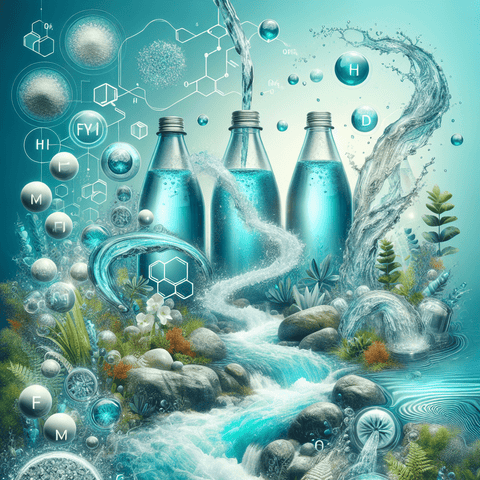
Magnesium in water is a broad topic that sits at the intersection of water chemistry, everyday water quality, and mineral nutrition. It refers to dissolved magnesium ions that are naturally present in many water sources, from groundwater and mineral springs to some municipal supplies. Because magnesium is one of the minerals that contribute to water hardness, its presence can affect taste, scaling, soap performance, and the general mineral character of tap water. This page provides a high-level map of the topic, covering where magnesium in water comes from, how it behaves, why it matters for water quality, and what to consider if you want to measure or manage it. More specific questions about magnesium forms, dosage, or supplement use are better suited to dedicated articles and category pages linked below.
What Is Magnesium in Water?
In simple terms, magnesium in water is the amount of magnesium that has dissolved into a water source as the water travels through rocks, soil, and sediment. It is usually present as the magnesium ion (Mg2+), and it is often accompanied by calcium, bicarbonate, and other dissolved minerals. Together, calcium and magnesium are the two main contributors to water hardness. This means that magnesium in water is not a single substance added to water; rather, it is a natural part of the mineral profile that water picks up from its environment.
The concentration of magnesium in water varies widely. Rainwater and surface water tend to have lower levels, while groundwater and mineral water can have higher levels depending on the local geology. For readers, the practical takeaway is that magnesium in water is normal and common, and its effects are usually discussed in terms of water quality rather than as a primary source of magnesium for the body. Water can contribute some magnesium to overall intake, but food is generally the main dietary source.
How Magnesium Enters Water and How It Behaves
Magnesium enters water mainly through natural processes. As water moves through magnesium-containing minerals such as dolomite, magnesite, and certain clays, small amounts of magnesium dissolve into the water. This is why groundwater often has higher magnesium levels than surface water: it has more contact time with mineral-rich rock. Human activities and water treatment can also influence levels, but the dominant factor is usually geology.
Once dissolved, magnesium remains in ionic form and does not react violently with water under normal conditions. It contributes to hardness and can participate in scale formation when water is heated or when pH and alkalinity conditions favor precipitation. This behavior is why magnesium in water is often discussed alongside calcium and bicarbonate. It also explains why simple carbon filters do not remove magnesium; reducing magnesium levels typically requires ion exchange, reverse osmosis, distillation, or similar treatment methods.
Common Sources of Magnesium in Drinking Water
Different water sources tend to have different magnesium profiles. The list below gives a broad overview rather than exact numbers, since levels vary by location and over time.
- Groundwater and wells: often higher in magnesium because of prolonged contact with rocks and soil.
- Mineral springs and bottled mineral water: can contain notable magnesium levels, depending on the source.
- Surface water (rivers, lakes, reservoirs): generally lower in magnesium than groundwater.
- Municipal tap water: varies widely; some supplies are soft and low in magnesium, while others are harder and contain more.
- Seawater: contains magnesium but is not a typical drinking water source due to its high salinity.
Why Magnesium in Water Matters for Water Quality
For most people, magnesium in water is primarily a water quality issue rather than a nutritional one. The main practical effects are hardness-related: mineral buildup on fixtures, kettles, and appliances; reduced lather from soaps and detergents; and sometimes a noticeable mineral taste. These effects depend on concentration and on the balance of other minerals present, especially calcium.
Taste is subjective. Some people describe higher-magnesium water as having a mineral or slightly bitter note, while lower levels may be barely noticeable. The overall taste is also influenced by pH, alkalinity, and the presence of other dissolved constituents. If you are concerned about magnesium in your water, the most reliable approach is to check your local water quality report or use a certified laboratory test. This gives you a factual starting point before considering any treatment.
Health Context and General Considerations
Magnesium is an essential mineral involved in many normal body functions, and drinking water can contribute a small amount to overall intake. However, water is generally not the main dietary source of magnesium; food and, in some cases, supplements play a larger role. This page does not provide medical advice, and individual needs vary. If you have specific health concerns or questions about magnesium intake, it is best to consult a qualified healthcare professional.
For general educational context on magnesium and related nutrients, you can explore our magnesium supplement guide. Information about mineral supplements more broadly is available in our mineral supplements category. These pages are intended for general information and do not replace personalized advice.
Measuring, Managing, and Filtering Magnesium in Water
If you want to know how much magnesium is in your water, start with your local water quality report. Many municipal suppliers publish this information annually. If you use a private well or want more precise data, a certified laboratory test can measure magnesium and other minerals. Once you have that information, you can decide whether any treatment is needed based on your preferences for taste, scaling, and appliance care.
Several treatment options can reduce magnesium in water, though each has trade-offs. Ion-exchange water softeners replace calcium and magnesium with sodium or potassium. Reverse osmosis and distillation remove a broad range of dissolved minerals, including magnesium. Targeted cartridge filters may address specific concerns but are not typically designed to remove all magnesium. If you use a filter or softener, follow the manufacturer's maintenance schedule, and look for certification such as NSF/ANSI standards where applicable.
- Check your water quality report or test your water to understand baseline magnesium levels.
- Decide what matters most to you: taste, scaling, soap performance, or mineral content.
- Choose a treatment method that matches your goals, and maintain it properly.
- Re-test or reassess after treatment if you notice changes in water quality or appliance performance.
Exploring the Topic Further
Magnesium in water connects to several broader themes, including water hardness, mineral nutrition, and home water treatment. This tag page is designed as a starting point rather than an exhaustive guide. More specific questions—such as how magnesium in water compares with magnesium in food, or how different filtration systems affect mineral content—are covered in individual articles associated with this tag. For general information on magnesium as a nutrient and supplement ingredient, you can also visit our magnesium benefits and support category. Always seek professional guidance for personal health or water treatment decisions.