Magnesium is an essential mineral that plays a role in over 300 enzymatic reactions in the body, influencing everything from energy production and muscle function to bone health, heart rhythm, and sleep regulation. Despite its importance, many people do not get enough from their diets alone. This guide provides a comprehensive overview of magnesium-rich foods, explains why this mineral matters, and offers practical advice for improving your intake through diet and, when necessary, supplementation.
Whether you are looking to address fatigue, support muscle recovery, improve sleep quality, or simply maintain a balanced diet, this page will help you understand the different dimensions of magnesium nutrition. You'll find a detailed list of food sources, information on absorption, and guidance on how to assess whether dietary changes or supplements are right for you.
What is Magnesium and Why Does It Matter?
Magnesium is a mineral found throughout your body, with roughly half stored in your bones and the rest in tissues and organs. It acts as a cofactor, meaning it is necessary for enzymes to perform their functions. This includes creating cellular energy in the form of ATP, synthesizing proteins, and regulating the nervous system.
The Role of Magnesium in the Body
This mineral is involved in multiple critical processes. It contributes to normal muscle contraction and relaxation, supports the transmission of nerve signals, and is a structural component of bone. It also helps maintain a steady heartbeat by regulating the electrical activity of cardiac cells.
Magnesium’s influence on energy and sleep is particularly notable. It is required for the production of ATP, the body's primary energy currency. It also helps regulate neurotransmitters like GABA, which promotes relaxation and may facilitate better sleep quality.
Understanding Magnesium Status and Daily Needs
Magnesium status refers to the total amount of this mineral in your body, though it is difficult to measure precisely through standard tests. The Recommended Dietary Allowance (RDA) for adults is generally between 310 and 420 mg per day, depending on age, sex, and life stage. Your individual requirement can be influenced by factors such as physical activity, stress levels, and certain health conditions.
Top Magnesium-Rich Foods to Include in Your Diet
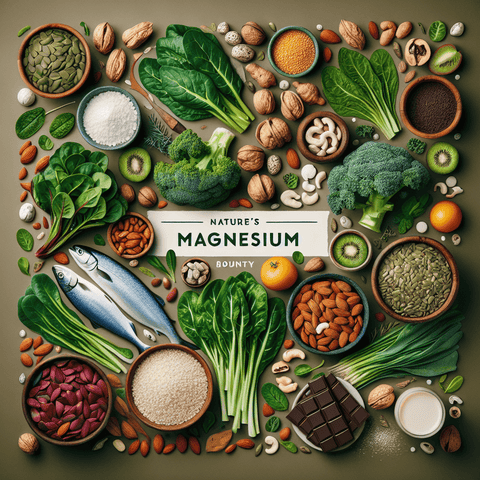
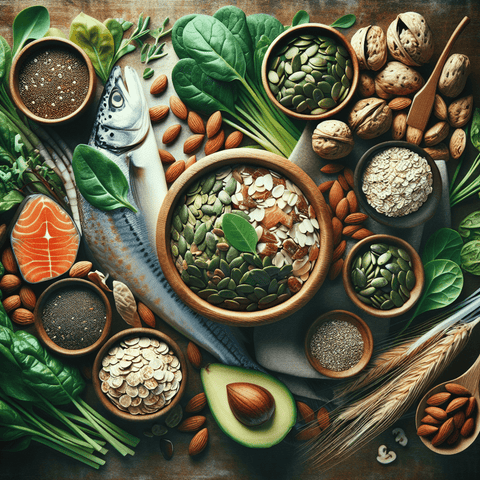
The best way to increase your magnesium intake is through a varied diet rich in whole foods. Many delicious and widely available options can help you reach your daily target. Below is a list of the most concentrated sources, along with practical tips for incorporating them into your meals.
When planning your meals, consider adding these foods regularly:
- Leafy Greens: Spinach, Swiss chard, and kale are excellent sources. A single cup of cooked spinach provides around 157 mg.
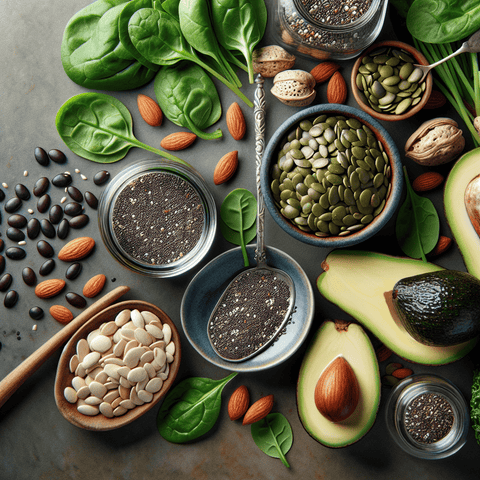
- Seeds: Pumpkin seeds are one of the most concentrated sources, offering about 150 mg per ounce. Chia and flax seeds are also good choices.
- Nuts: Almonds, cashews, and peanuts provide a convenient boost. A one-ounce serving of dry-roasted almonds contains about 80 mg.
- Legumes: Black beans, chickpeas, lentils, and edamame are magnesium-rich and versatile. A cup of cooked black beans offers around 120 mg.
- Whole Grains: Quinoa, brown rice, oats, and buckwheat retain more magnesium than their refined counterparts. A cup of cooked quinoa provides about 118 mg.
- Fatty Fish: Salmon, mackerel, and halibut contribute both magnesium and heart-healthy omega-3 fatty acids.
- Dark Chocolate: A square of dark chocolate (70% cocoa or higher) offers a surprising amount of magnesium—about 64 mg per ounce—along with antioxidants.
By incorporating a mix of these foods across your meals and snacks, you can significantly increase your daily magnesium intake and support your overall health.
Factors That Can Affect Magnesium Levels
Even if your diet includes magnesium-rich foods, various lifestyle and physiological factors can influence how much of this mineral your body absorbs and retains. Understanding these factors can help you take a more targeted approach to your health.
Dietary and Lifestyle Factors
Diets high in processed foods, refined grains, and added sugars tend to be low in magnesium. Additionally, excessive alcohol consumption and chronic stress may increase magnesium excretion from the body, making it harder to maintain healthy levels.
Absorption and Digestive Health
Certain digestive conditions, such as Crohn’s disease or celiac disease, can impair nutrient absorption, including magnesium. Additionally, compounds like phytates found in some plant foods can bind to magnesium and reduce its absorption, though soaking or cooking helps mitigate this effect.
Individual Needs and Life Stage
Magnesium requirements vary by age, sex, and life stage. Pregnancy, athletic training, and aging can all increase your need for this mineral. Older adults often experience reduced absorption efficiency, making dietary intake even more critical.
Signs of Low Magnesium and How to Assess Your Intake
A diet low in magnesium may lead to a range of symptoms. While these signs can also stem from other causes, they are worth considering if you suspect your intake is inadequate.
- Muscle cramps, spasms, or twitches
- Persistent fatigue or low energy
- Difficulty falling asleep or staying asleep
- Mood changes or increased irritability
It is important to note that these symptoms alone cannot confirm a magnesium deficiency. If you are experiencing persistent issues, it is best to consult a healthcare professional. They can evaluate your symptoms, review your diet, and recommend appropriate testing if needed.
Dietary Supplements: A Practical Consideration
While food should always be the primary source of magnesium, dietary supplements can help bridge the gap for individuals who find it challenging to meet their needs through diet alone. This includes people with restrictive diets, high physical demands, digestive issues, or increased requirements.
When to Consider a Supplement
Supplementation may be appropriate if you consistently fall short of the RDA, have a condition that impairs absorption, or experience higher demand due to intense training or chronic stress. However, it is essential to view supplements as a supportive measure, not a replacement for a healthy diet.
Understanding Different Forms of Magnesium
Not all magnesium supplements are absorbed equally. The form of magnesium influences its bioavailability and potential side effects. Common forms include magnesium citrate, which is well-absorbed; magnesium glycinate, which is often preferred for its calming effects and digestive tolerance; and magnesium oxide, which is less bioavailable. When comparing products, check the label for the amount of elemental magnesium per serving.
If you are considering a magnesium supplement, you may find our magnesium supplement collection useful for exploring quality options.
Safety, Dosage, and Interactions
Magnesium supplements are safe for most people at appropriate doses. However, high doses can cause digestive discomfort, including diarrhea and stomach cramps. The tolerable upper intake level for supplemental magnesium is generally 350 mg per day for adults. It is also important to be aware that magnesium can interact with certain medications, such as antibiotics and bisphosphonates. Always consult with a healthcare provider before starting a new supplement, especially if you have underlying health conditions or are taking medication.
Exploring Related Nutritional Topics
Magnesium works alongside other essential minerals and vitamins to maintain health. Understanding how different nutrients interact can help you build a more complete nutritional strategy.
For a broader perspective on other essential minerals, you can refer to our complete mineral supplements guide. Additionally, to ensure you are covering all your foundational nutrient needs, our multivitamin guide can be a valuable resource.
Key Takeaways for a Magnesium-Rich Diet
Improving your magnesium intake starts with simple, consistent dietary choices. Prioritize whole foods like leafy greens, nuts, seeds, legumes, and whole grains. These provide magnesium along with a host of other beneficial nutrients, making them superior to supplements alone.
Here are the central points to remember:
- Magnesium is crucial for energy, muscle function, sleep, and bone health.
- A varied diet with whole foods is the most effective way to meet your magnesium needs.
- Pumpkin seeds, spinach, almonds, and black beans are among the most concentrated sources.
- Low magnesium may contribute to fatigue, cramps, or sleep difficulties, but symptoms alone don't confirm a deficiency.
- Supplements can be a useful secondary support, particularly for people with higher needs or absorption issues.
- Choose a supplement form with good bioavailability and stay within the 350 mg supplemental limit for adults.
- Consult a healthcare professional for personalized advice, especially if you have medical conditions or take medication.
By keeping these points in mind, you can make informed decisions that support your long-term wellbeing and build a balanced, nutrient-rich lifestyle.
Frequently Asked Questions
This section addresses broad questions about magnesium-rich foods and magnesium nutrition. The answers are designed to provide a high-level understanding of the topic and outline key factors to consider.
What one food is highest in magnesium?
Pumpkin seeds are among the most concentrated dietary sources, providing roughly 150 mg of magnesium per one-ounce serving. Other top sources include spinach, almonds, and black beans, but pumpkin seeds generally offer the highest amount per serving.
How can I raise my magnesium quickly?
To raise your magnesium levels efficiently, incorporate a variety of high-magnesium foods into your next meals. Snack on pumpkin seeds or almonds, add cooked spinach to a main dish, and include a serving of black beans or quinoa. If a significant deficiency is suspected, a healthcare professional may recommend a supplement with a bioavailable form like magnesium citrate or glycinate.
Is a banana a day enough magnesium?
No. A single banana provides about 32 mg of magnesium, which is only a small fraction (roughly 8-10%) of the daily recommended intake for adults. While bananas are a healthy food, you would need to consume a variety of other magnesium-rich foods throughout the day to meet your target.
What depletes magnesium the most?
Several factors can deplete magnesium levels. These include a diet high in processed foods, chronic stress, excessive alcohol consumption, certain medications (such as diuretics or proton pump inhibitors), and high amounts of sweating from intense exercise. Digestive conditions that impair absorption also contribute to lower magnesium status.