
A magnesium-rich fruit is a term used to describe fruits that contain measurable magnesium relative to other fruits. On this page, we explore what makes a fruit magnesium-rich and how those characteristics are identified. The idea is to offer a clear, neutral overview of the concept and its everyday relevance. You’ll find examples and practical ideas for recognizing magnesium-rich fruit in regular shopping and meals. Common examples are often cited as magnesium-rich fruit, including avocado, bananas, figs, kiwifruit, and guava. These items are highlighted in various guides for having notable magnesium content compared with many other fruits. Keep in mind that factors such as variety, ripeness, and processing (fresh, dried, or frozen) can influence the magnesium profile of a magnesium-rich fruit. Easy tips to add magnesium-rich fruit to your day include mixing them into familiar meals and snacks. For example, sliced avocado can be used on toast or in salads; mashed banana can blend into cereals or smoothies; chopped figs can top yogurt; kiwifruit can brighten fruit salads; and guava can be enjoyed on its own or with citrus. By combining these fruits with your regular foods, you can incorporate them in varied ways. When shopping for magnesium-rich fruit, you can look up magnesium content in nutrition databases or product labels to compare options. If you’re choosing forms like fresh, dried, or frozen, note that the presentation can affect how the mineral is represented. Storing and handling the fruit properly helps maintain its texture and flavor for use in recipes and meals that feature magnesium-rich fruit.
Magnesium-Rich Fruits: Discover the Best Natural Sources for Health

Which Fruits Contain Magnesium?Magnesium is a mineral that supports energy, muscle function, and bone health. Several fruits naturally contain magnesium, with dried figs, avocados, and dried apricots among the richest sources. Including these in your diet can help you meet your daily needs while also providing fiber, vitamins, and antioxidants.How Much Magnesium Do You Need From Fruit?Adults generally need about 300–400 mg of magnesium daily. A single serving of magnesium-rich fruit contributes meaningfully: a medium avocado provides about 58 mg, a banana about 32 mg, and a 100g serving of dried figs about 68 mg. While fruit alone may not cover all your needs, it's a valuable part of a balanced diet.How to Add More Magnesium-Rich Fruit to Your DietSimple ways include adding avocado to salads or smoothies, snacking on dried figs or apricots, and mixing blackberries, kiwi, or dates into yogurt or oatmeal. Pairing these fruits with other magnesium sources like nuts and leafy greens helps you reach your target more easily.
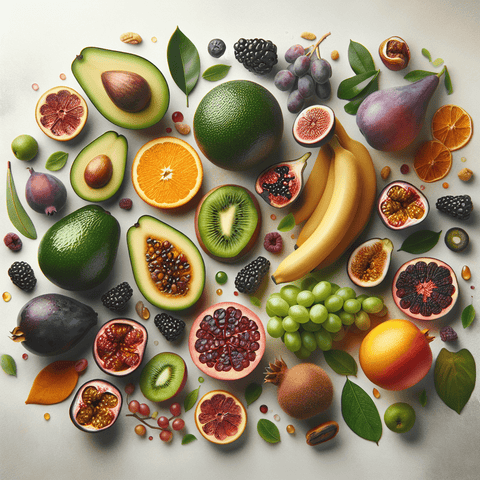
Discover the best magnesium fruits and learn how fruits with high magnesium levels can support muscle function, nerve health, energy production, bones, and hydration. This guide explains magnesium content in fruits, highlighting prickly pears, dried figs, dates, mulberries, avocados, passion fruit, bananas, berries, and kiwi. Use the magnesium fruit chart to compare amounts per 100 grams and choose natural magnesium sources for everyday meals. Smoothies, salads, snacks, and fruit combinations make it easy to incorporate magnesium in your diet. While magnesium-rich fruit can complement a balanced nutrition plan and serve as a magnesium supplement alternative for many people, diagnosed deficiencies may require professional guidance.

Discover the best sources of magnesium fruit and learn how magnesium content in fruits varies by serving size, freshness, and preparation. Avocado is a versatile magnesium-rich fruit, providing about 58 mg per whole fruit and supporting muscle, nerve, energy, and heart health. For high magnesium fruit options, dried figs, dates, raisins, bananas, guava, and papaya offer valuable alternatives, with dried figs leading in magnesium levels per 100g. This guide compares magnesium levels in different fruits, explains how drying concentrates minerals, and shares practical ideas for smoothies, oatmeal, salads, and snacks. Combine fruit with leafy greens, nuts, seeds, legumes, and other natural magnesium sources in produce to boost magnesium intake naturally.