
Magnesium-rich vegetables sit at the center of this guide, inviting you to explore a selection of greens and other garden staples. By focusing on magnesium-rich vegetables, you can identify leafy and non-leafy options that carry meaningful magnesium content per serving. This page highlights a curated set of plant picks and practical notes to help you recognize and enjoy them in everyday cooking. Examples include leafy greens such as spinach and Swiss chard, along with kale and collard greens. Beet greens, mustard greens, and turnip greens also fall into the category, offering different textures and flavors. In addition to greens, you’ll find other vegetables like broccoli and green peas that contribute to the theme of magnesium-rich vegetables. The diversity of colors, textures, and seasonal availability makes it easy to include these vegetables across meals. Approaching magnesium-rich vegetables is simple: look for bright color, firm stems, and fresh aroma. Lightly steaming, quick sautéing, or adding them to soups, stews, and grain bowls are common ways to work them into dishes. Pairing with lemon, garlic, or herbs can brighten flavors, while gentle cooking helps retain texture. This section emphasizes practical, everyday uses of magnesium-rich vegetables in home cooking. Explore these plant picks and discover new ways to weave magnesium-rich vegetables into your meals. Whether you’re planning weekday lunches or weekend menus, this collection offers options to try and ideas for how to prepare them. Start exploring magnesium-rich vegetables today and see what you can create with these versatile greens and plants.
Magnesium-Rich Vegetables: Boost Your Health with These Plant Picks
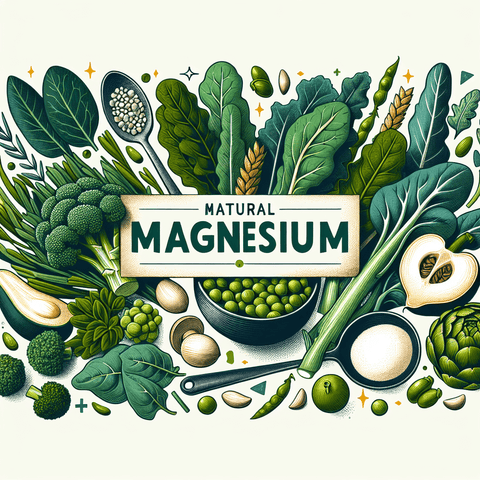
Which Vegetables Are Highest in Magnesium?When it comes to dietary magnesium vegetables, leafy greens lead the way. Spinach provides about 157 mg of magnesium per cooked cup, while Swiss chard offers around 150 mg. Other vegetables like artichokes (77 mg per medium artichoke), green peas (62 mg per cup), okra (57 mg per cup), and broccoli (33 mg per cup) also contribute meaningful amounts. These vegetables are not only rich in magnesium but also provide fiber, vitamins, and antioxidants that support overall health.How to Boost Magnesium Absorption from VegetablesTo maximize the magnesium you get from vegetables, pay attention to preparation. Steaming leafy greens like spinach and Swiss chard can help reduce oxalates that may interfere with magnesium absorption. Avoid long boiling, which can leach minerals into the cooking water. Pairing magnesium-rich vegetables with other nutrient-dense foods, such as legumes or seeds, can further enhance your intake and support a balanced diet.Practical Tips for Adding More Magnesium-Rich VegetablesMeeting your daily magnesium needs through vegetables is achievable with simple meal planning. Aim for a variety of magnesium-packed vegetables each day. For example, a smoothie with spinach at breakfast, a quinoa salad with kale at lunch, and a stir-fry with broccoli and Swiss chard at dinner can easily contribute over 400 mg of magnesium. For individuals with higher needs or dietary restrictions, consulting a healthcare professional about supplements may be beneficial.