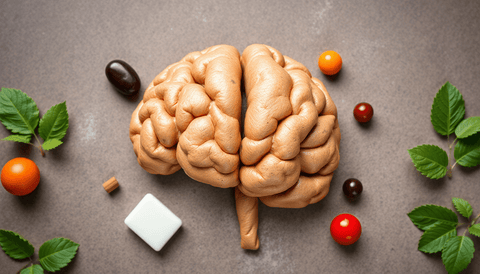
Memory is a complex cognitive function that involves the encoding, storage, and retrieval of information. As interest in brain health grows, many people seek ways to support memory and focus through nutrition and supplementation. This page provides an overview of memory enhancement vitamins—what they are, how they are studied, and the broader lifestyle context that influences cognitive well-being.
What Are Memory Enhancement Vitamins?
Memory enhancement vitamins generally refer to vitamins, minerals, and other nutrients that are investigated for their potential role in supporting cognitive functions such as memory, focus, and information processing. These nutrients may be obtained from dietary sources or through supplements. Common examples include B-vitamins, vitamin D, omega-3 fatty acids, and certain antioxidants. It is important to distinguish between nutrients that play a structural or functional role in the brain and those that are merely marketed for cognitive benefits.
The scientific community studies these nutrients through various research designs, including randomized controlled trials, systematic reviews, and meta-analyses. These studies help determine whether a nutrient has a measurable effect on cognitive function in specific populations. However, results can vary widely due to factors such as study duration, dosage, participant characteristics, and the specific cognitive tests used.
Key Nutrients Commonly Associated with Memory Support
Several vitamins and nutrients are frequently discussed in the context of memory and brain health. The following list introduces some of the most commonly mentioned ones, along with their general role in the body:
- B-Vitamins: This group includes folate, vitamin B6, and vitamin B12. These vitamins are involved in homocysteine metabolism and the production of neurotransmitters, which are chemicals that transmit signals in the brain.
- Vitamin D: Known for its role in bone health, vitamin D also has receptors throughout the brain. Some observational studies have explored its potential link to cognitive performance.
- Omega-3 Fatty Acids: Particularly DHA (docosahexaenoic acid), which is a major structural component of the brain. These fatty acids are often studied for their potential anti-inflammatory properties and their role in neuronal membrane health.
- Antioxidants: Nutrients such as vitamin C, vitamin E, and certain flavonoids help protect cells from oxidative stress. Some research has investigated whether reducing oxidative stress might support cognitive health over the long term.
For a deeper understanding of specific nutrient groups, you can explore our vitamin B guide or our omega-3 supplements overview.
How Are These Vitamins Studied?
Understanding how scientific evidence is generated is crucial for evaluating claims about memory enhancement vitamins. Researchers use several study designs, each with its own strengths and limitations:
- Randomized Controlled Trials (RCTs): Participants are randomly assigned to receive either the nutrient or a placebo. This design helps minimize bias and establish cause-and-effect relationships.
- Systematic Reviews: These are comprehensive analyses of multiple studies on a specific question. They aggregate data to provide a higher level of evidence.
- Meta-Analyses: A statistical technique that combines results from multiple studies to identify overall trends and effect sizes.
When interpreting study results, it is important to consider factors such as sample size, participant age and health status, dosage levels, and the duration of the intervention. Additionally, regulatory frameworks vary across jurisdictions, meaning that supplement labeling and approved health claims may differ from country to country. Always check the source of information and consider whether it comes from peer-reviewed research or commercial marketing.
Lifestyle Factors That Support Memory and Focus
While supplements can play a role in addressing nutritional gaps, cognitive health is influenced by a wide range of lifestyle factors. These factors are often discussed alongside memory enhancement vitamins because they contribute to overall brain function:
- Balanced Nutrition: A diet rich in fruits, vegetables, whole grains, lean proteins, and healthy fats provides the array of nutrients the brain needs to function optimally.
- Regular Physical Activity: Exercise has been shown to improve blood flow to the brain and may stimulate the release of growth factors that support neuronal health.
- Adequate Sleep: Sleep is essential for memory consolidation—the process by which short-term memories are converted into long-term ones.
- Mental Engagement: Challenging the brain through learning new skills, reading, puzzles, or social interaction may help build cognitive reserve.
- Stress Management: Chronic stress can negatively affect memory and concentration. Techniques such as mindfulness, meditation, or deep breathing may help mitigate these effects.
Evaluating Memory Enhancement Supplements
The market for memory enhancement supplements is vast, making it essential for consumers to approach products with a critical eye. Here are some general considerations when evaluating any supplement:
- Check for Third-Party Testing: Look for supplements that have been independently tested for purity and potency by organizations such as USP, NSF, or ConsumerLab.
- Review the Ingredient List: Understand what each ingredient is and whether there is scientific evidence supporting its use for cognitive function.
- Consult a Healthcare Provider: Before starting any supplement, especially if you have underlying health conditions or are taking medications, discuss it with a qualified healthcare professional.
- Be Cautious of Exaggerated Claims: Products that promise dramatic improvements or cures should be viewed with skepticism. Legitimate supplements do not claim to treat, cure, or prevent diseases.
For additional context on supplement quality and safety, exploring our multivitamins guide may provide useful information about ingredients and usage considerations.
The Bottom Line on Memory Enhancement Vitamins
Memory enhancement vitamins represent one piece of the larger puzzle of cognitive health. While certain nutrients are essential for normal brain function, the scientific evidence for their ability to enhance memory beyond addressing deficiencies is mixed and context-dependent. A holistic approach that combines a nutritious diet, regular exercise, adequate sleep, mental stimulation, and stress management is likely to be more effective than relying on supplements alone.
This page provides a broad overview of the topic. For more specific information about particular vitamins, scientific studies, or individual products, explore the related blog articles and guides available on our site. Always remember that supplements are not a substitute for a healthy lifestyle or medical advice.