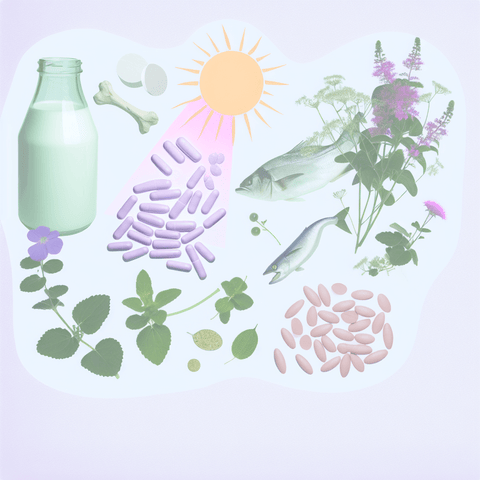
Menstrual support vitamins offer a way to address common issues like cramps and fatigue during your cycle. This guide provides a broad overview of the topic, focusing on the specific nutrients that are often discussed for their potential roles in menstrual health. Rather than diving into every single question, this page will map out the main concepts, explain why these nutrients matter, and help you understand how to consider them as part of your wellness routine. You will find clear, high-level information to help you make more informed decisions about your nutritional choices.
What Are Menstrual Support Vitamins?
Menstrual support vitamins are a category of nutrients specifically intended to address the body's changing needs throughout the menstrual cycle. They differ from a general daily multivitamin by focusing on nutrients that play a direct role in processes related to cycle symptoms, such as muscle function, energy production, and hormone balance. Understanding this distinction is the first step in evaluating whether targeted support might be beneficial for you.
These nutrients work by supporting fundamental biological functions. For example, some are important for muscle relaxation, which can influence the severity of cramps. Others are critical for oxygen transport and cellular energy, which can help combat fatigue. While individual responses vary, the goal is to provide the body with the building blocks it may need during a time of increased demand.
Key Nutrients for Menstrual Support
Several vitamins, minerals, and fatty acids are central to the discussion of menstrual well-being. They are often categorized by the specific supportive role they may play in the body. It is important to remember that a balanced diet is the primary way to obtain these nutrients, with supplements serving as a potential addition when needs are not met through food alone.
Vitamins: B-Complex and Vitamin D
B vitamins, particularly vitamin B6, and vitamin D are often discussed in relation to menstrual health. B vitamins are essential for energy metabolism and the production of neurotransmitters that can influence mood. Vitamin D is studied for its role in mood regulation and overall energy levels. Many individuals may have insufficient levels of vitamin D, especially during winter months, which could be a relevant consideration.
Minerals: Magnesium, Iron, Calcium, and Zinc
Minerals play a diverse range of structural and functional roles. Magnesium is vital for muscle relaxation, which may help with cramps. Iron is crucial for forming hemoglobin and preventing the fatigue associated with low iron levels. Calcium is involved in muscle contraction and may help with a range of symptoms. Zinc is important for immune function and inflammatory response.
Essential Fatty Acids: Omega-3
Omega-3 fatty acids are well-known for their role in supporting the body's natural inflammatory balance. Because inflammation is a key factor in menstrual discomfort, maintaining adequate levels of omega-3s is often recommended as part of a broader support strategy. These can be obtained through diet, such as from fatty fish, or through supplementation.
How Nutrients Relate to Cramps and Energy
Cramps and fatigue, while common, are complex symptoms with various contributing factors. Prostaglandins, which are hormone-like substances, can cause the uterus to contract, leading to pain. Fatigue can result from blood loss, hormonal shifts, or poor sleep. The nutrients discussed here may influence these processes in several ways.
For instance, magnesium supports muscle relaxation, potentially countering the excessive contractions that cause pain. Iron supports oxygen delivery, addressing one potential cause of low energy. B vitamins are integral to the processes that convert food into usable energy at the cellular level. Understanding these connections helps clarify why a nutrient-focused approach is considered for managing these symptoms.
Considering Supplementation: A Practical Approach
Before incorporating any supplement, it is useful to establish a clearly defined approach. This means moving beyond the idea of a one-size-fits-all solution and instead evaluating your own situation. Consider the factors that might be unique to you and how they could influence your nutritional needs.
Factors That Influence Nutritional Needs
Individual requirements for nutrients are not static. They can be shaped by a variety of elements, including:
- Dietary patterns and the ability to absorb nutrients.
- Genetic predispositions that affect metabolism.
- Lifestyle factors, including stress, sleep, and exercise.
- Menstrual cycle characteristics, such as flow volume and regularity.
Recognizing these variables is crucial because a supplement that might be helpful for one person could be unnecessary or even inappropriate for another. This is why a personalized and thoughtful approach is important.
A Framework for Making Decisions
If you're considering supplements, a structured approach can be helpful. Start by identifying your primary symptoms. Next, learn how specific nutrients align with those symptoms. Then, consider your broader dietary context to identify potential gaps. Finally, if you decide to try a supplement, do so thoughtfully and monitor your response.
Safety, Quality, and Responsible Use
Responsible use of supplements is essential for safety and effectiveness. It involves being attentive to quality, understanding potential risks, and knowing when to seek professional advice. Supplements can have interactions with medications and are not without their own set of considerations.
Key Safety Considerations
- Always read and follow label instructions and recommended dosages.
- Be aware of potential interactions with other supplements or medications you may be taking.
- Consult a healthcare provider before starting if you are pregnant, nursing, or have a pre-existing condition.
- Be wary of 'megadoses' and stick to amounts recommended by health authorities or your doctor.
How to Choose a High-Quality Product
The supplement market is vast, and quality can vary significantly. To make a more informed choice, look for products that are manufactured in facilities that follow Good Manufacturing Practices (GMP). You can also look for products that have been independently tested by a third-party organization for purity and label accuracy. Transparency in labeling is crucial; a good product will clearly list all ingredients and their amounts.
On Topvitamine.com, you can browse products by ingredient to find specific nutrient support. For instance, you might explore categories for magnesium benefits, vitamin D, or DHA and EPA omega-3 supplements when making your decisions.
What Supplements Can and Cannot Do
It is important to maintain realistic expectations when using any supplement. They are a tool intended to support health, not a magic solution. Nutrient support may help in managing specific symptoms, but it addresses only one piece of the puzzle. It is not a substitute for addressing other foundational health elements.
The effectiveness of any supplement can be highly individual and influenced by a range of factors, from your unique biology to your overall lifestyle. Therefore, the goal should be to integrate supplementation into a broader strategy for well-being. This includes focusing on a nutrient-dense diet, managing stress, prioritizing sleep, and engaging in appropriate physical activity. Supplements should complement, not replace, these healthy habits.
Exploring Specific Nutrient Options
The following nutrients are frequently discussed for their specific roles. This is a high-level look at how they might fit into a menstrual support strategy. The list is not exhaustive, but it covers the most commonly mentioned options.
- Magnesium: Often taken for its role in muscle relaxation, which may help with cramping. Common supplement forms include citrate and glycinate.
- Omega-3 Fatty Acids: Valued for supporting a healthy inflammatory response, which could reduce discomfort.
- Iron: Crucial for preventing iron-deficiency fatigue, particularly for those with heavier menstrual flow. It is vital not to supplement with iron without knowing your status.
- Vitamin D: Important for overall health, including mood and immune function, and often deficient in many populations.
- B-Complex Vitamins: Support energy metabolism and the nervous system, which may help with fatigue and mood imbalances.
- Calcium: A key mineral for muscle function and may play a role in reducing a range of PMS symptoms.
Your Next Steps and How to Begin
Navigating menstrual support can feel complex, but breaking it down into logical steps simplifies the process. Begin by building a foundation of knowledge about your own body and its patterns. Track your symptoms over a few cycles to identify what challenges you most. This data can provide valuable insights when you consult with a healthcare provider or when you evaluate your own dietary choices.
When you are ready to explore supplements, use the filters on Topvitamine.com to look for specific ingredients like magnesium or iron. Compare product labels for transparency and consider third-party testing. The goal is to make a confident, informed purchasing decision that aligns with your personal health goals. Remember, this is a personal journey, and what works for one person may not work for another.
Always consult with a qualified healthcare professional before starting any new supplement regimen, especially if you are managing a health condition or taking medications. They can provide personalized guidance based on your complete health picture.
Frequently Asked Questions
This section addresses common questions related to the broad topic of menstrual support vitamins and provides concise, educational answers.
What is the best supplement to help with period cramps?
There is no single 'best' supplement for everyone, as individual responses vary. However, magnesium and omega-3 fatty acids are widely researched for their potential to support muscle relaxation and reduce inflammation, both of which can influence cramp severity. It is best to discuss your specific needs with a healthcare provider.
What vitamin deficiency causes bad period cramps?
There isn't one specific vitamin deficiency that directly causes cramps, but low levels of certain nutrients can contribute. Magnesium and vitamin D are two examples commonly noted for their role in muscle and nerve function. A deficiency in these might be a contributing factor for some, but it's not a universal cause.
What helps period cramps go away naturally?
Besides supplementation, many find relief from applying heat to the lower abdomen, taking a warm bath, engaging in light exercise or yoga, staying well-hydrated, and ensuring adequate rest. Reducing intake of salt, caffeine, and alcohol in the days before your period may also help in some cases.
What vitamins can help relieve period pain?
Vitamins that are often discussed for pain relief include vitamin D, which may influence pain sensitivity, and B vitamins, which support nerve health. However, vitamins are only one part of a broader strategy. It is essential to consider minerals like magnesium and calcium as well and to prioritize a holistic approach.
Key Takeaways
- Menstrual support vitamins target specific bodily processes, not just general health, making them distinct from standard multivitamins.
- Key nutrients include magnesium, iron, vitamin D, B vitamins, calcium, zinc, and omega-3s.
- Nutrients can support muscle relaxation, energy production, and the body's inflammatory response.
- Individual needs vary widely based on diet, genetics, and lifestyle.
- Supplements are a support tool, not a cure, and work best within a holistic health strategy.
- Prioritize quality by looking for GMP compliance, third-party testing, and transparent labels.
- Consult a healthcare professional before starting any new supplement regimen.