
Microbial balance refers to the dynamic equilibrium among the diverse microorganisms living in the gut. It is not a single fixed target but a shifting ecosystem shaped by the host and the environment. When microbial balance shifts, the composition and the activities of microbial communities can move in different directions over time. Viewing microbial balance this way emphasizes the interplay between diversity, stability, and function within the gut microbiome, rather than chasing a one-size-fits-all snapshot. Science-backed insights about microbial balance come from methods like sequencing and longitudinal studies that track how communities change across life stages and in response to different conditions. Researchers look for patterns and trajectories in the gut ecosystem, recognizing that individual variation matters as much as common trends. This framing helps researchers describe how the gut microbiome interacts with broader biological processes, inviting careful interpretation and a nuanced understanding of what constitutes a balanced state. Practical routines for exploring microbial balance focus on patterns and daily habits rather than single actions. Think in terms of consistent daily rhythms, sleep quality, stress management, and physical activity as part of a broader approach to observing how the gut ecosystem responds over time. When considering foods, the emphasis stays on overall patterns and routine rather than prescribing specific items. The goal is to notice how different routines influence microbial balance and to use those observations to inform a thoughtful, individualized approach. Putting it all together, you can design an informed path that centers on learning about microbial balance, tracking changes, and consulting credible sources. This page offers science-informed context and non-prescriptive guidance to explore the concept of microbial balance with curiosity and care. Remember that this content is educational in nature and not a substitute for professional medical advice, and that each person’s gut ecosystem has its own unique balance.
Microbial Balance: The Ultimate Guide to a Healthier Gut

Probiotics and Digestive Support: What You Need to KnowProbiotics are live microorganisms that, when consumed in adequate amounts, can support a balanced gut microbiota. They are commonly found in fermented foods and dietary supplements, with strains such as Lactobacillus and Bifidobacterium being the most researched. Digestive support is one of the primary reasons people turn to probiotics, as they may help maintain regularity, reduce occasional bloating, and support the intestinal barrier. However, not all probiotics are the same; benefits are strain-specific, and the choice of organism, dose, and duration matters for achieving desired outcomes.How Probiotics Contribute to Gut Health and Overall Well-BeingProbiotics influence the gut microbiota by competing with potentially harmful organisms, producing beneficial compounds like short-chain fatty acids, and interacting with the immune system. These actions support digestion, immune function, and even skin health and mood through the gut-brain axis. While research is promising, results vary by individual, and probiotics are best used alongside a fiber-rich diet, adequate sleep, and stress management. For those seeking digestive support, incorporating probiotics as part of a broader wellness routine may help maintain a healthy gut ecosystem without overpromising outcomes.Choosing Probiotics Wisely for Your Health GoalsWhen selecting a probiotic, look for labels that specify the genus, species, and strain—such as Lactobacillus rhamnosus GG—rather than just the genus. Check the colony-forming units (CFUs) listed at the end of shelf life, and consider whether the product requires refrigeration. Start with a modest dose and observe your response over 2–4 weeks. For specific health conditions or if you have underlying medical issues, consult a healthcare professional before use. Probiotics are a supportive tool, not a cure, and they work best when combined with healthy lifestyle habits.
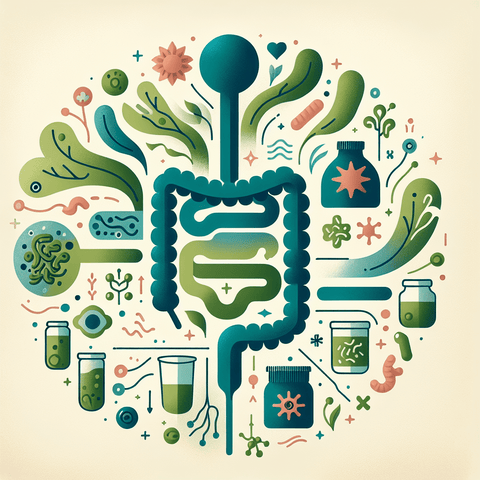
Probiotics are live beneficial microorganisms that support gut health, digestive support, and overall intestinal wellness. Strains such as Lactobacillus and Bifidobacterium may help relieve bloating, gas, diarrhea, and IBS symptoms while improving nutrient absorption and gut barrier function. Immune boosting probiotics can support normal immune responses and help maintain resilience during illness or antibiotic use. By competing with harmful microbes and working alongside prebiotic fiber, probiotics promote microbial balance and a diverse microbiome. Available as capsules, powders, tablets, and fermented foods, probiotic supplements should be selected by strain, viability, formulation, and individual health needs, with professional guidance when appropriate.