Microbiome Balance: Key Nutrients and Support Strategies


Understanding Microbiome Balance

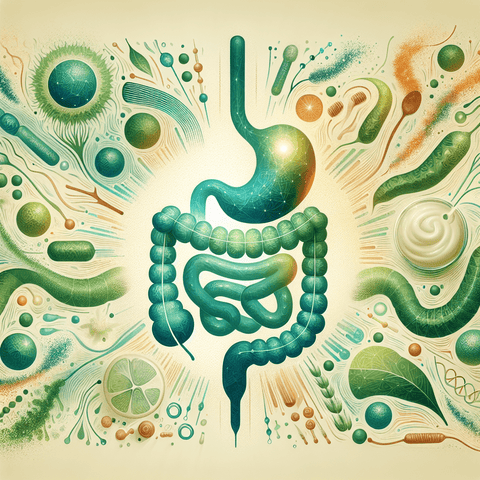
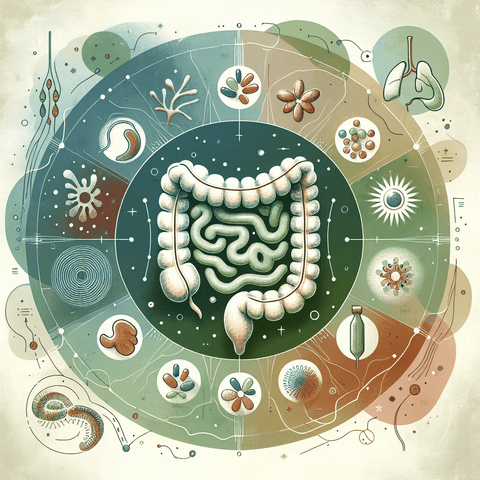
Microbiome balance refers to the healthy equilibrium of beneficial bacteria and other microorganisms in the digestive tract. This complex ecosystem, known as the gut microbiota, plays a foundational role in digestion, nutrient absorption, and immune system function. Supporting a balanced microbiome is a key focus for many people seeking overall wellness.

Key Nutrients and Support Strategies

Several dietary components and supplement categories are commonly associated with supporting a healthy gut environment. Probiotics are live beneficial bacteria that can help maintain the natural balance of the intestinal flora. Prebiotics act as food for these beneficial bacteria, helping them thrive. Together, they are often used to support digestive health and overall microbiome balance.

Beyond probiotics and prebiotics, other nutrients play supportive roles. Mineral supplements such as zinc and selenium contribute to normal immune system function, which is closely tied to gut health. Vitamin D is also recognized for its role in immune regulation, which may indirectly influence the gut environment. Additionally, omega-3 supplements are considered for their anti-inflammatory properties, which can be relevant for digestive comfort.

For those exploring targeted support, the probiotics and prebiotics supplements category offers a range of options designed to support digestive flora. As with any supplement, individual responses vary, and it is generally advisable to consider a balanced diet rich in fiber and fermented foods as the primary foundation for gut health.
How quickly do probiotics work? - Topvitamine
Oct 17, 2025
Probiotics support gut health by introducing beneficial bacteria that may improve digestion, immune function, and microbiome balance. Probiotic effects can begin within 3 to 5 days, while more noticeable digestive support for bloating, irregular bowel movements, constipation, or diarrhea often develops after 2 to 4 weeks of consistent use. Results depend on probiotic strains, dosage, formulation, diet, lifestyle, and existing microbiome health. Some strains may be detected in the gut within 3 to 14 days, but lasting changes typically require ongoing supplementation, fiber-rich prebiotic foods, and healthy habits. Strain specificity and quality are essential for achieving targeted benefits.
What exactly does a probiotic do? - Topvitamine
Oct 17, 2025
Probiotics are live beneficial bacteria that support gut health, digestion, and overall intestinal wellness. By helping restore microbiome balance, probiotic strains such as Lactobacillus and Bifidobacterium may reduce bloating, gas, constipation, and antibiotic-associated digestive discomfort while supporting nutrient absorption and immune function. Their effects include competing with harmful microbes, producing antimicrobial compounds, strengthening the gut barrier, and contributing to healthy short-chain fatty acid production. Choosing a quality probiotic supplement with clinically studied strains, transparent labeling, and suitable CFU levels is important. Pairing probiotics with fiber, prebiotics, hydration, sleep, and stress management can further promote lasting digestive support.
Is it good to take a probiotic daily? - Topvitamine
Oct 14, 2025
Daily probiotics can support gut health by helping maintain microbiome balance, improve digestion, and promote regular bowel function. Their digestive support may benefit issues such as bloating, constipation, diarrhea, lactose intolerance, and antibiotic-associated digestive changes, although results depend on the specific probiotic strains and health condition. Probiotics may also provide immune system benefits by strengthening the intestinal barrier and influencing immune responses. Common options include Lactobacillus, Bifidobacterium, and Saccharomyces strains, with supplements varying in potency and formulation. Probiotics are generally safe for healthy adults, but people with weakened immune systems or serious health conditions should consult a healthcare professional before daily use.
What do doctors say about probiotics? - Topvitamine
Oct 13, 2025
Probiotics are live beneficial bacteria that may support gut health, digestive function, and immune system boost when used appropriately. Medical experts recognize strain-specific benefits for issues such as antibiotic-associated diarrhea, IBS symptoms, lactose digestion, bowel regularity, and microbiome disruption, while cautioning that results vary by strain, dosage, storage, and individual health status. Probiotics can contribute to microbiome balance, particularly alongside fiber-rich foods, fermented foods, healthy lifestyle habits, and targeted nutritional supplements. Most people tolerate daily probiotics well, although gas or bloating may occur initially. Individuals who are immunocompromised or seriously ill should seek medical advice before use.
Unlocking the Secrets: How Vitamin B12 Supports Gut Health and Digestion - Topvitamine
Sep 09, 2025
Vitamin B12 and Gut Health: What You Need to KnowVitamin B12 is essential for many bodily functions, including the health of your digestive system. Emerging research highlights a strong connection between B12 status and the gut microbiome, the community of bacteria living in your intestines. Adequate B12 levels help maintain a balanced microbiome, which supports digestion, nutrient absorption, and the integrity of the intestinal barrier. When B12 is lacking, you may experience digestive symptoms such as constipation, diarrhea, or loss of appetite. Understanding how B12 works in your gut can help you make informed decisions about supplementation.How B12 Absorption Works and Why It MattersThe process of absorbing vitamin B12 is complex and requires a healthy digestive tract. After you consume B12 from food or supplements, it must bind with a protein called intrinsic factor in your stomach. The bound complex is then absorbed in the small intestine. Conditions like Crohn's disease, celiac disease, or atrophic gastritis can interfere with this process, as can long-term use of certain medications, including metformin and proton pump inhibitors. For people with absorption challenges, choosing the right supplement form can make a significant difference.Choosing the Best B12 Supplement for Your GutIf you have gut issues or poor absorption, not all B12 supplements are equally effective. Sublingual forms, such as drops or lozenges, are absorbed through the mucous membranes in the mouth, bypassing the stomach. Methylcobalamin is a bioactive form that some people find easier to utilize. In cases of severe deficiency, injections administered by a healthcare professional may be necessary. Always consult a doctor to determine the appropriate form and dosage for your individual situation.