
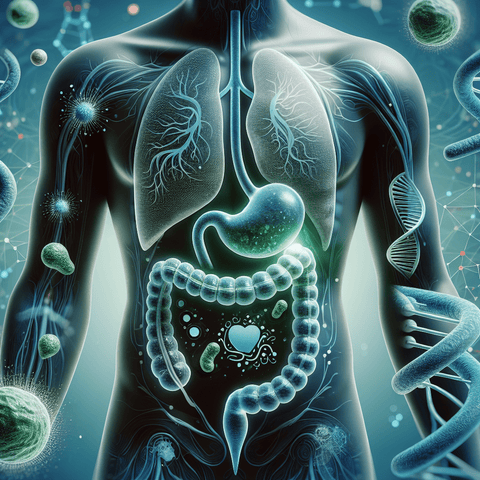
Microbiota balance refers to the orchestrated state of the diverse microbial communities that inhabit the gut. When this microbiota balance is maintained, the gut ecosystem supports a range of functions related to digestion and signaling with the immune system. Scientists describe microbiota balance not as a single metric but as a dynamic equilibrium shaped by microbial interactions and host context. Research on microbiota balance emphasizes its role in how the gut communicates with other body systems and how it adapts to changing conditions. Science-backed approaches to studying microbiota balance rely on methods such as metagenomic profiling and diversity analyses to observe stability and shifts over time. These tools help researchers characterize patterns that describe microbiota balance, including resilience after disturbances. Discussions around microbiota balance in the literature focus on ecosystem health, recovery trajectories, and how different conditions may alter the balance. For readers, this means there is accumulating evidence about how microbiota balance is linked to gut function and host responses, without oversimplifying complex interactions. While the connections between microbiota balance, digestion, and immune responses are the subject of extensive study, conclusions are always drawn with appropriate caution. Studies highlight that microbiota balance can be influenced by a range of factors in the environment and life course, and by exposures that interact with the gut ecosystem. The ongoing dialogue in science about microbiota balance emphasizes nuance, variability among individuals, and the need for rigorous interpretation. A careful look at microbiota balance encourages staying current with credible sources and expert guidance. To deepen your understanding of microbiota balance, consult peer-reviewed reviews, meta-analyses, and guidance from qualified professionals. Seek resources that clearly explain how scientists study microbiota balance and what limitations exist in current knowledge. By approaching the topic with curiosity and critical thinking, you can appreciate the complexity of microbiota balance and its potential connections to digestion and immune function as science continues to unfold.
Microbiota Balance: Restore Gut Health and Boost Immunity
Why Do Cardiologists Warn Against Probiotics?Cardiologists often advise caution with probiotics because, while these supplements are widely marketed for gut health, they are not without risks—especially for people with heart conditions. The main concerns include the lack of regulation and quality control in many products, potential interactions with heart medications, and the possibility of harmful effects on the gut microbiome that could indirectly affect cardiovascular health. For example, some probiotic strains may alter how medications like warfarin or statins are absorbed, while others might influence blood pressure or cholesterol in unpredictable ways. Additionally, in vulnerable individuals—such as those who are immunocompromised or have implanted heart devices—probiotics have rarely been linked to serious infections. For these reasons, cardiologists emphasize that probiotics should not be taken casually, especially by heart patients, without professional guidance.Probiotic Safety and Heart HealthWhen it comes to safety, probiotics are generally considered safe for healthy people, but the picture changes for cardiac patients. The main safety issues include the risk of bacteremia (bacteria entering the bloodstream) in immunocompromised individuals, product contamination or mislabeling, and the possibility of small intestinal bacterial overgrowth (SIBO). For heart patients, these risks are amplified because their immune systems may be compromised, or they may have devices like pacemakers that could become infected. Moreover, the lack of universal regulation means that some products may not contain the strains listed on the label or may include undeclared ingredients. Therefore, cardiologists advise that anyone with a heart condition—especially those with heart failure, valvular disease, or a history of endocarditis—should avoid taking probiotics without explicit medical approval.Safer Alternatives for Gut and Heart HealthInstead of relying on probiotics, cardiologists often recommend diet and lifestyle changes that support both gut and cardiovascular health. A high-fiber, plant-based diet rich in fruits, vegetables, whole grains, and legumes acts as a natural prebiotic, feeding beneficial gut bacteria. Regular physical activity, adequate sleep, stress management, and reducing antibiotic overuse also help maintain a healthy microbiome. For targeted nutrient support, consider supplements like omega-3 fatty acids, vitamin D, or magnesium, but always under professional supervision. These approaches are evidence-based and carry fewer risks than unregulated probiotic supplements, especially for individuals with heart conditions. Always consult your cardiologist before adding any supplement to your routine, and never use probiotics as a substitute for prescribed heart medications or a heart-healthy lifestyle.