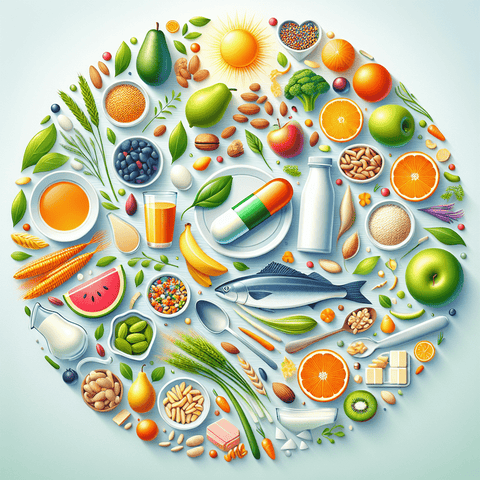
Vitamins and minerals—collectively known as micronutrients—are essential for nearly every biological process that keeps you healthy and functioning. Unlike macronutrients (proteins, fats, and carbohydrates) that provide energy, micronutrients are required in smaller amounts but are critical for everything from bone structure to brain function. This guide explores the best micronutrient sources, why these nutrients matter, and how to ensure your diet—and perhaps your supplement routine—provides what your body needs.
What Are Micronutrients and Why Are They Important?
Micronutrients are dietary components required in small quantities for normal physiological function. They include vitamins—organic compounds like vitamin C, vitamin D, and the B-complex—as well as minerals and trace elements such as calcium, magnesium, iron, zinc, and selenium. Unlike macronutrients, they provide no usable energy, yet without them, energy metabolism, immune defense, and cellular repair would not function properly.
The distinction between micronutrients and macronutrients is important. While macronutrients are measured in grams and serve as fuel and building blocks, micronutrients are measured in milligrams or micrograms. This means that eating enough calories does not guarantee adequate nutrition. A diet high in processed food may supply plenty of energy but lack the micronutrient sources required to utilize that energy safely and efficiently.
Nutritional guidelines consistently prioritize food-based intake over supplements. Whole foods offer more than isolated vitamins and minerals; they also provide fiber, antioxidants, and phytonutrients that work synergistically to enhance absorption and biological activity. This is why a "food first" approach is the foundation of any micronutrient strategy.
Essential Vitamins: Functions and Food Sources
Vitamins play distinct and vital roles in maintaining health. Understanding their primary functions helps clarify why each one matters and where to find it.
Fat-Soluble Vitamins: A, D, E, and K
Fat-soluble vitamins are stored in the body's fatty tissues and liver. Vitamin A is well-regarded for its role in vision and immune function. Vitamin D supports bone health and normal muscle function, while vitamin E helps protect cells from oxidative stress. Vitamin K is essential for blood clotting and bone health. These vitamins are found in diverse foods: leafy vegetables for K, citrus fruits for C, and fortified dairy for D.
Water-Soluble Vitamins: B-Complex and Vitamin C
Water-soluble vitamins, including the B-complex and vitamin C, are not stored in large amounts and need regular replenishment. B vitamins contribute to normal energy-yielding metabolism and are found in whole grains, legumes, and lean meats. Vitamin C is a popular antioxidant supporting immune health and is abundant in citrus fruits, berries, and peppers.
Essential Minerals: Key Roles and Where to Find Them
Minerals are inorganic elements that are fundamental to human health. They contribute to structural components, fluid balance, and nerve signaling.
Macro Minerals: Calcium, Magnesium, and More
Macro minerals are needed in larger amounts. Calcium is well-known for its structural role in bones and teeth, while magnesium is involved in over 300 enzymatic reactions, including muscle contraction and nerve transmission. Potassium and sodium maintain fluid balance and electrical gradients critical for heart function.
Trace Minerals: Iron, Zinc, Selenium, and Iodine
Trace minerals are required in smaller quantities but are equally important. Iron is a key component of hemoglobin, zinc plays a central role in immune cell function, selenium acts as an antioxidant, and iodine is essential for thyroid function. A guide to mineral supplements can help clarify the specific roles of these vital nutrients.
Top Food Groups for Micronutrient Density
To get a broad range of micronutrients, focus on a varied diet rich in whole, unprocessed foods. Here are the most important food groups to prioritize.
- Leafy Greens and Cruciferous Vegetables: Rich in magnesium, folate, vitamin K, and vitamin C. Examples include spinach, kale, broccoli, and Brussels sprouts.
- Fatty Fish and Seafood: Salmon, mackerel, and sardines provide vitamin D3, iodine, selenium, and omega-3 fatty acids.
- Nuts, Seeds, and Legumes: Excellent sources of zinc, selenium, copper, and iron. Brazil nuts are particularly high in selenium, while pumpkin seeds offer zinc and magnesium.
- Dairy and Fortified Alternatives: Provide highly bioavailable calcium, riboflavin (B2), and vitamin B12. Fortified plant-based milks offer similar levels for those avoiding dairy.
- Fruits and Whole Grains: Bananas, citrus fruits, and berries supply vitamin C and potassium. Oats, quinoa, and brown rice provide B vitamins and magnesium.
Signs of Inadequate Micronutrient Intake
Persistent tiredness, weakness, brain fog, hair thinning, and brittle nails may signal low levels of iron, vitamin B12, vitamin D, or magnesium. However, these symptoms are non-specific and can arise from many other health conditions. They cannot alone confirm a deficiency.
Because symptoms alone are not a reliable diagnosis, blood testing is the most reliable way to confirm a deficiency. Tests for serum ferritin, vitamin D, B12, and magnesium can clarify whether a genuine deficiency exists or whether symptoms stem from an unrelated medical cause.
Why Many People Fall Short on Essential Micronutrients
Several factors contribute to inadequate micronutrient intake in modern diets.
- Modern Dietary Patterns: Ultra-processed foods are energy-dense but nutrient-poor, providing calories without naturally occurring vitamins and minerals.
- Soil Depletion: Agricultural practices can reduce the mineral concentration of some crops, though fresh produce remains valuable.
- Restricted Diets: Vegan diets can lack B12, while low-carbohydrate diets may reduce intake of vitamin C, potassium, and folate.
- Life Stage: Pregnancy, athletic training, and older age all increase requirements for specific nutrients like iron, magnesium, and B12.
Supplements vs. Whole Foods: Finding the Right Balance
While food remains the most complex and beneficial matrix for delivering nutrients, supplements can address specific needs when dietary intake is insufficient.
- Whole Foods First: Prioritize fruits, vegetables, whole grains, lean proteins, and healthy fats to obtain micronutrients in their natural form.
- Supplementation: A multivitamin or targeted supplement may support a healthy diet, particularly for vitamin D3, magnesium, or B12.
- Antioxidant Defense: Many micronutrients act as antioxidants, protecting the body's cells from free radicals.
For a broad overview of different supplement options and their contexts, a multivitamin guide can provide basic information on ingredients and usage.
Practical Tips for Maximizing Micronutrient Absorption
How you prepare and combine foods significantly impacts nutrient absorption.
- Pair Iron with Vitamin C: Consuming iron-rich plant foods with vitamin C sources (like lemon juice over greens) enhances iron absorption.
- Combine Vitamin D with Fat: Since vitamin D is fat-soluble, consuming it with a source of fat improves absorption.
- Use Gentle Cooking Methods: Steaming or roasting rather than boiling preserves water-soluble vitamins like vitamin C and B-complex.
Key Takeaways for a Balanced Micronutrient Strategy
- Micronutrients—vitamins, minerals, and trace elements—are essential for energy production, bone health, nerve function, and antioxidant protection.
- Whole foods provide the most bioavailable and biologically complex micronutrient sources, making food-first nutrition the foundation of any strategy.
- Common nutrient gaps include vitamin D, iron, magnesium, B12, and zinc, particularly in older adults, women, athletes, and those on restricted diets.
- Symptoms like fatigue and brain fog are non-specific and should be confirmed with blood testing rather than self-diagnosed.
- Supplements are complements to, not substitutes for, a healthy diet; they are best used to fill verified gaps.
Frequently Asked Questions
What foods are highest in micronutrients?
The highest concentrations are found in leafy greens (magnesium, folate, vitamin K), fatty fish (vitamin D, iodine), nuts and seeds (zinc, selenium), and dairy or fortified alternatives (calcium, B12). A varied diet with these foods provides a broad spectrum of essential vitamins and minerals.
What are the 13 essential micronutrients?
The body requires 13 essential vitamins: vitamins A, C, D, E, K, and the eight B vitamins (thiamine, riboflavin, niacin, pantothenic acid, B6, biotin, folate, and B12). Along with these, essential minerals like calcium, magnesium, and iron are necessary for health.
What are signs of micronutrient deficiency?
Common signs include fatigue, weakness, brain fog, hair thinning, brittle nails, and poor wound healing. However, these symptoms are non-specific and can be caused by various health conditions, so blood testing is necessary for a reliable diagnosis.
Can you get all micronutrients from food?
For most people, a well-planned diet rich in whole foods can meet micronutrient needs. However, certain nutrients like vitamin D (from sunlight) and B12 (from animal products) can be harder to obtain depending on geography, dietary pattern, or age, making supplementation beneficial for some.