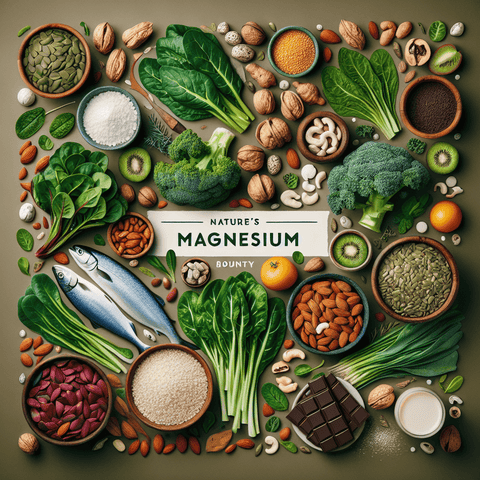
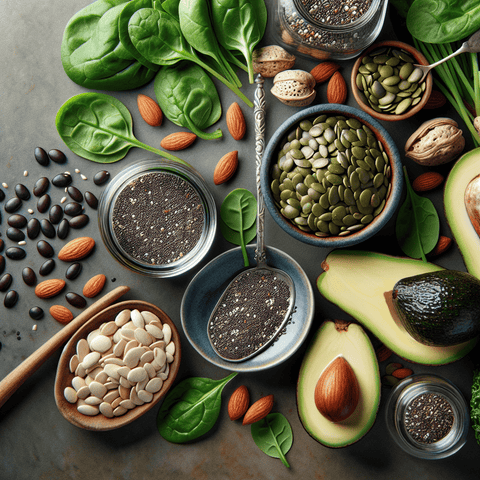
Mineral-rich foods are the foundation of a diet that supports strong bones, steady energy, muscle function, and a well-regulated immune system. Yet many people fall short of recommended intakes for key minerals such as magnesium, iron, zinc, calcium, and iodine without realizing it. In this guide, you will learn what essential minerals do in the body, which foods are the best sources, how absorption is affected by diet and lifestyle, and when supplementation may — or may not — be worth considering.
What Are Mineral-Rich Foods and Why Do They Matter?
Mineral-rich foods are foods that contain meaningful amounts of essential minerals — inorganic nutrients your body cannot produce on its own. Unlike vitamins, minerals retain their chemical identity regardless of cooking or storage, although their availability can still change during food preparation. Eating a varied diet built around whole foods is the most reliable way to cover your mineral needs, because foods deliver minerals alongside fiber, protein, and other complementary nutrients.
Defining Essential Minerals and Trace Elements
Essential minerals are nutrients required for normal physiological function that must come from the diet. "Trace elements" refers to minerals needed in very small amounts — typically less than 100 milligrams per day — such as zinc, selenium, iodine, copper, and manganese. Small required amounts do not mean small importance: even a modest shortfall in iodine or selenium can affect thyroid function over time.
The Difference Between Macrominerals and Trace Minerals
Macrominerals — calcium, magnesium, potassium, sodium, phosphorus, and chloride — are needed in larger amounts, often hundreds of milligrams to grams daily. Trace minerals (iron, zinc, copper, selenium, iodine, manganese, chromium, and others) are required in milligram or microgram quantities. Both categories are essential; the difference lies simply in how much the body needs, not in how important they are.
The Physiological Role of Minerals in the Body
How Minerals Support Bone Health, Muscle Function, and Nerve Signaling
Calcium and phosphorus form the structural basis of bone tissue, while magnesium contributes to bone matrix formation and vitamin D metabolism. Muscle contractions depend on a finely tuned exchange of calcium, magnesium, potassium, and sodium across cell membranes. The same mineral balance underlies nerve signaling, which is why both deficiencies and excesses of these nutrients can affect muscle cramps, heart rhythm, and neurological function.
Why Minerals Are Critical for Energy Metabolism and Hydration
Iron is a core component of hemoglobin, allowing red blood cells to transport oxygen — the raw material for cellular energy production. Magnesium, zinc, and copper act as cofactors in hundreds of enzymes involved in converting food into usable energy. Electrolytes such as sodium, potassium, and chloride regulate fluid balance, making mineral status directly relevant to hydration, especially in hot climates or during heavy physical activity.
Common Signs of Inadequate Mineral Intake
Recognizing Suboptimal Mineral Status vs. Clinical Deficiency
A long-term low intake may contribute to subtle complaints such as fatigue, muscle cramps, brittle nails, or poor concentration. These are non-specific signs that can have many causes. Clinical deficiency, by contrast, produces measurable and characteristic effects — for example, iron deficiency anemia, goiter from iodine deficiency, or the bone changes seen in severe calcium depletion.
Why Symptoms Alone Are Not a Reliable Diagnostic Tool
Fatigue, cramps, or hair loss can stem from stress, poor sleep, thyroid issues, or dozens of other causes. Symptoms alone cannot establish your mineral status, and self-diagnosis can lead to unnecessary supplementation — or mask a condition that needs medical attention. Blood tests and clinical assessment provide far more reliable information when there is genuine concern.
Factors That Influence Your Mineral Needs and Absorption
Age, Life Stage, and Gender-Based Variations
Recommended mineral intakes vary by age and sex. Adolescents, pregnant and breastfeeding women, and older adults often have elevated needs — particularly for calcium, iron, and magnesium. Women of reproductive age generally require more iron than men due to menstrual losses, while older adults may absorb calcium and vitamin B12 less efficiently.
How Dietary Components (e.g., Phytates, Oxalates) Affect Mineral Absorption
Plant compounds called phytates (in whole grains, legumes, and seeds) and oxalates (in spinach, rhubarb, and beet greens) can bind minerals and reduce their absorption. This is why the iron in spinach is less well absorbed than the iron in meat. Soaking, sprouting, fermenting, and pairing plant iron sources with vitamin C can meaningfully improve mineral availability.
The Impact of Medications, Digestive Health, and Chronic Conditions
Proton pump inhibitors, diuretics, certain antibiotics, and long-term antacids can interfere with mineral absorption or increase losses. Conditions such as celiac disease, inflammatory bowel disease, or previous gastric surgery can substantially reduce uptake of iron, calcium, magnesium, and zinc. In these situations, dietary intake alone may not be sufficient, and professional assessment becomes important.
Top Mineral-Rich Foods to Include in Your Daily Diet
Leafy Greens, Nuts, Seeds, and Legumes: Calcium, Magnesium, and Zinc
- Leafy greens such as kale, bok choy, and broccoli provide well-absorbed calcium (low-oxalate varieties offer the best availability).
- Nuts and seeds — especially pumpkin seeds, almonds, and cashews — are among the richest sources of magnesium, plus zinc and copper.
- Legumes such as lentils, chickpeas, and beans supply magnesium, iron, potassium, and zinc in one package, along with fiber and plant protein.
Seafood, Dairy, and Fortified Foods: Iodine, Selenium, and Calcium
Fatty fish and shellfish deliver iodine, selenium, zinc, and phosphorus; dairy products remain a primary source of calcium, potassium, and phosphorus for many people. Iodized salt and fortified plant-based milks also contribute meaningfully. Those who avoid dairy and fish — for example, strict vegans — should pay particular attention to iodine, calcium, and zinc intake, as plant-based diets often provide limited amounts of these minerals.
Whole Grains and Lean Proteins: Iron, Copper, and Phosphorus
Whole grains such as oats, quinoa, and brown rice provide magnesium, phosphorus, iron, and manganese. Lean meats and poultry are the best-absorbed sources of iron and zinc, and organ meats are exceptionally rich in copper and iron. Eggs and poultry also contribute selenium and phosphorus, rounding out the mineral profile of a mixed diet.
Practical Dietary Strategies to Maximize Mineral Intake
Simple Meal Combinations That Enhance Mineral Bioavailability
Pairing iron-rich plant foods with vitamin C sources — lentil soup with bell pepper, or oatmeal with strawberries — can substantially increase iron absorption. Adding a source of fat helps with the uptake of fat-soluble vitamins that work alongside minerals, such as vitamin D's role in calcium absorption. Separating coffee and tea from iron-rich meals by an hour or so reduces their absorption-inhibiting effect.
Cooking Methods That Preserve Mineral Content
Because minerals are water-soluble elements, they can leach into cooking water. Boiling vegetables for long periods reduces their mineral content, while steaming, roasting, stir-frying, or using the cooking liquid (as in soups) preserves more. Soaking and sprouting legumes and grains reduces phytates and improves the availability of iron, zinc, and calcium.
The Role of Dietary Patterns (Mediterranean, DASH) in Mineral Sufficiency
Evidence-based dietary patterns such as the Mediterranean and DASH diets naturally deliver high amounts of potassium, magnesium, and calcium through vegetables, legumes, nuts, fish, and dairy. DASH in particular has been associated with healthy blood pressure, an effect attributed partly to its high potassium and low sodium content. Following such a pattern covers most mineral needs without precise tracking.
Why Individual Mineral Requirements Vary
Athletes, Pregnancy, and Older Adults: When Needs May Be Higher
Athletes lose sodium, potassium, and smaller amounts of other minerals through sweat and may have higher magnesium turnover with intense training. Pregnancy increases requirements for iron, calcium, and iodine to support fetal development. Older adults face reduced absorption efficiency, lower food intake, and medication use that can all combine to increase the risk of suboptimal status.
Genetic Variability and Nutrient Metabolism
Genetic differences can influence how efficiently individuals absorb, transport, or utilize certain minerals — for example, variations affecting iron absorption or copper metabolism. While genetics rarely dictates the need for supplementation on its own, it may help explain why two people with similar diets can have different mineral status. This is one reason laboratory testing can be more informative than estimates.
When Focusing on Food May Not Be Enough: The Case for Supplementation
Circumstances Where Dietary Intake Is Likely Inadequate
Supplementation may reasonably be considered when dietary restrictions exclude entire food groups, when increased requirements outpace dietary intake (pregnancy, heavy menstruation, intense endurance training), or when absorption is compromised by medication or digestive conditions. In these cases, a targeted supplement addresses a specific gap rather than replacing a balanced diet. For a broad overview, our mineral supplements guide covering iron, zinc, selenium, and iodine explains the options available.
The Distinction Between Nutritional Support and Medical Treatment
A supplement supports nutritional status; it does not treat disease. If laboratory results confirm a deficiency, the appropriate dose and duration should be determined with a healthcare professional — particularly for iron, where excess intake carries real risks. Nutritional support works best as part of an overall strategy that includes dietary improvement.
How to Choose a Mineral Supplement Wisely
Single-Mineral vs. Multi-Mineral Formulas: Which Is Right for You?
Single-mineral products allow precise, targeted dosing — useful when a specific gap has been identified, such as magnesium or iron. Multi-mineral or multivitamin formulas offer broader coverage but typically contain lower doses of each mineral, which may be insufficient to correct a confirmed shortfall. If a general "insurance policy" is the goal, a well-formulated multivitamin with minerals can be a sensible starting point.
Comparing Mineral Forms: Citrate, Oxide, Glycinate, and Chelated Minerals
The chemical form of a mineral affects absorption and tolerability. Magnesium citrate is generally better absorbed than magnesium oxide, which is often used as a laxative at higher doses. Chelated forms such as magnesium glycinate and iron bisglycinate are bound to amino acids, which can improve absorption and reduce gastrointestinal side effects. Calcium citrate can be taken without food, whereas calcium carbonate requires stomach acid and is best taken with meals.
Evaluating Bioavailability, Dosage, and Potential Interactions
Bioavailability matters more than the number on the label: 500 mg of a poorly absorbed form may deliver less usable mineral than 200 mg of a well-absorbed one. Check whether doses are expressed as elemental mineral content, and be aware that calcium and iron compete for absorption, as do zinc and copper at high doses. Splitting doses through the day and taking competing minerals at different times can improve uptake.
Deciphering Supplement Labels for Mineral Products
Understanding Serving Size, Percent Daily Value, and Elemental Mineral Content
Labels list the amount of elemental mineral per serving — for example, "magnesium (as magnesium citrate) 200 mg" means 200 mg of actual magnesium. Percent Daily Value indicates how a serving contributes to a standard reference intake, but individual needs vary. Always check how many capsules constitute a serving, as some products require two to four per day to reach the stated dose.
Identifying Quality Markers: Third-Party Testing, Purity, and Added Ingredients
Look for products from manufacturers with transparent sourcing, quality controls, and preferably third-party testing for purity and content accuracy. Check the full ingredient list for fillers, allergens, and artificial additives, and confirm suitability for vegan, vegetarian, or gluten-free needs where relevant. Reputable brands, such as those in our natural supplements collection, typically document these standards clearly.
Who Should Consider Mineral Supplementation?
High-Risk Populations and When Laboratory Testing May Be Warranted
Groups most likely to benefit from targeted supplementation include pregnant women, vegans and vegetarians, people with heavy menstrual bleeding, older adults with limited diets, and individuals with malabsorptive conditions. For them, testing iron status (ferritin), vitamin D, or thyroid-related minerals such as iodine can clarify whether a genuine gap exists. Our trace minerals supplements collection covers options for less commonly discussed minerals.
The Importance of Professional Guidance for Persistent Symptoms
Persistent fatigue, cramps, hair loss, or unexplained symptoms deserve medical evaluation rather than self-treatment. A physician can order appropriate tests, identify underlying causes, and recommend evidence-based dosing. This is especially important for minerals with narrow safety margins, such as iron and selenium.
Safety Considerations and Potential Side Effects of Mineral Supplements
Upper Intake Limits and Risks of Excessive Intake
More is not better with minerals. Excess iron can cause gastrointestinal distress and, over time, organ damage; too much zinc can induce copper deficiency; high supplemental calcium may be associated with kidney stone risk; and selenium has a narrow window between adequate and excessive intake. Always respect the tolerable upper intake levels established by health authorities and avoid combining multiple supplements containing the same mineral.
Key Medication Interactions and Contraindications
Calcium, iron, magnesium, and zinc can bind to medications such as thyroid hormone, certain antibiotics, and bisphosphonates, reducing their effectiveness — typically, these should be taken several hours apart. People with kidney disease should be cautious with magnesium and potassium supplements, and iron supplementation should only follow confirmed deficiency or professional advice. During pregnancy and breastfeeding, dosing should always be reviewed with a healthcare provider.
Making an Informed Decision: Food First, Supplements as Targeted Support
A Practical Framework for Assessing Your Own Mineral Status
- Review your diet honestly: which mineral-rich food groups — dairy or alternatives, fish, legumes, nuts, whole grains, vegetables — do you eat regularly?
- Identify risk factors: restrictive diets, heavy periods, pregnancy, intense training, relevant medications, or digestive conditions.
- If symptoms persist or risk factors are present, ask a professional about blood testing rather than guessing.
- Address dietary gaps first, then consider a targeted supplement for the specific mineral involved, in an absorbable form, at a sensible dose.
When to Consult a Healthcare Professional for Personalized Advice
Seek professional guidance before high-dose supplementation, when taking prescription medication, during pregnancy, or if you have kidney, thyroid, or gastrointestinal conditions. A confirmed deficiency should always be treated under supervision, with follow-up testing where appropriate.
Final Takeaway: Building a Mineral-Rich Foundation for Long-Term Health
A diet built on vegetables, legumes, whole grains, nuts, fish, and quality dairy or fortified alternatives covers the vast majority of mineral needs for most healthy adults — and delivers benefits that no supplement can replicate. Supplementation serves as targeted support where diet, life stage, or health conditions leave genuine gaps, ideally guided by testing rather than guesswork. By combining a mineral-rich eating pattern with informed, measured use of supplements where needed, you build a nutritional foundation that supports bones, energy, and immunity for the long term.
Frequently Asked Questions
What are the most important minerals for the human body?
Calcium, magnesium, potassium, iron, zinc, iodine, and selenium are among the most critical, each supporting distinct functions from bone structure to thyroid hormone production. All are essential, meaning the body cannot make them and they must come from food. A varied whole-food diet typically provides adequate amounts.
Which foods are the richest sources of magnesium?
Pumpkin seeds, almonds, cashews, spinach, black beans, dark chocolate, and whole grains such as oats and quinoa are excellent sources. Since magnesium is abundant in plant foods, people eating varied diets usually get reasonable amounts. Processing, however, removes much of it from refined grains.
Can you get enough minerals from food alone?
For most healthy adults eating a varied diet, yes. Supplementation becomes relevant when entire food groups are excluded, requirements are elevated (pregnancy, intense training), or absorption is impaired by medication or digestive conditions.
What are the signs of iron deficiency?
Possible signs include fatigue, shortness of breath on exertion, pale skin, and brittle nails, but these symptoms overlap with many other conditions. Iron deficiency can only be confirmed with blood tests such as hemoglobin and ferritin. Self-treating with iron without confirmed deficiency is not advisable due to the risks of excess.
Which form of magnesium is best absorbed?
Magnesium citrate, glycinate, and other chelated forms are generally better absorbed than magnesium oxide, which has relatively low bioavailability. Glycinate is often preferred for its gentler effect on digestion. Individual tolerance and purpose (general support vs. digestive effects) also matter in choosing a form.
Can I take calcium and iron supplements together?
It is better not to, as calcium can inhibit iron absorption when taken at the same time. Separating them by at least a few hours, or taking iron on an empty stomach with vitamin C, helps maximize uptake. The same caution applies to zinc and high-dose calcium.
How much calcium do adults need per day?
Recommendations vary by country and age, but generally fall around 800–1000 mg daily for most adults, rising to roughly 1000–1200 mg for adolescents, pregnant women, and older adults. Dietary sources should be prioritized, and total intake from food plus supplements should not casually exceed upper limits.
Does cooking destroy minerals in food?
Minerals are elements and cannot be destroyed by heat, but they can leach into cooking water during boiling. Steaming, roasting, and using cooking liquids in soups preserve more of the mineral content. Overcooking vegetables in large volumes of water causes the greatest losses.
Are mineral supplements safe to take long term?
Supplements at sensible doses appropriate to a documented need are generally well tolerated. Long-term high-dose use carries risks — excess zinc can cause copper deficiency, and excess iron accumulates in the body. Periodic reassessment with a professional is prudent for anyone supplementing indefinitely.
Do athletes need extra minerals?
Athletes lose sodium and some potassium through sweat and may have higher magnesium and iron turnover, particularly endurance athletes. Most needs can be met through a mineral-rich diet, but female endurance athletes in particular may warrant monitoring of iron status. Broad multi-mineral megadosing is not necessary or recommended.
What is the difference between macrominerals and trace minerals?
The distinction is purely quantitative: macrominerals like calcium and potassium are needed in gram or several-hundred-milligram amounts daily, while trace minerals like selenium and iodine are needed in microgram to low-milligram amounts. Both are equally essential for health.
Should I take a multivitamin with minerals?
A multivitamin with minerals can serve as nutritional "insurance" for people with inconsistent diets, but it is not a substitute for healthy eating and typically contains modest doses. It is most useful for general coverage rather than correcting a confirmed deficiency, which calls for a targeted, higher-dose approach under professional guidance.
Related Keywords
- mineral-rich foods
- foods high in magnesium
- iron-rich foods
- calcium sources
- trace minerals
- macrominerals vs trace minerals
- mineral deficiency symptoms
- mineral absorption and bioavailability
- mineral supplements guide
- magnesium glycinate vs citrate
- iodine and selenium foods
- mineral supplement interactions
- zinc-rich foods