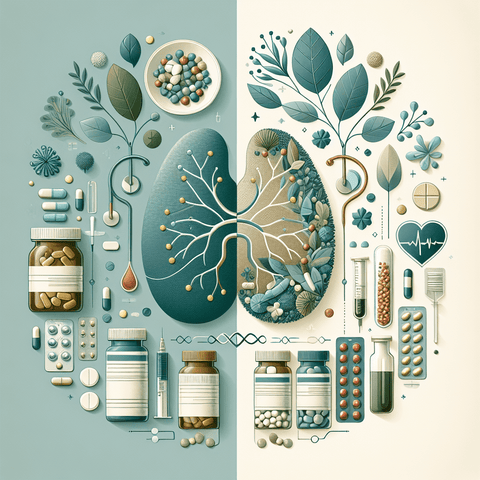
Mixing vitamins and medications is a common but often overlooked safety concern, as many everyday supplements can change how prescription and over-the-counter drugs are absorbed, metabolized, or cleared from the body. In this guide, you will learn which vitamin–medication interactions matter most, why they occur, who is at higher risk, how to time doses sensibly, and when to consult a doctor or pharmacist before adding any supplement to your routine.
Introduction: Why Mixing Vitamins and Medications Deserves Your Attention
Surveys consistently show that a large share of adults take at least one supplement alongside one or more prescription medications. Because vitamins, minerals, and herbal products are widely perceived as "natural" and harmless, they are often not mentioned during medical appointments. Yet supplements are biologically active: they can bind to drugs, compete for the same absorption pathways, or influence liver enzymes that break down medications.
Understanding mixing vitamins and medications does not mean supplements must be avoided. It means they should be used with the same care as any other substance that affects your body. With some basic knowledge about how interactions work and a few practical habits, most people can use supplements safely and effectively alongside their prescribed treatment.
What Does Mixing Vitamins and Medications Actually Mean?
Mixing vitamins and medications refers to any situation in which a supplement influences the way a drug behaves in the body, or in which a drug influences how a nutrient is absorbed, used, or stored. Both directions matter. A supplement can alter a medication's effect, or a medication can gradually change your nutritional status.
Key Terms: Drug–Nutrient Interactions, Interference, and Synergy
A drug–nutrient interaction occurs when a medication and a nutrient affect each other's action. Interference usually describes a nutrient blocking a drug from working as intended, such as when vitamin K counteracts anticoagulant medication. Synergy, by contrast, describes effects that reinforce each other, which can be beneficial in some cases but may also amplify side effects. Knowing these terms helps you interpret warning labels and have more productive conversations with healthcare providers.
Common Types of Interactions: Absorption, Metabolism, and Excretion
Most interactions fall into three categories:
- Absorption: Minerals such as calcium, magnesium, iron, and zinc can bind to certain antibiotics and thyroid medications in the gut, forming complexes the body cannot absorb. The drug may simply pass through without reaching effective levels.
- Metabolism: The liver uses enzyme systems, notably the CYP450 family, to process many drugs. Some supplements, most famously St. John's Wort, speed up or slow down these enzymes, changing how quickly a medication is cleared.
- Excretion: Substances can affect how the kidneys eliminate a drug or its by-products, altering blood levels even when absorption is normal.
Why Vitamin–Medication Interactions Matter for Your Health
How Interactions Can Reduce Medication Effectiveness
When a supplement interferes with absorption or speeds up drug metabolism, the medication may fall below therapeutic levels. The result can look like a treatment that "stops working" without an obvious cause. Antibiotics, thyroid hormone replacement, and some HIV and epilepsy medications are among the drugs most sensitive to this type of interference, which is why timing and disclosure matter so much.
How Interactions Can Increase Side Effects or Toxicity Risk
The opposite can also occur. If a supplement slows the breakdown of a drug, its concentration in the blood can rise to levels that cause side effects or toxicity, even at a normal prescribed dose. This is the main concern with grapefruit juice and certain statins, blood pressure medications, and immunosuppressants. Higher-than-intended drug levels may lead to dizziness, muscle problems, abnormal heart rhythms, or organ stress depending on the medication involved.
How Medications Can Deplete Vitamins and Minerals Over Time
Long-term medication use can also affect nutritional status. For example, proton pump inhibitors and long-term antacids can reduce absorption of vitamin B12 and magnesium; metformin has been associated with lower B12 levels over years of use; some diuretics can increase urinary losses of potassium and magnesium; and corticosteroids can affect calcium and vitamin D status. These effects usually develop slowly and are most relevant for people who take medications for months or years.
Common Signs That a Vitamin–Medication Interaction May Be Occurring
There is no single symptom that signals an interaction, and many interactions produce no noticeable signs at all, especially those affecting lab values or long-term treatment outcomes. Possible indicators include new or worsening side effects after starting a supplement, unusual fatigue or muscle weakness, changes in how well a chronic condition seems controlled, bruising or bleeding more easily than usual, or digestive upset that coincides with taking products together.
Situations That Warrant Attention (Not Self-Diagnosis)
These signs should prompt a conversation with a doctor or pharmacist rather than a self-made decision to stop medication or self-treat with more supplements. Stopping a prescribed medication on your own can be more dangerous than the suspected interaction. Keep an updated list of everything you take, including doses, so professionals can review combinations accurately.
Risk Factors: Who Is Most Likely to Experience Vitamin–Medication Interactions?
Interaction risk increases with the number of substances taken, the dose of each, and individual health characteristics. Older adults, people with reduced kidney or liver function, those with chronic illnesses, and anyone taking five or more medications or supplements daily face a substantially higher likelihood of clinically relevant interactions.
Medications That Interact with Vitamin K and Blood Thinners
Vitamin K supports blood clotting, which is precisely why it matters for people taking anticoagulants such as warfarin. Warfarin works by partially blocking vitamin K activity, so large or fluctuating vitamin K intake from supplements or foods like leafy greens can make blood-clotting measurements unstable. Consistency matters more than total avoidance; vitamin K supplements should only be used alongside anticoagulants under medical supervision.
Medications That Interact with Calcium, Magnesium, and Iron
Calcium, magnesium, iron, and zinc can chelate (bind to) several drug classes, including certain antibiotics (tetracyclines and fluoroquinolones), levothyroxine for thyroid conditions, and bisphosphonates for bone health. The usual strategy is to separate these minerals and the medication by at least two hours, though the exact interval depends on the specific drug. For more on mineral basics, see this guide to mineral supplements including iron, zinc, and selenium.
Medications That Interact with St. John's Wort and Popular Herbal Supplements
St. John's Wort is one of the most interaction-prone supplements known. It induces CYP3A4 and other drug-metabolizing enzymes and can reduce the effectiveness of oral contraceptives, warfarin, cyclosporine, some antidepressants, and several other medications. Other herbs, including ginkgo, garlic extracts, ginseng, and curcumin in concentrated form, also carry interaction potential. You can read more in this overview of herbal supplements, safety, and sourcing.
Medications That Interact with Vitamin E, Fish Oil, and Other Blood-Thinning Supplements
Vitamin E and omega-3 fatty acids from fish oil have mild blood-thinning properties at high doses. On their own, at typical intakes, this is rarely a concern, but combined with anticoagulants or antiplatelet drugs such as warfarin or aspirin, they may add to bleeding risk, particularly at supplemental doses above what food provides. Anyone scheduled for surgery is often advised to pause such supplements beforehand, always in consultation with their care team.
Grapefruit, Vitamin C, and Other Food-Based Interactions
Grapefruit and grapefruit juice inhibit CYP3A4 in the gut and can raise blood levels of numerous medications, including some statins, calcium channel blockers, and immunosuppressants. Very high-dose vitamin C may reduce urinary excretion of some drugs and can influence certain laboratory tests. Caffeine-containing herbal preparations and large amounts of cranberry products have also been reported to interact with specific medications, underscoring that "food-based" does not automatically mean interaction-free.
Contributing Factors: Diet, Timing, Age, and Absorption
Why Timing of Doses Matters (Take Together or Separately?)
Because most mineral–drug interactions occur in the digestive tract, separating doses is often enough to prevent them. As a general reference point, taking calcium, magnesium, iron, or zinc two hours before or after medications prone to binding is a common recommendation, but the appropriate interval is drug-specific. Some medications must be taken with food, while others require an empty stomach; following the instructions on your prescription takes priority over any supplement routine.
How Age, Kidney and Liver Function, and Gut Health Affect Interaction Risk
Kidney and liver conditions can slow the elimination of both drugs and nutrients, increasing the chance of accumulation. Reduced stomach acid, which is common in older adults and in people using acid-suppressing medications, can impair absorption of vitamin B12, iron, and calcium. Digestive conditions such as celiac disease or inflammatory bowel disease further complicate nutrient absorption, meaning standard timing rules may not apply.
Polypharmacy: The Risk of Taking Multiple Medications and Supplements
Each additional pill adds another possible combination. Interaction risk grows disproportionately with polypharmacy, generally defined as taking five or more medications. A pharmacist can run a full interaction check across all prescriptions, over-the-counter products, and supplements in one review, which is one of the most underused free resources available.
Why Interaction Risk Varies from Person to Person
Genetics, Dosage, and Health Status: Why the Same Combination Affects People Differently
Genetic differences in drug-metabolizing enzymes mean two people taking the same drug and the same supplement can have very different outcomes. Body size, kidney function, age, pregnancy, smoking status, alcohol use, and the duration of use all shift the balance of risk. This is why general interaction lists should be treated as starting points rather than personal assessments, and why a professional review is worthwhile for anyone with multiple health considerations.
Food-First Strategies to Reduce Interaction Risk
Dietary Patterns That Support Safe Medication Use
A balanced diet usually covers nutritional needs more safely than high-dose supplements, because nutrients in whole foods arrive in moderate amounts with fiber and cofactors that moderate absorption. Emphasizing vegetables, fruits, legumes, whole grains, quality protein sources, and oily fish supports nutritional status without the concentration spikes that supplements can produce. Consistency also matters: for medications like warfarin, eating a stable amount of vitamin K-containing foods is safer than large fluctuations.
Timing Meals, Supplements, and Medications for Minimal Interference
Practical scheduling helps prevent avoidable interactions. Useful habits include:
- Taking mineral supplements at a different time of day than medications that bind to them, following your pharmacist's guidance.
- Checking whether each medication should be taken with or without food and adjusting supplement timing accordingly.
- Avoiding grapefruit if you take a medication flagged for this interaction.
- Using a weekly pill organizer or medication app so doses are not accidentally doubled or combined incorrectly.
Where Supplements Fit In: Nutritional Support Alongside Medications
Vitamins and Minerals Commonly Depleted by Medications
Nutrients with the strongest evidence for medication-related depletion include vitamin B12 (metformin, acid suppressants), magnesium (some diuretics, proton pump inhibitors), potassium (certain diuretics), calcium and vitamin D (long-term corticosteroids, some anticonvulsants), and folate (some anticonvulsants and methotrexate, which is sometimes paired with folic acid by prescribing physicians). Recognition of these patterns is one reason periodic nutrient monitoring is often built into long-term treatment plans.
When Supplementation May Be Reasonable While Taking Medication
Supplementation may be worth considering when dietary intake is consistently low, when a medication is known to deplete a nutrient you rely on, when bloodwork indicates a low level, or when increased requirements apply, as in pregnancy or older adulthood. In these cases, the goal is generally to restore normal nutritional status, not to reach doses above recommended intakes.
General Nutritional Support vs. Addressing a Diagnosed Deficiency
There is an important difference between taking a modest multivitamin as general nutritional insurance and treating a confirmed deficiency. A diagnosed deficiency typically calls for a specific nutrient, a defined dose, and follow-up testing to confirm correction. General support, by contrast, is best kept close to recommended daily amounts, because high doses add interaction and toxicity risk without added benefit for most people. If you are considering a broader product, this guide to multivitamin ingredients, usage, and safety explains what to look for.
How to Choose a Supplement If You Take Medication
Choosing the Right Form and Dosage
Once you and your clinician agree a supplement is appropriate, form and dose matter. Prefer products providing amounts near the recommended daily intake rather than megadoses unless specifically instructed. For example, magnesium comes in several chemical forms (citrate, oxide, glycinate) that differ in absorption and digestive tolerance, though evidence comparing them is not always conclusive.
Bioavailability and Absorption Considerations
Bioavailability describes how much of a nutrient actually reaches the bloodstream. Factors such as whether the nutrient is fat-soluble or water-soluble, whether it is taken with food, and the presence of competing minerals all influence absorption. Fat-soluble vitamins (A, D, E, K) are better absorbed with a meal containing fat, while iron is absorbed better with vitamin C and worse when taken with calcium or coffee.
Single-Nutrient Products vs. Combination Multivitamins
Single-nutrient products allow precise dose control, which is valuable when you need to avoid or separate specific nutrients. Combination multivitamins are convenient but make targeted timing harder, since all ingredients arrive together. If you take medications with known mineral-binding interactions, a single-nutrient approach timed away from your medication may be simpler to manage.
Quality, Purity, Third-Party Testing, and Certifications
Because supplements are regulated differently from medications, product quality varies. Look for brands that disclose ingredient forms and amounts, manufacture according to good manufacturing practices (GMP), and use third-party testing to verify purity and label accuracy. This reduces the risk of hidden ingredients or inaccurate dosing that could worsen interaction risk.
Allergens, Additives, and Dietary Preferences
Check labels for allergens such as gluten, soy, dairy, or shellfish-derived ingredients, and for additives like artificial colors or sweeteners if you prefer to avoid them. Vegan, vegetarian, and allergen-free certifications are useful shortcuts when they matter to you.
Capsules, Tablets, Powders, and Liquids: Practical Differences
Capsules often dissolve reliably and mask taste; tablets are usually more affordable and shelf-stable but may be harder to swallow; powders allow flexible dosing but require accurate measuring; liquids absorb quickly and suit people with swallowing difficulties but may have shorter shelf life once opened. Choose the format you can take consistently at the correct time, since consistency is what ultimately determines both safety and benefit.
How to Read a Supplement Label When You Take Medications
Serving Sizes, Active Ingredients, and "Proprietary Blends"
Always check the serving size first, since some products list amounts per capsule when the serving is two or more. Verify the chemical form of each active ingredient and the exact amount per serving. Be cautious with "proprietary blends," which list combined ingredient totals without individual amounts, making it impossible to know how much of anything you are actually taking, or whether it could interact with your medication.
Warning Labels and Interaction Statements: What They Mean
Statements such as "consult a physician if you are taking blood thinners" are legally required warnings that signal known interaction potential. They are not legal boilerplate to ignore. If a label warns about a drug class you use, treat that as a direct reason to speak with your pharmacist before proceeding.
Who Should Be Especially Cautious About Mixing Vitamins and Medications?
Older Adults, Pregnant Women, and People with Chronic Conditions
Older adults often take multiple medications and have changes in liver, kidney, and digestive function that raise interaction risk. Pregnant women need careful management because several nutrients have narrower safe ranges and some medications require specific supplementation decisions, such as folic acid, that only a clinician can appropriately guide. People with kidney disease, liver disease, epilepsy, cardiovascular conditions, or cancer treatment plans should also treat every new supplement as a medication-level decision.
When to Talk to Your Doctor or Pharmacist (and What to Ask)
Consult a healthcare professional before adding any supplement if you take prescription medications, are pregnant or breastfeeding, have a chronic condition, or are scheduled for surgery. Helpful questions include: Does this supplement interact with any of my medications? Should I take it at a different time of day? What dose is appropriate for me? Do I need a blood test before or after starting it? Which warning signs should prompt me to call?
Safety Summary: Minimizing Interaction Risks Responsibly
The most effective safety strategy is simple and free: full transparency. Tell every clinician and pharmacist about all supplements, keep the list updated, favor food sources first, use doses near recommended intakes, separate minerals from interacting medications when advised, and avoid high-dose products without a specific reason and professional guidance.
Practical Checklist Before Adding Any Supplement to Your Routine
- Make a complete list of all medications, supplements, and relevant health conditions.
- Ask a pharmacist or doctor to check for interactions with that list.
- Confirm the correct dose and timing, including whether to take it with food.
- Choose a product from a reputable brand with third-party testing and a transparent label.
- Start one supplement at a time so any change or side effect can be attributed.
- Reassess periodically; supplements appropriate today may need review if your medications change.
Frequently Asked Questions About Mixing Vitamins and Medications
How Long Should I Wait Between Taking Vitamins and Medications?
For mineral supplements that bind medications such as certain antibiotics and levothyroxine, a separation of roughly two hours is commonly advised, though the ideal interval depends on the specific drug. Ask your pharmacist for the exact timing applicable to your prescription.
Can I Take a Multivitamin with My Prescription Medication?
Often yes, but not always together and not always without review. Multivitamins contain minerals that can interfere with some drugs, so check with a pharmacist, confirm timing, and follow any food or empty-stomach instructions on your prescription.
Which Vitamins Interact with Blood Thinners?
Vitamin K is the most significant because it directly supports clotting and can counteract warfarin. Vitamin E and high-dose omega-3s may add to bleeding risk when combined with anticoagulants. Consistency in vitamin K intake and professional supervision are key.
Do All Supplements Interact with Medications?
No. Many vitamins and minerals at recommended doses do not meaningfully interact with most medications. The risk depends on the specific combination, the dose, your health status, and how the products are timed.
Can Vitamins Make a Medication Stop Working?
Yes, in some cases. Supplements like St. John's Wort can speed drug metabolism, and minerals can block absorption of certain antibiotics and thyroid medication, potentially lowering drug levels below the effective range.
Does Grapefruit Affect Vitamins Too?
Grapefruit primarily affects drug metabolism rather than vitamin absorption. Its main relevance to this topic is that it can raise blood levels of certain medications, so anyone taking grapefruit-sensitive drugs should avoid it regardless of their supplement use.
Should I Stop Taking My Medication If I Suspect an Interaction?
No. Do not stop a prescribed medication without professional guidance, as abrupt discontinuation can be harmful. Contact your doctor or pharmacist, who can determine whether an adjustment is needed.
Is It Safe to Take Supplements Before Surgery?
Several supplements, including fish oil, vitamin E, and ginkgo, may affect bleeding, and many surgeons recommend stopping them one to two weeks before surgery. Always follow your surgical team's specific instructions.
Can Long-Term Medication Use Cause Vitamin Deficiency?
Some medications can reduce nutrient levels over time, such as metformin and B12 or diuretics and potassium and magnesium. This is why periodic monitoring is often part of long-term treatment plans.
Are "Natural" Supplements Always Safer with Medication?
No. Natural origin does not determine safety. St. John's Wort, for example, is entirely natural yet has among the most serious documented drug interactions of any supplement.
Do I Need a Blood Test Before Taking Supplements with Medication?
Not always, but testing is valuable when a deficiency is suspected or when a medication is known to deplete a nutrient. Bloodwork provides objective information that symptoms alone cannot reliably offer.
Can I Take All My Vitamins at Once in the Morning?
You can often take several vitamins together, but minerals may need to be separated from each other in large doses (iron and calcium compete for absorption) and from certain medications. Practical timing depends on your specific products and prescriptions.
Key Takeaways: Making Informed, Safe Choices About Vitamins and Medications
- Mixing vitamins and medications can alter how drugs are absorbed, metabolized, or excreted, affecting both effectiveness and side-effect risk.
- Minerals such as calcium, magnesium, and iron can block absorption of certain antibiotics and thyroid medications; separating doses usually helps.
- Vitamin K affects warfarin; consistency matters more than complete avoidance, and changes require medical input.
- St. John's Wort has some of the most serious documented supplement–drug interactions and should not be combined with sensitive medications without supervision.
- Some long-term medications can deplete nutrients such as B12, magnesium, and calcium, making periodic monitoring worthwhile.
- Diet usually comes first: balanced food intake delivers nutrients in moderate, well-regulated amounts with lower interaction risk.
- Interaction risk rises with the number of substances taken, age, kidney and liver function, and genetic differences in metabolism.
- Choose supplements with transparent labels, doses near recommended intakes, and third-party testing; avoid proprietary blends when on medication.
- Always inform your doctor and pharmacist about every supplement you take, and never stop a prescribed medication on your own.
Conclusion
Safely mixing vitamins and medications comes down to awareness, timing, and communication. A well-balanced diet meets most people's nutritional needs, and supplementation is most appropriate when intake falls short, requirements are higher, or medication use has affected nutrient levels. Because individual needs vary with age, health status, genetics, and the medications you take, the right approach for one person may not suit another. Before adding any supplement to a routine that includes prescription medication, a short conversation with your pharmacist or doctor is the most reliable way to combine nutritional support with effective, safe treatment.
Related Keywords
- mixing vitamins and medications
- drug–nutrient interactions
- supplement and drug interaction checker
- vitamin K and warfarin
- calcium and antibiotic interactions
- St. John's Wort drug interactions
- fish oil and blood thinners
- medications that deplete vitamins
- how long to wait between vitamins and medication
- multivitamin with prescription medication
- supplement timing and absorption
- supplement safety with medication
- polypharmacy and supplements