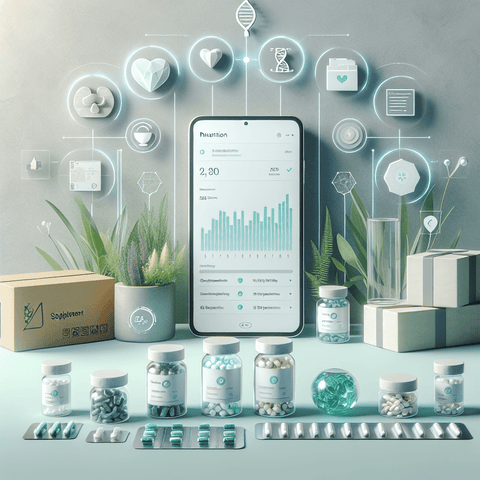
Monthly supplement boxes deliver a curated selection of vitamins, minerals, and wellness products to your door on a recurring schedule. This guide explains how these subscription services work, why consistent nutrient intake matters for everyday health, when a supplement subscription may be worth considering, and how to evaluate quality, safety, and personalization before subscribing. Because nutritional needs vary widely between individuals, the article also covers food-first strategies, common causes of nutritional gaps, and the situations where professional testing or guidance may be more useful than guessing.
What Are Monthly Supplement Boxes? A Complete Guide to Curated Wellness Delivery
Monthly supplement boxes are recurring-delivery services that send a personalized or pre-curated selection of dietary supplements to subscribers each month. Rather than researching and purchasing each product individually, subscribers receive a coordinated set of vitamins, minerals, or functional supplements designed around a general wellness theme or, in some cases, their stated health goals.
How a Monthly Supplement Subscription Works
Most services follow a similar structure. You subscribe online, often completing a short questionnaire about your diet, lifestyle, age, and goals. The company then assembles a box based either on algorithmic recommendations, a standardized monthly formula, or your own product selections. The box ships automatically on a set cycle, and most services allow you to pause, skip, or customize future deliveries.
Curated Boxes vs. Buying Individual Supplements
Buying individual supplements gives you full control over each product but requires more research and time. Curated boxes trade some of that control for convenience and coordination, potentially reducing the risk of duplicate nutrients across products. However, curation quality varies considerably between providers, so the contents still deserve the same scrutiny you would apply to any individual purchase.
Key Terms to Know: Personalization, Curation, and Subscription Cycles
- Personalization: Tailoring contents to individual factors such as diet, age, sex, and goals, usually via an intake questionnaire.
- Curation: The process of selecting which products are included, whether by nutrition professionals, algorithms, or general wellness themes.
- Subscription cycle: The delivery frequency, typically monthly, which aligns with a standard 30-day supply of most supplements.
Why Monthly Supplement Boxes Have Become So Popular
Convenience, Consistency, and Habit-Building in One Delivery
Supplements only have the potential to be useful if they are actually taken consistently. Research on supplement adherence consistently shows that many people stop taking products within weeks or forget doses regularly. Automatic monthly delivery addresses two common barriers: running out of product and forgetting to restock. For people who already know which supplements suit them, subscriptions remove friction from a routine they intend to maintain anyway.
How Curation Helps Take the Guesswork Out of Supplement Shopping
The supplement aisle can be overwhelming, with thousands of products making varying claims. A curated box narrows the field and, when done well, coordinates products to avoid redundant nutrients. That said, curation is not a substitute for understanding your own needs, and a well-curated box for one person may be entirely unnecessary for another.
The Nutritional Foundation: Why Consistent Nutrient Intake Matters
How Vitamins and Minerals Support Everyday Health
Vitamins and minerals participate in virtually every process in the body. B vitamins support energy metabolism, vitamin D and calcium contribute to normal bone maintenance, iron supports oxygen transport in red blood cells, and minerals such as zinc and selenium contribute to normal immune function. These are established, well-characterized roles recognized by nutritional science and reflected in official dietary reference values.
Why Consistency Matters More Than Occasional Use
For most nutrients, the body maintains only limited stores, and some—such as most B vitamins and vitamin C—are water-soluble and not stored in significant amounts. Intake therefore needs to be reasonably regular. Sporadic high-dose supplementation followed by weeks of nothing provides less practical benefit than steady intake matched to your needs. This is why consistency, rather than any single product choice, is often the most important variable in a supplement routine.
Signs Your Diet May Not Be Meeting All Your Nutritional Needs
Common Situations Associated with Low Nutrient Intake
Certain patterns are associated with lower intake of specific nutrients: very restricted diets, low consumption of fruit and vegetables, limited oily fish intake, minimal sun exposure, and diets heavy in ultra-processed foods. Fatigue, brittle hair or nails, and frequent illness are sometimes cited as warning signs, but these symptoms are non-specific and have many possible causes.
Why Symptoms Alone Can't Confirm a Nutritional Gap
Tiredness, for example, may relate to sleep, stress, thyroid function, iron status, or numerous other factors. Self-diagnosing a deficiency based on how you feel frequently leads to unnecessary supplementation—or misses the actual cause. For nutrients with validated tests, such as vitamin D, iron status (ferritin), and vitamin B12, a blood test offers far more reliable information than symptom-matching.
Common Causes of Nutritional Gaps: Diet, Lifestyle, and Absorption
Dietary Patterns and Restricted Eating
Vegan and vegetarian diets can be low in vitamin B12, iron, zinc, iodine, and omega-3 fatty acids DHA and EPA. Dairy-free diets may fall short on calcium and, in some countries, iodine. Highly restrictive weight-loss diets can create multiple gaps at once. These gaps are predictable and can often be addressed through either targeted food choices or supplementation.
Age, Digestion, and Nutrient Absorption
Absorption of several nutrients declines with age. Vitamin B12 absorption depends on stomach acid and intrinsic factor, both of which may decline in older adults. Conditions affecting the gut—such as celiac disease, inflammatory bowel disease, or prior gastric surgery—can impair absorption of multiple nutrients regardless of dietary intake.
Medications, Stress, and Other Contributing Factors
Certain medications affect nutrient status: proton pump inhibitors and metformin can reduce B12 absorption over time, and some diuretics affect potassium and magnesium levels. Chronic alcohol consumption interferes with the absorption and metabolism of several B vitamins. Persistent psychological stress may also influence eating patterns and nutrient utilization.
Why Nutritional Needs Vary from Person to Person
Life Stage, Activity Level, and Health Status
Official dietary reference intakes differ by age and sex for good reason. Women of reproductive age have higher iron needs due to menstrual losses. Pregnant women need more folate and iron. Adults over 70 have higher vitamin D and B12 requirements in part due to reduced absorption and skin synthesis. Athletes may have somewhat elevated needs for certain nutrients due to losses in sweat and increased turnover.
Genetics, Existing Intake, and Individual Variability
Genetic variation also plays a role. Differences in the MTHFR enzyme, for example, influence folate metabolism, which is why some supplement forms—such as methylfolate—exist alongside folic acid. Sun exposure, smoking, alcohol intake, and baseline diet all further shift individual requirements, meaning no single supplement combination fits everyone.
Food First: Building a Diet That Covers the Basics
Key Food Sources of Essential Vitamins and Minerals
- Vitamin D: Oily fish, egg yolks, fortified dairy and plant milks, plus skin synthesis from sun exposure.
- Iron: Red meat, poultry, fish, lentils, beans, and fortified cereals; plant-based (non-heme) iron is absorbed better alongside vitamin C.
- Calcium: Dairy products, fortified plant milks, tofu, sardines, and leafy greens.
- Magnesium: Nuts, seeds, whole grains, legumes, and dark chocolate.
- Omega-3s (DHA/EPA): Salmon, mackerel, sardines, and other oily fish.
- B vitamins: Whole grains, legumes, eggs, meat, and fortified foods.
Lifestyle Habits That Support Nutritional Health
Beyond food choices, habits matter: regular sunlight exposure supports vitamin D status, adequate sleep and stress management influence appetite and food choices, limiting alcohol preserves B vitamin status, and staying hydrated supports overall metabolic function.
When Food Alone May Fall Short
Even well-planned diets can leave gaps. Vitamin D is difficult to obtain from food alone at sufficient levels in low-sunlight regions and winter months. Strict vegans essentially require a reliable B12 source. In these cases, supplementation is not a sign of a poor diet but a practical response to genuine biological constraints.
Where Supplements Fit: Common Nutrients in Curated Wellness Boxes
Multivitamins: Broad Nutritional Support in One Product
Multivitamins are the most common anchor product in supplement subscriptions. They provide a broad spectrum of vitamins and minerals at or near recommended daily amounts, which may offer general nutritional insurance for people with variable diets. You can learn more about how these products differ in a dedicated multivitamin guide covering ingredients, usage, and safety.
Vitamin D, Omega-3s, and Other Commonly Included Nutrients
Vitamin D and omega-3 fatty acids are among the most frequently included single supplements, reflecting both common low intake and substantial research interest. Vitamin D status depends heavily on sun exposure and latitude, while DHA and EPA intake depends on fish consumption. Those interested can explore vitamin D sources, benefits, and safety considerations or DHA and EPA omega-3 supplements to understand what distinguishes quality products.
Probiotics, Adaptogens, and Functional Add-Ins
Many curated boxes also include probiotics, adaptogens such as ashwagandha, or botanical extracts. The evidence base for these categories is more variable than for essential vitamins and minerals. Probiotic benefits are strain-specific, and adaptogen research, while growing, remains less mature. Emerging ingredients deserve a closer look at the evidence before becoming a permanent part of any routine.
When a Supplement Subscription May Be Worth Considering
Situations Where Dietary Intake May Be Insufficient
A subscription can make sense when you have identified specific, ongoing gaps—through diet assessment or testing—that require consistent supplementation, and when you already know which products suit you. It is particularly practical for people taking a stable, long-term combination of supplements who simply want reliable delivery.
General Nutritional Support vs. Addressing a Diagnosed Deficiency
There is an important distinction between general support—modest doses of common nutrients to complement a decent diet—and correcting a diagnosed deficiency, which typically involves specific doses determined with professional input. Subscription boxes are generally suited to the former. A diagnosed deficiency warrants a targeted plan developed with a healthcare provider, not a generic curated box.
How to Choose the Right Monthly Supplement Box
Personalization: Questionnaires, Goals, and Tailored Selections
Look for services that ask meaningful questions about your diet, age, sex, medications, and goals rather than sending everyone the same products. A service that acknowledges your vegan diet, your pregnancy, or your medication list is more likely to send relevant products than one that ignores these variables.
Nutrient Forms, Dosages, and Bioavailability
Nutrients come in chemical forms that differ in absorption and tolerability. Magnesium citrate and glycinate are generally better absorbed and gentler on digestion than magnesium oxide. Vitamin D3 is generally preferred over D2 for maintaining status. Methylated B vitamins suit people with certain genetic variants. Doses should generally align with recommended daily intakes unless a professional has advised otherwise—more is not better.
Combination Products vs. Single-Ingredient Supplements
Combination formulas reduce pill count, while single-ingredient products offer dosing flexibility. Curated boxes often mix both. Consider which format fits your routine; a technically superior product you never take offers no benefit.
Purity, Third-Party Testing, and Quality Certifications
Quality varies enormously in the supplement industry. Prioritize brands that use third-party testing, disclose ingredient sources, and manufacture in certified facilities. Reputable retailers such as Topvitamine's natural supplements collection carry brands with established quality-control practices.
Allergens, Dietary Preferences, and Added Ingredients
Check labels for allergens such as gluten, soy, dairy, and shellfish, and for added sugars, artificial colors, or fillers. Confirm products match your dietary preferences—vegan capsules rather than gelatin, for example—and that the company discloses all inactive ingredients.
Capsules, Gummies, Powders, and Liquids: Which Format Fits Your Routine
Capsules and tablets are stable and compact; gummies are easier to take but often contain fewer nutrients, added sugar, and less stable ingredients; powders suit people who dislike pills but require accurate measuring; liquids may suit those with swallowing difficulties. The best format is ultimately the one you will take consistently.
How to Read a Supplement Label Before You Subscribe
Serving Sizes, Nutrient Amounts, and Percent Daily Values
Always check the serving size first—some products list amounts per capsule while requiring two or three per dose. Percent Daily Values (%DV) show how much of the recommended daily intake one serving provides, helping you avoid inadvertently exceeding sensible intakes when combining products.
Ingredient Forms and What Terms Like "Chelated" or "Methylated" Mean
"Chelated" minerals are bound to amino acids to improve absorption and reduce digestive irritation. "Methylated" B vitamins (methylfolate, methylcobalamin) are active forms that bypass certain conversion steps in the body. These terms describe real chemical differences, though the practical benefit varies by individual and by nutrient.
Quality Indicators and Red Flags to Watch For
- Positive indicators: Third-party testing seals, transparent ingredient sourcing, full disclosure of inactive ingredients, and compliant health claims.
- Red flags: Proprietary blends hiding individual doses, disease-cure claims, doses far above upper limits, and missing manufacturer details.
Who May Benefit Most from a Supplement Subscription
Busy Professionals, Restricted Diets, and Life-Stage Needs
People with demanding schedules who consistently forget to restock, those following restricted diets with identified gaps, adults in low-sunlight climates, women with higher iron needs, and older adults with reduced absorption are among the groups most likely to find subscription convenience genuinely useful.
When to Consider Testing or Professional Guidance First
If you suspect a deficiency, have a health condition, take regular medication, or are pregnant or breastfeeding, professional assessment should come first. Blood tests for vitamin D, B12, ferritin, and other nutrients can replace guesswork with data, allowing any subscription to be built around actual needs rather than assumptions.
Safety, Interactions, and Smart Use of Supplement Boxes
Upper Intake Limits and Avoiding Duplicate Nutrients
Nutrients have established tolerable upper intake levels (ULs) above which adverse effects become more likely. Fat-soluble vitamins A, D, E, and K accumulate in the body, making excess accumulation possible over time. Because curated boxes often contain multiple products, check that combined doses do not exceed safe limits—particularly for vitamin A, vitamin D, iron, and zinc.
Medication Interactions, Pregnancy, and Existing Health Conditions
Supplements can interact with medications: vitamin K affects blood thinners such as warfarin, high-dose omega-3s may have mild anticoagulant effects, and some minerals interfere with antibiotic absorption. Pregnant or breastfeeding women should follow professional guidance on which supplements and doses are appropriate, and people with kidney or liver conditions should be especially cautious with mineral supplements.
Side Effects to Be Aware Of
Iron can cause digestive upset and constipation; magnesium may have a laxative effect at higher doses; zinc in excess can cause nausea and, with long-term use, copper deficiency; niacin can cause flushing. Taking supplements with food often improves tolerability. Persistent side effects warrant stopping the product and consulting a professional.
Subscription Box or Dietary Changes Alone: Making Your Decision
Questions to Ask Before Committing to a Subscription
- Have I identified a specific gap in my diet, or am I supplementing on speculation?
- Do I know which nutrients and doses I actually need?
- Will I realistically take the products consistently?
- Does the box's total nutrient content overlap dangerously with other products I take?
- Can I pause or cancel easily, and is the cost sustainable long-term?
How to Evaluate Whether a Curated Box Matches Your Needs
Review the full ingredient list and doses of everything included, check for quality certifications, compare against your current diet and any test results, and confirm the contents do not conflict with medications or health conditions. A box that matches your verified needs and comes from a transparent provider can be a practical tool; a generic box taken on faith adds cost without clear benefit.
Final Thoughts: Making an Informed Choice About Monthly Supplement Boxes
Monthly supplement boxes solve a real problem—consistency and convenience—but they work best as the final step in a thoughtful process rather than a shortcut around one. Food and lifestyle remain the foundation of nutritional health, individual needs differ based on age, diet, absorption, and life stage, and symptoms alone are an unreliable guide to nutritional status. If you have identified genuine gaps through diet assessment or testing, a well-curated subscription built on quality products and sensible doses can help you maintain a consistent routine. If you have not, the most valuable first step is understanding your actual needs—possibly with professional input—before subscribing to anything.
Key Takeaways
- Monthly supplement boxes deliver curated vitamins and wellness products on a recurring schedule, addressing convenience and consistency—two major drivers of supplement adherence.
- Consistent, moderate nutrient intake generally matters more than occasional high-dose use for most vitamins and minerals.
- Symptoms such as fatigue are non-specific and cannot confirm a nutrient deficiency; blood testing offers more reliable information where tests are available.
- Nutritional gaps commonly arise from restricted diets, reduced absorption with age, certain medications, and low sun exposure.
- Nutritional needs vary by age, sex, diet, life stage, genetics, and activity level—no single curated box suits everyone.
- A food-first approach should come before supplementation; vitamin D and B12 are notable exceptions where diet alone often falls short.
- When choosing a box, evaluate personalization quality, nutrient forms and doses, third-party testing, allergen disclosure, and format suitability.
- Check total nutrient intakes across all products in a box against upper intake limits, especially for fat-soluble vitamins and minerals like iron and zinc.
- Supplements are not substitutes for medical care; diagnosed deficiencies, pregnancy, and medication use warrant professional guidance.
Frequently Asked Questions
What is a monthly supplement box?
A monthly supplement box is a subscription service that delivers a curated selection of vitamins, minerals, and other wellness products to your door each month. Contents may be standardized or personalized based on a questionnaire about your diet, lifestyle, and health goals.
Are monthly supplement subscriptions worth the cost?
They can be, if the contents match your identified nutritional needs and you take products consistently. If you do not have known gaps, dietary improvements may deliver more value. Comparing the per-month cost against buying the same products individually helps clarify the financial trade-off.
Can I trust the quality of supplements in curated boxes?
Quality varies by provider. Look for third-party testing, transparent ingredient sourcing, and manufacturing certifications. Reputable services disclose full ingredient lists and doses, allowing independent verification.
What supplements are most commonly included in wellness boxes?
Multivitamins, vitamin D, omega-3 fatty acids, magnesium, probiotics, and vitamin C are among the most common inclusions, reflecting widespread intake gaps and strong research interest in these nutrients.
Can I take too many supplements from a subscription box?
Yes. Combining multiple products can push total intake above tolerable upper limits, particularly for vitamin A, vitamin D, iron, and zinc. Always add up doses across all products in the box and anything else you take.
Do supplement subscriptions personalize contents based on my needs?
Many services offer personalization through intake questionnaires covering diet, age, sex, and goals, though the depth of personalization varies significantly. The most useful questionnaires ask about medications and existing conditions, not just lifestyle preferences.
Should I get blood tests before starting a supplement subscription?
Blood tests are not mandatory, but for nutrients with validated tests—such as vitamin D, B12, and ferritin—they provide far more reliable information than symptoms alone. Testing first helps avoid unnecessary supplementation and identifies genuine gaps.
Are gummy vitamins as effective as capsules?
Gummies can deliver nutrients effectively, but they often contain fewer nutrients per serving, may include added sugars, and some nutrients degrade faster in gummy form. Capsules and tablets generally offer more stable dosing for a wider range of nutrients.
Can I pause or cancel a supplement subscription?
Most reputable services allow you to pause, skip, or cancel at any time, though policies differ. Review cancellation terms before subscribing to avoid unwanted charges.
Are supplement boxes safe during pregnancy?
Some nutrients are essential during pregnancy—such as folic acid and iron—but doses matter, and certain ingredients, including high-dose vitamin A and many herbal adaptogens, are not appropriate. Pregnant women should follow guidance from a healthcare provider rather than relying on a generic curated box.
How long before I notice effects from a supplement subscription?
It depends on the nutrient and your starting status. Correcting a genuine deficiency may take weeks to months of consistent intake. General nutritional support in someone without a deficiency may produce no noticeable effects at all, which is normal.
What's the difference between a curated box and a personalized one?
A curated box typically contains a standardized or theme-based selection for all subscribers, while a personalized box is assembled from your questionnaire responses. Personalized services are generally better suited to people with specific dietary restrictions or identified needs.
Related Keywords
- monthly supplement boxes
- vitamin subscription box
- personalized supplement subscription
- curated vitamin delivery
- supplement subscription service
- nutritional gaps
- vitamin and mineral supplements
- supplement bioavailability
- multivitamin supplements
- vitamin D supplementation
- supplement safety and interactions
- third-party tested supplements
- consistent nutrient intake