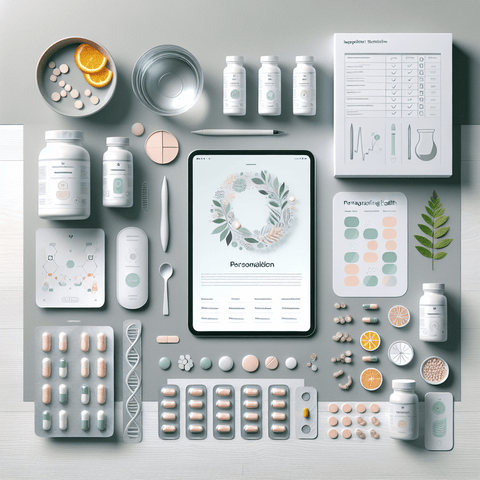
A monthly supplement delivery service sends a curated supply of vitamins, minerals, or other nutritional products to your door on a recurring schedule, helping you maintain consistent intake without last-minute store trips or forgotten reorders. This article explains how monthly supplement delivery works, who it may suit, why consistent nutrient intake matters, where nutritional gaps commonly appear, and how to evaluate supplement quality, dosage, and safety before subscribing.
What Is a Monthly Supplement Delivery? How It Works and Who It's For
The meaning of a monthly supplement delivery subscription
A monthly supplement delivery is a subscription model in which a retailer ships your selected vitamins and supplements automatically each month, typically at a discounted price compared with one-time purchases. You choose your products, set your delivery frequency, and can usually pause, adjust, or cancel the subscription at any time. The core idea is simple: remove friction from the process of maintaining a steady supplement routine.
How monthly vitamin subscriptions differ from one-time purchases
One-time purchases depend on memory and planning. When a bottle runs out, replenishment requires another trip or order, and gaps in use are common. A subscription automates replenishment, so supply arrives before you run out. This matters because most supplements only plausibly support health when taken consistently over time, not sporadically. Subscriptions also simplify budgeting and often lock in lower per-unit pricing.
Common types of supplements available through monthly delivery
Most subscription services cover the full range of nutritional products, including multivitamins, vitamin D, vitamin B-complex, vitamin C, and minerals such as magnesium, calcium, iron, and zinc. Specialized categories like omega-3 fish oil, probiotics, herbal extracts, and sports supplements are also commonly offered. The right selection depends on diet, life stage, and individual nutritional needs rather than popularity.
Key Benefits of Monthly Supplement Delivery for Consistent Nutrition
Why consistency matters for nutrient intake
Many vitamins and minerals are used continuously by the body. Water-soluble vitamins such as vitamin C and the B vitamins are not stored in large amounts, so regular intake matters more than occasional large doses. Even fat-soluble nutrients and minerals contribute to body functions through steady availability. An inconsistent pattern—taking supplements for a few weeks, then stopping—may limit any potential benefit.
Convenience, cost, and routine: practical advantages compared
The practical advantages of a subscription are threefold. Convenience: deliveries arrive automatically, reducing the mental load of tracking inventory. Cost: subscription pricing is frequently lower than standard retail. Routine: a predictable arrival reinforces the habit of daily intake, which behavioral research suggests is one of the strongest predictors of long-term adherence. Stacking a new supplement alongside an existing habit—such as breakfast—also improves follow-through.
Freshness and shelf life: what "fresh at your door" really means
Vitamins and supplements have limited shelf lives, and some forms—particularly probiotics and certain oils—are sensitive to heat, light, and oxygen. Regular monthly deliveries mean you receive smaller quantities at a time, reducing the chance of products sitting in a cupboard past their expiry date. Checking expiration dates on arrival and storing products as directed on the label helps preserve potency.
Why Consistent Nutrient Intake Matters for Health and Wellbeing
The role of vitamins and minerals in daily body functions
Vitamins and minerals act as cofactors and building blocks in nearly every physiological process. B vitamins support energy metabolism and nervous system function; vitamin D contributes to bone health, muscle function, and immune system activity; vitamin C supports collagen formation and antioxidant defenses; minerals such as iron, zinc, magnesium, and calcium are involved in oxygen transport, immunity, muscle function, and skeletal structure. These roles depend on adequate, ongoing intake rather than occasional consumption.
What happens when intake is irregular over time
Because the body maintains reserves of some nutrients, the effects of low intake often develop gradually. Prolonged insufficient intake can eventually deplete stores, and frank deficiency diseases are the end stage of a process that may begin as a subtle shortfall. Over time, inadequate intake of specific nutrients has been associated with fatigue, impaired immune function, reduced bone density, and other outcomes—although symptoms alone rarely point to a single nutrient cause.
Situations Where Nutritional Gaps Commonly Appear
Busy lifestyles, skipped meals, and irregular eating patterns
Irregular meal timing, reliance on convenience foods, and skipped meals can reduce both the variety and the total amount of nutrients consumed. People with demanding work schedules often eat the same limited set of foods repeatedly, which can leave specific nutrients underrepresented even when calorie intake is adequate.
Seasonal changes, travel, and disrupted routines
Vitamin D status illustrates seasonal variation clearly: in higher latitudes, cutaneous vitamin D synthesis is minimal during winter months because UVB radiation is insufficient. Travel and time-zone changes can also disrupt eating patterns, and hot climates with heavy sweating may increase losses of certain minerals. These situations do not automatically require supplements, but they are common contexts in which dietary intake fluctuates.
Why symptoms alone cannot confirm a nutrient insufficiency
Fatigue, poor concentration, brittle nails, and low mood are nonspecific. They can reflect sleep, stress, illness, or many other factors, and they overlap heavily between different nutrients. Self-diagnosing a deficiency from symptoms often leads to unnecessary supplementation—or to overlooking an underlying issue that deserves medical attention. Blood testing and professional assessment offer far more reliable information about nutritional status.
Common Causes and Risk Factors for Low Nutrient Intake
Dietary patterns: restrictive diets, vegan eating, and food exclusions
The more foods excluded from the diet, the higher the risk of specific gaps. Vegan and vegetarian diets can be low in vitamin B12, iron, zinc, iodine, and omega-3 fatty acids (particularly EPA and DHA). Dairy-free diets may fall short on calcium and, in some countries, iodine. Elimination diets followed without professional guidance carry similar risks.
Life stages and age-related changes in nutrient needs
Nutritional requirements shift across life. Pregnant and breastfeeding women have elevated needs for folate, iron, iodine, and other nutrients. Older adults absorb vitamin B12 less efficiently due to reduced stomach acid and synthesize less vitamin D in the skin. Adolescents with rapid growth, and women with heavy menstrual bleeding, may have increased iron requirements.
Absorption issues, medications, and health conditions
Certain gastrointestinal conditions—celiac disease, inflammatory bowel disease, and, historically, pernicious anemia—can impair absorption of multiple nutrients. Common medications matter too: proton pump inhibitors and metformin can affect B12 status over time, and some medications interact with nutrient absorption in both directions. Anyone with a malabsorption condition should work with a healthcare professional rather than self-selecting supplements.
Lifestyle factors: stress, alcohol, smoking, and physical activity
Chronic heavy alcohol use interferes with the absorption and metabolism of several B vitamins. Smoking is associated with lower vitamin C status, and smokers have higher vitamin C requirements. Intense physical training increases turnover of some nutrients and may raise requirements modestly. Chronic psychological stress does not directly cause vitamin deficiency, but it often changes eating patterns in ways that can reduce dietary quality.
Why Nutrient Needs Vary from Person to Person
Diet, body size, and activity level
Reference intakes are set for population groups, not individuals. Larger body mass, higher physical activity, and greater energy expenditure can increase requirements for some nutrients. Two people eating identical diets may still differ in whether that intake is sufficient for them.
Genetics, absorption, and existing intake from fortified foods
Genetic variation influences how the body absorbs, transports, and metabolizes nutrients—a well-studied example being variations in vitamin D metabolism. Gut health also plays a central role: the same dose of a nutrient may be absorbed differently by two people depending on stomach acid levels, gut microbiome composition, and the presence of food. In many countries, fortified foods such as cereals, plant milks, and margarine contribute substantially to daily intake, which should be counted when evaluating whether supplementation is needed.
Health status and life stage differences
Pregnancy, chronic illness, medication use, and age all shift requirements in different directions. This is a key reason generic "everyone should take X" advice is unreliable: a dose that is helpful for one person may be unnecessary, or even excessive, for another.
Food First: Diet and Lifestyle Habits That Support Nutrient Intake
Nutrient-dense foods worth building your meals around
- Leafy greens and cruciferous vegetables: folate, vitamin K, vitamin C, magnesium, and fiber.
- Oily fish (salmon, sardines, mackerel): vitamin D, vitamin B12, and EPA/DHA omega-3 fatty acids.
- Legumes, nuts, and seeds: magnesium, zinc, iron, vitamin E, and plant protein.
- Whole grains: B vitamins, magnesium, and selenium.
- Eggs and dairy (or fortified alternatives): vitamin B12, vitamin A, calcium, and iodine.
- Colorful fruits and vegetables: vitamin C, carotenoids, and a broad range of antioxidant compounds.
Daily habits that improve nutrient absorption naturally
Absorption of iron, carotenoids, and some other nutrients improves when they are consumed alongside vitamin C–rich foods or a source of fat. Conversely, tea, coffee, and high-phytate foods consumed with meals can reduce absorption of iron and zinc in susceptible individuals. Spreading intake across the day, eating adequate protein, and managing gut health through a fiber-rich diet all support overall nutrient utilization.
When food alone may not be enough
A well-constructed diet meets most people's needs most of the time. However, certain situations make dietary sufficiency harder to achieve: strict vegan diets without B12 supplementation, limited sun exposure during winter, medically diagnosed malabsorption, and pregnancy-related increases in requirement. In these cases, supplementation is not a failure of diet—it is a practical bridge over a genuine gap.
Where Supplements Fit in a Monthly Delivery Routine
Common supplement categories and their nutritional rationale
The supplements with the broadest evidence-based rationale include vitamin D for people with limited sun exposure, vitamin B12 for vegans and older adults, folic acid for women planning pregnancy, and iron where intake or losses are demonstrably low. Multivitamins offer general nutritional insurance rather than targeted correction. Omega-3, magnesium, and probiotic products are popular for specific purposes, though the strength of evidence varies by use case.
Multivitamins, single nutrients, and targeted formulas: how they differ
A multivitamin provides a broad spectrum of nutrients at or near reference intake levels, which suits general support but rarely corrects a specific shortfall. Single-nutrient products allow precise dosing of one vitamin or mineral—for example, vitamin D3 alone—when a particular gap has been identified. Targeted formulas combine several nutrients around a theme, such as bone health or immunity, and are useful when multiple related needs coexist. For readers exploring options, a guide to choosing a multivitamin can clarify which approach fits best.
What monthly delivery can and cannot do for your nutrition
A subscription solves a logistics problem: it keeps a consistent supply flowing and removes the risk of running out. It cannot diagnose a deficiency, select the right products for your body, or replace a varied diet and medical care. Treat delivery as the infrastructure of a routine, not the strategy itself.
When Supplementation May Be Worth Considering
Situations where dietary intake may fall short
Supplementation is most clearly relevant when a specific gap is plausible: vegan diets and B12, minimal sun exposure and vitamin D, heavy periods and iron, pregnancy and folate, or diets that exclude entire food groups. It is least justified as a substitute for dietary improvement or as a response to vague symptoms without any assessment.
The role of blood testing and professional assessment
For several nutrients—including vitamin D, vitamin B12, ferritin (iron stores), and folate—validated blood tests exist and can establish status far more reliably than symptoms. Testing is particularly worthwhile before starting high-dose supplementation, since some nutrients accumulate in the body. A general practitioner or registered dietitian can interpret results in context and recommend appropriate doses.
General nutritional support versus addressing a diagnosed deficiency
These are different goals with different strategies. General support typically involves moderate doses at or near recommended intakes, appropriate for healthy adults. Correcting a diagnosed deficiency usually requires higher doses for a defined period under professional supervision, followed by retesting. Confusing the two—taking deficiency-level doses indefinitely without monitoring—carries unnecessary risk.
How to Choose the Right Supplements for Your Monthly Delivery
Nutrient forms and bioavailability: what actually gets absorbed
The chemical form of a nutrient affects how well it is absorbed and used. Common examples: magnesium bisglycinate and citrate are generally better absorbed and gentler on digestion than magnesium oxide; vitamin D3 (cholecalciferol) is the form the body produces naturally; methylcobalamin and adenosylcobalamin are active forms of B12; and folate as 5-MTHF bypasses the conversion step required by folic acid, which matters for a minority of people. That said, for many nutrients the evidence comparing forms is limited, and differences are often smaller than marketing suggests.
Dosage: matching serving size to your needs
Compare the amount per serving on the label with established reference intakes and tolerable upper intake levels. A sensible general-use supplement typically provides somewhere between 50% and 100% of the daily recommended amount for its nutrients. Higher doses are not inherently better, and for fat-soluble vitamins (A, D, E, K) and several minerals, exceeding upper limits can cause harm over time.
Single ingredients versus combination products
Single-ingredient products offer dosing precision and are easier to adjust independently. Combinations are convenient and reduce the number of pills, but they fix the ratios—problematic if you need more of one nutrient and less of another. Check that combination formulas do not duplicate nutrients you already take elsewhere, which can push total intake above safe levels.
Quality, purity, and third-party testing certifications
Dietary supplements are regulated differently from medicines, so independent verification matters. Look for brands that use third-party testing (such as USP, NSF, or Informed Choice certification), disclose manufacturing under GMP (good manufacturing practice) standards, and publish certificates of analysis. Transparent labeling of active forms and amounts—rather than vague "proprietary blends"—is a strong quality signal.
Allergens, added ingredients, and dietary preferences
Check labels for gluten, dairy, soy, gelatin, and other allergens if relevant to you. Gummies frequently contain added sugars and may omit certain minerals for taste and stability reasons. Vegan, vegetarian, and allergen-free certifications are clearly indicated on well-made products.
Capsules, tablets, powders, and liquids: which format suits you
- Capsules: generally easy to swallow, protect sensitive ingredients, and mask unpleasant tastes.
- Tablets: cost-effective and stable, but sometimes large and harder to break down for some individuals.
- Powders: flexible dosing and useful for larger amounts, but require accurate measuring.
- Liquids: suitable for people who have difficulty swallowing pills; some nutrients are less stable in liquid form.
- Softgels: good for oil-based nutrients such as vitamin D and omega-3s, supporting absorption of fat-soluble compounds.
How to Read a Supplement Label Before Subscribing
Supplement facts panel: serving size, amounts, and daily values
The supplement facts panel lists serving size, the amount of each nutrient per serving, and the percentage of the daily value (%DV). Always check the serving size first: a product may appear low-dose per capsule while requiring two or three capsules for a full serving. The %DV tells you how a serving compares with general reference intakes, though individual needs may differ.
Ingredient forms and potency terms explained
Ingredient lists distinguish nutrient forms—for example, "magnesium citrate" versus generic "magnesium," or "vitamin D3" versus D2. Beware of standardized extract percentages on herbal products, which indicate active compound concentration. Terms like "high potency" or "extra strength" are marketing language without a strict legal definition; the actual numbers on the panel are what count.
Red flags and quality indicators to look for
- Red flags: proprietary blends hiding individual doses, doses far exceeding safe upper limits, disease-cure claims, missing contact information, and no expiry date.
- Quality indicators: third-party certification seals, GMP manufacturing disclosure, clearly stated nutrient forms, full ingredient amounts, and transparent company information.
Who May Benefit Most from a Monthly Supplement Delivery
Groups with higher nutritional needs or restricted diets
Vegans and vegetarians, pregnant or breastfeeding women (with professional guidance), older adults, and people with diagnosed malabsorption conditions are among the groups most likely to have ongoing, predictable nutrient gaps that justify a regular routine.
People with busy schedules or inconsistent routines
Even nutritionally knowledgeable people forget to reorder. If you already know which supplements suit you, automation removes the most common point of failure—running out—and helps convert intention into a stable habit.
When to consult a healthcare professional before subscribing
Seek professional advice before starting supplements if you are pregnant or breastfeeding, take prescription medication, have kidney, liver, or gastrointestinal disease, are being treated for a medical condition, or are considering high doses. A subscription should follow a considered decision about what you actually need—not drive it.
Safety, Interactions, and Responsible Supplement Use
Upper intake limits: why more is not always better
Every vitamin and mineral has a tolerable upper intake level (UL) established by scientific bodies. Exceeding it—particularly with fat-soluble vitamins A, D, E, and K, iron, selenium, and zinc—can cause toxicity or, over long periods, contribute to health problems. Chronic high-dose vitamin A, for example, is associated with bone and liver concerns. More is not better; adequate is the goal.
Supplement and medication interactions to be aware of
Several well-documented interactions matter: vitamin K can reduce the effectiveness of warfarin; calcium, iron, and magnesium can interfere with absorption of certain antibiotics and thyroid medication if taken together; St. John's wort interacts with numerous drugs; and high-dose vitamin E may increase bleeding risk alongside anticoagulants. Always separate mineral supplements from medications as directed, and inform your doctor or pharmacist about everything you take.
Pregnancy, medical conditions, and when professional advice is essential
During pregnancy, some nutrients become essential (folic acid) while others must be limited (high-dose vitamin A). People with kidney disease need particular caution with minerals, and those with hormone-sensitive conditions should review herbal supplements carefully. In these situations, professional guidance is not optional—it is the foundation of safe supplement use.
Subscription vs. One-Time Purchase: Is a Monthly Delivery Right for You?
Questions to ask before starting a monthly supplement subscription
- Do I have a specific, plausible reason to take each product—dietary gap, life stage, or professional recommendation?
- Have I checked whether my current diet or fortified foods already cover these nutrients?
- Will I take these consistently for months, or is this a short-term experiment?
- Have I verified the doses against reference intakes and any medications I take?
How to evaluate whether your routine needs supplementation
Start with an honest review of your diet: which food groups are underrepresented, and which nutrients are most associated with them? If your diet is varied and you feel well, supplementation may add little. If specific gaps exist or blood testing has identified a shortfall, a targeted product at an appropriate dose is a more sensible approach than a broad, high-dose combination.
Factors that should guide your product selection
Choose based on nutrient form, dose, third-party quality verification, allergen profile, and format that fits your daily routine—not on price alone or marketing claims. When exploring a natural supplements collection, prioritize products that disclose everything on the label and allow you to start with conservative doses.
Final Thoughts: Building a Consistent, Informed Supplement Routine
The practical takeaway: consistency, quality, and informed choices
A monthly supplement delivery works best as the final step in a thoughtful process: first ensure your diet is as strong as it can be, identify any genuine gaps based on diet, life stage, or testing, choose well-formulated products at appropriate doses, and then use automation to maintain consistency. Needs differ between individuals, and a subscription that suits one person may be unnecessary for another. If you are unsure where to start, a conversation with a healthcare professional or dietitian, combined with an honest look at your eating patterns, will tell you more than any product label. When supplementation is appropriate, consistent, high-quality choices—supported by reliable delivery—give your routine its best chance of being genuinely useful.
Key Takeaways
- A monthly supplement delivery automates replenishment, helping maintain consistent intake—the factor most linked to potential benefit.
- Vitamins and minerals support continuous body functions, so regular intake matters more than occasional large doses.
- Symptoms such as fatigue are nonspecific and cannot confirm a nutrient deficiency; blood testing offers more reliable information.
- Vegans, older adults, pregnant women, people with malabsorption, and those with restricted diets are among the groups most likely to have real nutrient gaps.
- Food should come first: a varied, nutrient-dense diet meets most people's needs, with supplements bridging specific, identified shortfalls.
- Nutrient form (e.g., D3 vs. D2, magnesium citrate vs. oxide) can affect absorption, though evidence comparing forms is limited for many nutrients.
- Match doses to reference intakes and never exceed tolerable upper limits—particularly for fat-soluble vitamins and minerals.
- Supplements can interact with medications; always inform your doctor or pharmacist about what you take.
- Third-party testing, GMP manufacturing, and transparent labels are the strongest indicators of supplement quality.
- A subscription supports consistency but cannot replace professional assessment, dietary quality, or medical care.
Frequently Asked Questions
What is a monthly supplement delivery?
A monthly supplement delivery is a subscription service that automatically ships your chosen vitamins and supplements to your door every month. It eliminates the need to remember reorders and helps you maintain a consistent daily routine. Most services allow you to adjust, pause, or cancel at any time.
Are vitamin subscriptions cheaper than buying individually?
Often, yes. Many retailers offer subscription discounts of 10–25% compared with one-time purchases, since recurring customers reduce acquisition costs. The total value depends on whether the products are genuinely useful for you—saving money on unnecessary supplements is not a saving.
How long do vitamins stay fresh after delivery?
Most vitamins remain potent until the expiration date printed on the label, typically 18–24 months from manufacture when stored in a cool, dry place. Monthly deliveries mean you receive smaller quantities at once, reducing the chance of products expiring unused. Probiotics and oil-based supplements have shorter shelf lives and may require refrigeration.
What are the most common nutrient gaps?
Commonly underconsumed nutrients include vitamin D, iron (particularly among premenopausal women), calcium, magnesium, potassium, and fiber. Vegans additionally need attention to vitamin B12, iodine, zinc, and EPA/DHA omega-3s. Individual gaps depend heavily on diet, geography, and life stage.
Can I take too many vitamins?
Yes. Fat-soluble vitamins (A, D, E, K) and minerals such as iron, selenium, and zinc can accumulate and cause harm when taken above tolerable upper intake levels for extended periods. Water-soluble vitamins are generally excreted but can still cause side effects at high doses. Check combined doses across all products you take.
Do I need to take supplements with food?
Fat-soluble vitamins (A, D, E, K) and carotenoids are absorbed better alongside a meal containing fat. Iron and zinc absorb well on an empty stomach but may cause nausea for some people. Minerals like calcium and magnesium are often better tolerated when divided with meals. Follow the directions on the product label.
Which form of vitamin D is best?
Vitamin D3 (cholecalciferol) is generally preferred, as it is the form the skin produces naturally and evidence suggests it raises and maintains blood levels of 25(OH)D at least as effectively as D2, possibly more so. Doses should be matched to individual status, which a blood test can establish.
Can supplements interact with medications?
Yes. Notable examples include vitamin K reducing warfarin's effectiveness, calcium interfering with certain antibiotics and thyroid medication, and St. John's wort affecting many prescription drugs. Always tell your doctor and pharmacist about all supplements you take, and separate mineral supplements from medications as directed.
Is a multivitamin enough, or do I need individual supplements?
A multivitamin provides broad, moderate-dose coverage and suits general nutritional support, but it may not correct a specific shortfall—doses of individual nutrients are often modest. If testing or diet analysis has identified a particular gap, a targeted single-nutrient product at an appropriate dose is usually more effective. Some people use both approaches together.
How long does it take to notice effects from supplements?
It depends on the nutrient and your starting status. Correcting a true deficiency, such as low vitamin D or B12, typically takes weeks to months before blood levels normalize. For general nutritional support without a deficiency, noticeable effects may be subtle or absent—supplements support normal function rather than producing immediate changes.
Should I get blood tests before starting supplements?
Testing is worthwhile when considering high-dose supplementation or when symptoms suggest a possible deficiency, since validated tests exist for vitamin D, B12, ferritin, folate, and others. For low-dose general support based on clear dietary gaps (such as vegan B12), testing is less critical but still informative. A healthcare professional can interpret results in context.
Can I pause or cancel a supplement subscription?
Reputable subscription services allow you to pause, skip a delivery, change products, or cancel through your account at any time, typically without fees. It is worth confirming the cancellation policy before subscribing. Adjusting frequency seasonally—for example, vitamin D only in winter—is also an option with flexible services.
Related Keywords
- monthly supplement delivery
- vitamin subscription box
- monthly vitamin delivery service
- supplement subscription benefits
- consistent nutrient intake
- vitamin deficiency signs and risk factors
- nutrient bioavailability and absorption
- how to choose quality supplements
- third-party tested vitamins
- supplement safety and interactions
- multivitamin vs individual supplements
- supplement dosage and upper intake limits
- vegan vitamin B12 supplementation
- food sources of vitamins and minerals