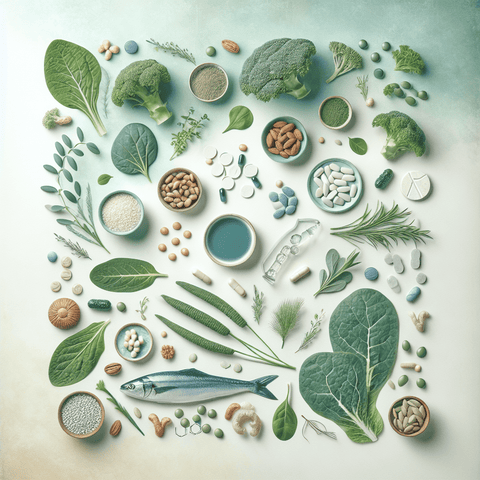
What Are Mood-Boosting Vitamins?
Mood-boosting vitamins is a broad term used to describe vitamins, minerals, and other nutrients that researchers have studied for potential associations with mood-related outcomes. It is not a formal medical category, and no nutrient can guarantee a specific emotional or psychological effect. Instead, the term brings together several overlapping areas of nutrition science, including vitamin D, certain B vitamins such as B12 and folate, magnesium, omega-3 fatty acids, and other compounds sometimes discussed in the context of general well-being. People often become interested in this topic when they want to understand how diet and supplementation may relate to everyday mood, energy, or resilience. This page provides a high-level map of the topic so you can better understand the main nutrients, the general context in which they are discussed, and the practical considerations that matter when evaluating supplements.
Key Nutrients and Supplements Studied for Mood Support
Among the nutrients most frequently mentioned in relation to mood are vitamin D and B vitamins, particularly vitamin B12 and folate. Magnesium and omega-3 fatty acids, including DHA and EPA, are also common subjects of discussion. Each of these nutrients plays recognised roles in normal physiology, and some research has explored whether low status or supplementation might be associated with mood-related outcomes. However, findings across studies are mixed, and research designs, populations, and measured outcomes vary considerably. This means it is not possible to draw firm conclusions from any single study, and general information should not be treated as personalised medical advice. Other supplement categories, such as herbal supplements and amino acids, are sometimes also discussed in this broader space, though evidence and traditional uses differ widely. Understanding these distinctions can help you place individual products and blog articles in a clearer context.
Practical Considerations and Safe Exploration
If you decide to explore mood-boosting vitamins or related supplements, a cautious and structured approach is sensible. Choose products from reputable brands with transparent labelling, and look for third-party testing where possible. Follow label directions and avoid exceeding recommended amounts. Be mindful of potential interactions with medications, existing health conditions, and special situations such as pregnancy or breastfeeding. Introducing one nutrient at a time and tracking your personal response over a reasonable trial period can help you observe how you feel, though individual responses vary. Always discuss your plan with a clinician or pharmacist, especially if you take other medicines or have chronic health conditions. The information on this page is educational and is not intended to diagnose, treat, cure, or prevent any disease. It should not replace advice from a qualified healthcare professional.