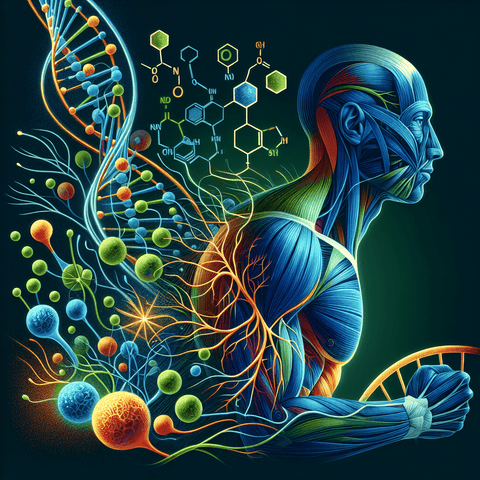
Muscle weakness can feel like a frustrating gap between what you want to do and what your body can manage. It is not a single condition but a symptom with many possible contributing factors, ranging from everyday deconditioning to underlying medical issues. This topical hub provides a broad overview of the most commonly discussed muscle weakness causes, helping you understand the major categories and how they relate to each other.
Whether you are trying to make sense of a new symptom, supporting someone else, or simply curious about how muscle function can change, understanding the wider map of causes is a useful first step. The goal here is orientation and context, not diagnosis. For specific questions about your own health, always consult a qualified professional.
What Is Muscle Weakness?
Muscle weakness typically describes a reduction in the strength or power a muscle or muscle group can produce. It may be generalised, affecting much of the body, or localised to specific areas. Some people describe it as feeling heavy, slow or unable to complete movements that were previously easy.
It is helpful to distinguish between subjective weakness, which is the sensation of effort or fatigue, and objective weakness, which can be measured by a clinician. Many factors can influence this experience, including sleep, stress, nutrition, activity levels and overall health.
Major Categories of Muscle Weakness Causes
Muscle weakness causes are often grouped into broad categories based on the body systems involved. Understanding these categories can help you see where a particular concern might fit.
Neurological and Neuromuscular Factors
Muscles rely on signals from the nervous system to contract. Conditions that affect the brain, spinal cord, peripheral nerves or the neuromuscular junction can interfere with these signals and lead to weakness. Examples include nerve compression, neuropathies and certain neuromuscular disorders. These causes are typically evaluated by medical professionals.
Metabolic and Endocrine Influences
The body’s metabolism and hormones play a key role in energy production and muscle maintenance. Thyroid disorders, adrenal insufficiency, diabetes and other metabolic conditions can affect how muscles use energy and may contribute to weakness. These factors are usually identified through clinical assessment and laboratory tests.
Nutritional and Electrolyte Factors
Muscle contraction depends on a balance of electrolytes such as potassium, sodium, calcium and magnesium. Deficiencies in certain vitamins, including vitamin D and B vitamins, may also influence muscle function. Nutritional status is one of many possible contributors and should be assessed by a healthcare professional rather than self-diagnosed.
Inflammatory, Autoimmune and Infectious Causes
Chronic inflammation, autoimmune conditions and some infections can affect muscles or nerves. These causes are often complex and require medical evaluation. They may be accompanied by other symptoms such as pain, swelling or fatigue.
Medication-Related and Lifestyle Factors
Some medications, including certain treatments for high cholesterol, blood pressure or inflammation, can influence muscle performance. Lifestyle factors such as prolonged inactivity, ageing and deconditioning are also common contributors. These are often modifiable, but any changes should be discussed with a professional.
Signs and Symptoms to Watch For
Muscle weakness can present in different ways. It is useful to note the pattern and context.
- Weakness that persists beyond normal fatigue.
- Weakness affecting multiple muscle groups or one side of the body.
- Cramps, twitching or muscle pain alongside weakness.
- Slower movement, reduced endurance or difficulty with daily tasks.
If you notice any of these, especially if they are new, worsening or affecting your quality of life, it is important to seek professional advice.
Practical Steps and General Considerations
While the underlying cause of muscle weakness requires professional evaluation, some general steps can support overall muscle health and help you track changes.
- Keep a simple log of when weakness occurs, which muscles are involved and how it changes over time.
- Maintain gentle, regular activity within your comfort zone, avoiding sudden increases in intensity.
- Ensure a balanced diet that includes a variety of nutrients, as nutrition is one of many factors that can influence muscle function.
- Review medications and supplements with your healthcare provider if you suspect they may be contributing.
For those interested in nutritional support, the magnesium category provides information on a mineral involved in normal muscle function. Similarly, the vitamin D category covers a nutrient that contributes to normal muscle function. These resources are for general education and do not replace medical advice.
When to Seek Medical Advice
Muscle weakness can sometimes indicate an underlying condition that needs attention. You should consider consulting a doctor if:
- Weakness is persistent, progressive or severe.
- It is accompanied by unexplained pain, numbness, tingling or swelling.
- You have difficulty with basic tasks such as walking, climbing stairs or lifting objects.
- You notice other symptoms such as fever, weight loss or changes in bowel or bladder control.
Only a qualified healthcare professional can determine the cause of your symptoms and recommend appropriate next steps.
Exploring the Topic Further
This page provides a broad overview of muscle weakness causes. More specific topics—such as particular diseases, nutrient deficiencies, treatment approaches and red flags—are covered in individual articles associated with this tag. You can explore those for deeper dives into each subtopic.