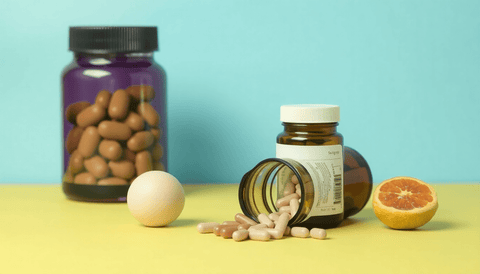
Natural anti-aging vitamins are nutrients—often obtained directly from food or food-derived supplements—that help protect cells from oxidative damage, support collagen production, and sustain energy metabolism as the body ages. In this guide, we explain how vitamins C, E, A, D, the B-complex, and coenzyme Q10 relate to skin health and vitality, which foods provide them, how individual needs change with age, and how to evaluate whether a natural supplement is worthwhile for you. Rather than promising miracle results, we focus on what nutrition science realistically supports and how to make informed decisions about diet and supplementation.
What Are Natural Anti-Aging Vitamins and Do They Work?
The term "natural anti-aging vitamins" is popular rather than scientific. It generally refers to vitamins and vitamin-like compounds that play established roles in processes associated with aging: protecting cells from oxidative stress, supporting skin structure, maintaining immune function, and sustaining energy metabolism. No vitamin stops aging itself, but adequate intake of several nutrients supports the biological systems that keep skin, muscles, and cells functioning well over time.
How Natural Anti-Aging Vitamins Differ from Synthetic Supplements
"Natural" in this context usually means nutrients derived from food sources or produced through fermentation, rather than fully synthesized in a laboratory. Chemically, many natural and synthetic vitamins are structurally identical—the body often cannot distinguish between them. However, nutrient form does matter in some cases. Natural vitamin E (d-alpha-tocopherol) has somewhat higher biological activity than its synthetic counterpart (dl-alpha-tocopherol), and food-based vitamin C comes packaged with beneficial plant compounds. For other nutrients, differences in effect are smaller or less well documented.
What Science Says About Nutrients and the Aging Process
Research consistently links adequate intake of antioxidant vitamins with better skin health markers and lower chronic disease risk in populations. For example, vitamin C status is associated with better skin appearance in observational studies, and vitamin D deficiency is widespread in older adults. What science does not show is that high-dose supplements reverse aging or prevent disease in already well-nourished people. Large trials of antioxidant supplements have generally been neutral or, in some cases (such as very high-dose vitamin E), raised safety questions. Adequacy is the goal—not megadosing.
Why Nutrition Matters for Healthy Aging
Aging is driven by a combination of genetics, environment, and gradual cellular wear. Nutrition influences several of these mechanisms directly, making it one of the more modifiable factors in how the skin and body age.
How Oxidative Stress Impacts Skin and Cellular Aging
Every day, cells generate reactive molecules called free radicals during normal metabolism. When free radical production outpaces the body's antioxidant defenses, oxidative stress occurs. This process contributes to damage of DNA, proteins, and cell membranes, and it is one of several mechanisms associated with skin aging and age-related decline. Dietary antioxidants—including vitamin C, vitamin E, and carotenoids—help maintain the body's antioxidant capacity, though they work best as part of a network alongside compounds the body makes itself.
The Role of Collagen Production in Skin Firmness and Elasticity
Collagen is the structural protein that gives skin its firmness and elasticity. Its natural production declines gradually with age, contributing to wrinkles and loss of volume. Vitamin C is an essential co-factor in collagen synthesis—the body cannot make stable collagen without it. Vitamin A also supports normal skin cell renewal. While no vitamin directly "rebuilds" collagen on its own, adequate vitamin C intake is a genuine, evidence-based requirement for collagen formation.
The Top 7 Natural Anti-Aging Vitamins
1. Vitamin C: The Antioxidant and Collagen Co-Factor
Vitamin C is arguably the most directly relevant anti-aging nutrient for skin. It is required for collagen synthesis, functions as a water-soluble antioxidant, and helps regenerate other antioxidants such as vitamin E. Research suggests higher vitamin C intake is associated with better skin appearance in some studies. Rich food sources include bell peppers, citrus fruits, kiwi, strawberries, broccoli, and Brussels sprouts. For those interested in supplementation, our vitamin C guide covers forms, doses, and safety in more detail.
2. Vitamin E: Lipid-Soluble Protection for Skin Membranes
Vitamin E is a fat-soluble antioxidant that integrates into cell membranes, where it protects lipid structures—including those in skin cells—from oxidative damage. It works closely with vitamin C, which regenerates vitamin E after it neutralizes free radicals. Good sources include sunflower seeds, almonds, hazelnuts, and plant oils such as wheat germ and sunflower oil. See our vitamin E overview for forms and safety considerations.
3. Vitamin A and Beta-Carotene: Supporting Cell Renewal
Vitamin A is essential for normal skin cell turnover and immune function. Preformed vitamin A comes from animal foods such as liver, eggs, and dairy, while the body converts plant-based carotenoids (like beta-carotene from carrots, sweet potato, and spinach) into active vitamin A as needed. Beta-carotene additionally functions as an antioxidant. Importantly, vitamin A accumulates in the body, so excess intake—particularly of preformed retinol—carries real risks. Our vitamin A guide explains safe intake levels.
4. Vitamin D: Beyond Bones—Role in Muscle and Immune Health
Vitamin D is best known for bone health, but it also supports muscle function and immune regulation—both of which matter for vitality with age. Deficiency is common in older adults and in people with limited sun exposure, particularly at northern latitudes. Because food sources (fatty fish, fortified dairy, egg yolks) provide limited amounts, sensible sun exposure and sometimes supplementation are relevant depending on your circumstances. More detail is available in our vitamin D resource.
5. B-Complex Vitamins and the Link to Energy and Hair Health
The B vitamins—B1, B2, B3, B5, B6, B7 (biotin), B9 (folate), and B12—support energy metabolism, red blood cell formation, and nervous system function. Vitamin B12 deficiency, which can affect energy and nerve function, becomes more common with age because stomach acid production and absorption decline. Folate and B12 also participate in DNA maintenance. B vitamins are widely available in whole grains, legumes, eggs, meat, fish, and leafy greens; absorption issues rather than low intake are the more frequent concern later in life. Our B vitamin guide covers the family in detail.
6. Vitamin K: An Underrated Nutrient for Aging Well
Vitamin K is often overlooked in anti-aging conversations, yet it supports normal blood coagulation and contributes to bone health—helping bind calcium into bone tissue alongside vitamin D. Leafy greens such as kale, spinach, and broccoli are excellent sources. People taking blood-thinning medications such as warfarin must keep vitamin K intake consistent and should consult their doctor before changing intake. You can read more in our vitamin K overview.
7. Coenzyme Q10: Not a Vitamin, but a Vital Anti-Aging Antioxidant
Coenzyme Q10 (CoQ10) is a vitamin-like compound the body produces naturally. It plays a central role in mitochondrial energy production and functions as a lipid-soluble antioxidant in cell membranes. CoQ10 levels decline with age, and some medications—particularly statins—are associated with reduced CoQ10 status. Food sources (organ meats, fatty fish, nuts) provide modest amounts. While CoQ10 supplementation is well tolerated in studies, evidence for anti-aging effects in healthy people remains preliminary.
What Causes Premature Skin Aging?
Sun Exposure and Photoaging
UV radiation is the single largest external contributor to skin aging, driving collagen breakdown, pigmentation changes, and oxidative damage. No nutrient substitutes for sun protection. A diet rich in antioxidant vitamins may modestly support the skin's defenses, but daily SPF, shade, and protective clothing remain the foundation of preventing photoaging.
Lifestyle Habits That Accelerate Aging
Smoking dramatically accelerates skin aging by generating free radicals and impairing blood flow to the skin. Excessive alcohol, chronic sleep deprivation, persistent psychological stress, and a diet high in ultra-processed foods all contribute to faster visible and cellular aging. Addressing these factors generally delivers more benefit than any supplement.
Why Nutrient Depletion Increases with Age
As we age, stomach acid production, digestive efficiency, and kidney function gradually decline. Appetite often decreases, and nutrient needs for some vitamins (like B12 and vitamin D) rise even as total calorie needs fall. This combination means older adults are more likely to have suboptimal status of specific nutrients without showing obvious symptoms.
Individual Factors That Influence Your Nutrient Needs
Age, Diet, and Digestive Absorption
Nutrient requirements are not uniform. They vary with age, sex, pregnancy, dietary pattern, body composition, and digestive health. Conditions affecting the stomach, intestines, liver, or kidneys can substantially reduce absorption or increase requirements. Restrictive diets—vegan, low-calorie, or highly processed eating patterns—carry different risk profiles for different nutrients.
Medications and Health Conditions That Deplete Nutrients
Several common medications interact with nutrient status: metformin can reduce B12 absorption, proton pump inhibitors can impair B12 and magnesium absorption, statins lower CoQ10 levels, and diuretics affect potassium and other minerals. If you take regular medication and are considering supplements, a conversation with your doctor or pharmacist is a sensible first step.
Natural Food Sources of Anti-Aging Nutrients
Antioxidant-Rich Foods to Add to Your Plate
A diet built around whole foods typically covers most anti-aging nutrient needs. Prioritize:
- Colorful vegetables and fruit — vitamin C, carotenoids, and a broad range of plant antioxidants
- Fatty fish (salmon, sardines, mackerel) — vitamin D, CoQ10, and omega-3 fats
- Nuts and seeds — vitamin E, selenium, and healthy fats
- Leafy greens — folate, vitamin K, and lutein
- Eggs, dairy, and liver — preformed vitamin A, B12, and protein
- Legumes and whole grains — B vitamins, fiber, and minerals
Everyday Dietary Patterns That Support Vitality
Rather than chasing individual nutrients, the overall pattern matters most. Mediterranean-style eating—rich in vegetables, olive oil, fish, nuts, and legumes—has been repeatedly associated with better health outcomes and may support healthier aging. Consistency over years, not weeks, is what drives meaningful effects.
When Is It Worth Considering a Natural Supplement?
Dietary Gaps and Restricted Eating Patterns
Supplementation becomes genuinely relevant when dietary intake is structurally insufficient—for instance, vitamin B12 for vegans, vitamin D in winter months or for people with minimal sun exposure, or when illness or appetite loss restricts food variety. A broad multivitamin can serve as a nutritional safety net, though it should not replace efforts to improve diet.
Signs That Testing May Be Useful
Symptoms such as fatigue, dry skin, or hair thinning are non-specific and can have many causes—nutrient status among them, but far from only. If you suspect a deficiency, blood testing (for vitamin D, B12, and folate in particular) provides far more reliable information than symptom-matching. This is best discussed with your GP or a qualified professional, who can distinguish between nutritional education, nutritional-status assessment, and medical diagnosis.
Why Food Should Always Come First
Supplements fill gaps; they do not replicate the full package of fiber, phytochemicals, and nutrient interactions found in whole foods. Most benefits attributed to "anti-aging vitamins" in dietary studies come from food sources, not isolated pills. Treat supplementation as targeted support, not a strategy in itself.
How to Choose a Quality Anti-Aging Vitamin Supplement
Natural vs. Synthetic Nutrient Forms: What to Look For
Check the nutrient forms on the label. For vitamin E, natural d-alpha-tocopherol has somewhat higher bioactivity than synthetic dl-alpha-tocopherol. For vitamin D, D3 (cholecalciferol) is generally preferred over D2. Some products use activated forms (like methylfolate or methylcobalamin), which can matter for people with certain genetic variants, though evidence for universal benefit is limited.
Single Nutrients vs. Multivitamin Combinations
Single-nutrient supplements suit identified, specific shortfalls—such as vitamin D in winter. A multivitamin suits broader dietary gaps but often contains doses that are either small or unbalanced. Choose based on your actual situation rather than the promise of a broad "anti-aging" formula.
Key Quality Markers: Third-Party Testing and Certifications
Look for products from manufacturers that provide transparent ingredient sourcing, batch testing, and certifications (such as third-party quality seals). Brands specializing in natural formulations, such as natural health collections, often publish sourcing and testing information. Avoid products with proprietary blends that hide individual doses.
How to Read an Anti-Aging Supplement Label Correctly
Understanding Serving Size and Nutrient Amounts
Always read the amount per serving, not per capsule—some products require two or more capsules to reach the stated dose. Check whether the amount refers to the active compound or a compound bound to a carrier (for example, magnesium citrate includes the weight of the citrate molecule).
Fat-Soluble vs. Water-Soluble Vitamins and Their Units
Fat-soluble vitamins (A, D, E, K) are measured in µg, IU, or mg depending on the nutrient and can be stored in the body. Water-soluble vitamins (C, B-complex) are generally excreted in excess and measured in mg or µg. Fat-soluble vitamins should be taken with a meal containing fat for optimal absorption; excess intake of fat-soluble vitamins carries greater risk.
Fillers, Additives, and Allergens to Watch For
Review the "other ingredients" list for allergens (gluten, soy, dairy), unnecessary sweeteners, artificial colors, and titanium dioxide. Capsule-based products often contain fewer excipients than tablets. Those with dietary or religious restrictions should verify the capsule source (gelatin vs. plant cellulose).
Safety, Dosage, and Interactions of Anti-Aging Vitamins
Upper Limits and Risks of Excess Intake
More is not better. Vitamin A (as retinol) has an established upper limit that can be exceeded through supplements plus a diet rich in liver, and excess intake is associated with bone density loss and liver toxicity. Very high-dose vitamin E supplementation has been linked in some studies to increased health risks. High-dose vitamin C can cause digestive upset. Always check established upper intake levels before choosing doses.
Potential Interactions with Medications
- Vitamin K interacts with warfarin and other anticoagulants—intake should remain consistent
- Vitamin E in high doses may increase bleeding risk with blood thinners
- Vitamin B6 in very high doses over long periods may affect nerve function
- CoQ10 may modestly affect blood pressure and blood-thinning medications
Who Should Consult a Doctor Before Supplementing
Pregnant or breastfeeding women, people with kidney or liver disease, those taking prescription medication regularly, and anyone considering high-dose fat-soluble vitamins should seek professional advice first. Fat-soluble vitamin A supplementation in particular should never be started without guidance.
Natural Anti-Aging Vitamins: Making an Informed Decision
Does Your Lifestyle Support Sufficient Intake?
Start honestly: do you eat a varied diet with vegetables, fruit, fish, and nuts most days? Do you get regular, sensible sun exposure? Do you take medications known to affect nutrient status? Answering these questions tells you far more than any marketing claim about what you might need.
When Supplementation Is a Reasonable Step
A supplement is reasonable when a specific gap exists that food cannot practically fill—vitamin D during winter, B12 for vegans, or targeted support when absorption is impaired. If you browse natural supplements, choose based on identified needs, verified quality, and appropriate doses rather than vague "anti-aging" positioning.
Practical Takeaways for Skin and Vitality
Foundation: sun protection, no smoking, adequate sleep, and a whole-food diet. Support: adequate vitamin C, D, E, A, K, B-complex, and CoQ10 from food, with supplementation only where a gap exists. Testing beats guessing: if you suspect deficiency, get blood work rather than self-treating blindly. And patience matters—nutritional benefits to skin and vitality accumulate over months and years, not days.
Key Takeaways
- No vitamin stops aging, but adequate vitamin C, E, A, D, K, B-complex, and CoQ10 support the biological processes that keep skin and cells healthy over time.
- Vitamin C is essential for collagen production—without it, the body cannot form stable collagen.
- Vitamin E and CoQ10 protect lipid structures in cell membranes; CoQ10 levels decline naturally with age and with statin use.
- Vitamin D deficiency is common in older adults and those with limited sun exposure, and food alone often falls short.
- B12 absorption declines with age, making deficiency more likely even when dietary intake appears adequate.
- Sun exposure, smoking, alcohol, poor sleep, and ultra-processed diets accelerate skin aging more than any single nutrient deficiency.
- Symptoms like fatigue or dry skin are non-specific; blood testing is more reliable than guessing at your nutrient status.
- More is not better: fat-soluble vitamins (especially A and E) carry real risks at high doses and have established upper intake limits.
- Choose supplements with transparent labels, appropriate nutrient forms, and third-party quality testing—based on your actual needs, not marketing claims.
Frequently Asked Questions
What are natural anti-aging vitamins?
It is a popular term for vitamins and vitamin-like compounds—such as C, E, A, D, K, B-complex, and CoQ10—that support processes linked to healthy aging, including antioxidant defense, collagen production, immune function, and energy metabolism. No vitamin literally stops aging.
Do anti-aging vitamins actually work?
They work in the sense that adequate intake supports normal skin, immune, and cellular function, and correcting a genuine deficiency can improve related health markers. There is no good evidence that high-dose supplements slow or reverse aging in people who are already well-nourished.
Which vitamin is most important for skin health?
Vitamin C, because it is required for collagen synthesis, and vitamin A, because it supports normal skin cell renewal. Vitamin E also contributes by protecting skin cell membranes from oxidative damage.
Can I get enough anti-aging nutrients from food alone?
Most people can meet vitamin C, E, A, K, and B-vitamin needs through a varied whole-food diet. Vitamin D is the notable exception for many, especially in northern climates, and vegans need a reliable B12 source.
Is natural vitamin E better than synthetic?
Natural vitamin E (d-alpha-tocopherol) has somewhat higher biological activity and is better retained in the body than the synthetic dl-form. For most other nutrients, differences between natural and synthetic forms are smaller or less well established.
Can you take too much vitamin A or E?
Yes. Vitamin A as retinol accumulates in the body, and chronic excess is associated with liver damage and reduced bone density. High-dose vitamin E supplementation has been linked to increased bleeding risk and, in some studies, raised safety concerns. Stick to established upper limits.
When is the best time to take fat-soluble vitamins?
With a meal containing fat, which improves absorption. Water-soluble vitamins like C and B-complex can generally be taken with or without food, though taking them with food may reduce digestive upset.
Do statins deplete CoQ10?
Statins reduce the body's production of CoQ10 as a known side effect of their mechanism. Whether CoQ10 supplementation helps with statin-related muscle complaints is still being studied, with mixed results so far.
Should I take a multivitamin or individual vitamins?
A multivitamin suits broad, mild dietary gaps; individual supplements suit identified specific shortfalls like vitamin D or B12. If you know what you are lacking, targeted single-nutrient supplementation is generally more precise and often more economical.
Can vitamin C prevent wrinkles?
Vitamin C supports collagen production, which underpins skin firmness, and adequate intake is associated with better skin appearance in some studies. But no vitamin prevents wrinkles on its own—sun protection, not smoking, and overall diet quality matter more.
How long before I notice effects from anti-aging vitamins?
If you correct a true deficiency, related symptoms like fatigue or poor immune function may improve within weeks to a few months. Visible changes to skin take considerably longer, typically several months, and depend on overall lifestyle—not just supplements.
Should I get tested before taking supplements?
If you suspect a specific deficiency—especially vitamin D or B12—blood testing through your GP is far more reliable than guessing from symptoms. Testing avoids both unnecessary supplementation and missed causes of symptoms that are unrelated to nutrition.
Related Keywords
- natural anti-aging vitamins
- best vitamins for skin health
- vitamin C and collagen production
- vitamin E antioxidant skin protection
- vitamin D and healthy aging
- B12 deficiency in older adults
- CoQ10 and statin use
- natural vs synthetic vitamin forms
- antioxidant-rich foods for skin
- anti-aging supplement safety
- upper intake limits fat-soluble vitamins
- vitamins for energy and vitality