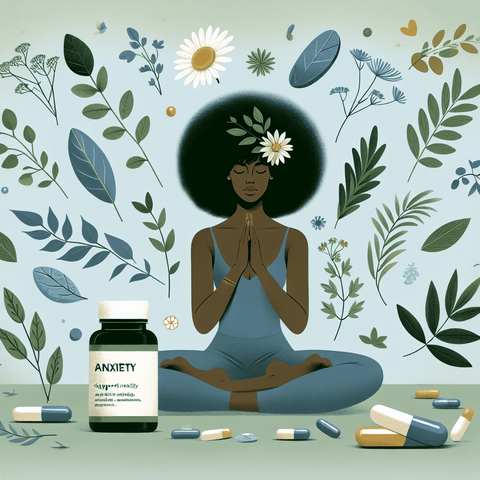
In a fast-paced world, many people seek a natural anxiety aid to help manage the mental and physical feelings of stress. This can involve looking beyond prescription options to understand how nutrition, botanicals, and lifestyle habits support the nervous system. This guide serves as a broad overview, exploring the science of the stress response and the key nutrients, herbs, and practices that can help build a foundation for a calmer, more balanced state of being. The goal is to provide a map of the topic, helping you understand the main pathways to natural support.
Understanding Natural Anxiety Aid and the Stress Response
A natural anxiety aid encompasses a range of non-pharmaceutical approaches—including specific nutrients, herbs, and lifestyle choices—that work by nurturing the nervous system and supporting the body's ability to manage stress. It's crucial to distinguish this from medical treatment for anxiety disorders, which may involve therapy or medication. Natural support is about filling nutritional gaps, promoting homeostasis, and building resilience to daily pressures, not curing a clinical condition. The body's stress response, often called "fight-or-flight," involves hormones like cortisol and adrenaline. While this system is vital for short-term survival, constant activation from modern life can lead to feelings of being overwhelmed, sleep disruption, and mood imbalances.
Recognizing the Signs Your Nervous System Needs Support
The body often signals when it's under too much stress. Physical signs can include persistent muscle tension, especially in the neck and shoulders, a racing heart, shallow breathing, and digestive upset. On a mental and emotional level, you might notice increased irritability, brain fog, and rumination—getting stuck in a loop of worry. A key indicator of chronic stress is feeling "wired but tired," as your body runs on adrenaline reserves. While occasional stress is normal, if these symptoms are severe, persistent, or disrupt daily life, it is essential to consult a healthcare provider to rule out other conditions and discuss appropriate support.
The Root Causes of Heightened Anxiety
Anxiety is not just a mental event; it's a physical condition influenced by a variety of interconnected factors. Understanding these causes can help in creating a more effective natural approach. For instance, chronic stress itself depletes key nutrients like magnesium and B-vitamins, creating a cycle where anxiety worsens nutritional deficiency, which in turn makes you more susceptible to stress. Similarly, poor sleep can make the brain's emotional center hyper-reactive, while a diet high in processed foods and refined sugar can lead to blood sugar swings that mimic anxiety and lack the building blocks for stable mood-regulating neurotransmitters.
Individual Variability and Sensitivity
There is no universal formula for calm. Individual needs can vary significantly based on genetics, hormonal fluctuations, and gut health. For example, some people are genetically slow metabolizers of caffeine, meaning an afternoon cup can trigger anxiety hours later. Hormones, particularly in women, can also have a significant impact on mood during different life stages. Furthermore, an imbalance in gut bacteria can impair nutrient absorption, making it difficult to get the benefits of a healthy diet. This personalized nature of stress and anxiety means a natural approach requires patience, self-awareness, and often experimentation to find what works best for your unique biochemistry.
Foundation First: Diet and Lifestyle as Natural Anxiety Aids
Before considering supplements, it's wise to optimize diet and daily routines. These are the pillars that support all other efforts. A foundational approach involves focusing on foods that stabilize blood sugar and provide the raw materials for neurotransmitter synthesis. This can be as simple as choosing complex carbohydrates over refined ones and ensuring an adequate intake of healthy fats and proteins.
Key dietary and lifestyle components include:
- Complex carbohydrates (like oats, quinoa, and sweet potatoes) to keep blood sugar stable and support serotonin production.
- Omega-3 fatty acids, found in fatty fish like salmon and sardines, for brain cell structure and communication.
- Magnesium-rich foods such as dark leafy greens, pumpkin seeds, and almonds to promote relaxation.
- B-vitamin sources like eggs, legumes, and leafy greens for energy and neurotransmitter function.
- Lifestyle habits like restorative sleep, regular movement, and breathing techniques such as the 4-7-8 method, which helps activate the body's "rest-and-digest" response.
Key Nutrients and Botanicals in Natural Anxiety Aid Supplements
Even with a good diet, some individuals may have higher nutritional needs or absorption challenges. In these cases, targeted supplements can act as a valuable natural anxiety aid to fill specific gaps. The following nutrients and botanicals are among the most frequently discussed for their supportive roles in nervous system health.
Minerals and Vitamins for Nervous System Health
Magnesium is often called the "relaxation mineral" for its role in regulating the stress response system and promoting muscle relaxation. It is one of the most important minerals for calming the body. Vitamin D, often overlooked, has receptors in areas of the brain involved in mood regulation, and low levels are frequently associated with low mood. B-complex vitamins, particularly B6, B9 (folate), and B12, are essential co-factors for producing serotonin and dopamine. For more information, you can review the benefits and sources of Vitamin D and the details on Vitamin B benefits and safety directly.
Botanicals and Amino Acids for Stress Support
Ashwagandha is an adaptogenic herb widely studied for its ability to help lower cortisol levels, making it helpful for those who feel "wired but tired." L-Theanine, an amino acid found in green tea, is known for promoting "calm focus" by increasing alpha brain waves without causing drowsiness. Omega-3 fatty acids (EPA and DHA) are crucial for maintaining brain cell membrane health and supporting mood balance. Additionally, a healthy gut is central to mental health, as a large portion of serotonin is produced there, making probiotics and prebiotics relevant to a holistic approach.
How to Choose a Natural Anxiety Aid Supplement
The supplement market is crowded, and knowing what to look for is essential for choosing a quality product. This involves understanding different ingredient forms and deciphering supplement labels.
Understanding Ingredient Forms and Dosages
For minerals like magnesium, the form matters greatly. Chelated forms like Magnesium Glycinate are better absorbed and gentler on the stomach than cheaper forms like Magnesium Oxide. For herbs like ashwagandha, different extracts like KSM-66 and Sensoril have different effect profiles. Common dosages used in research typically range from 200-400 mg of elemental magnesium, 300-600 mg of ashwagandha extract, and 200-400 mg of L-theanine daily. It is crucial to read labels for the amount of active ingredient, not just the total weight of the compound, and to start with lower doses to assess tolerance.
Reading Supplement Labels and Identifying Quality
A quality supplement label is transparent. Check the "Supplement Facts" panel for the exact amount of elemental minerals or standardized herbal extracts. Avoid products with long lists of "Other Ingredients," including artificial colors and hydrogenated oils. Look for third-party testing seals from organizations like USP, NSF, or ConsumerLab, which verify the product contains what the label says and is free from harmful contaminants. If a product is a combination formula, ensure it states the exact dosage of each active ingredient rather than hiding behind a "proprietary blend."
Safety, Side Effects, and Interactions
Natural does not automatically mean risk-free. It's important to be aware of potential side effects and interactions, especially if you have underlying health conditions or are taking medication.
- High doses of certain magnesium forms can cause gastrointestinal issues like loose stools. Switching to Magnesium Glycinate or reducing the dose can often resolve this.
- Ashwagandha may stimulate the immune system and thyroid function. Those with autoimmune conditions or taking thyroid hormone replacement should consult a doctor first.
- Some supplements, including magnesium and ashwagandha, may lower blood pressure or have sedative effects, potentially interacting with blood pressure or sedative medications.
- Pregnancy and breastfeeding require extreme caution. While magnesium is often considered safe, adaptogens like ashwagandha are not well-studied and are typically avoided. Always consult an OB-GYN before starting new supplements.
Before starting any new supplement regimen, especially if you have a diagnosed condition or take medications, it is always best to discuss it with a healthcare provider.
Making Informed Choices for Long-Term Calm
Finding a natural path to calm is a personal journey that involves a holistic approach. It's about creating the right internal environment through a combination of lifestyle, diet, and targeted support. Supplements are often most effective when used as "insurance" to cover gaps in a healthy lifestyle, rather than as a replacement for it.
To evaluate progress, it helps to track your sleep quality, stress perception, and focus over a period of 4-6 weeks. This isn't about immediate miracles but rather building a resilient nervous system. By prioritizing sleep, managing blood sugar, and ensuring you have the right nutrients, you can significantly lower your baseline anxiety level. This allows you to handle life's inevitable challenges with more grace and resilience. When in doubt, seeking professional guidance from a functional medicine doctor or registered dietitian can provide a personalized plan tailored to your unique health history and needs.
Key Takeaways for Your Natural Anxiety Aid Approach
- Natural anxiety aid involves non-pharmaceutical strategies to support the nervous system and stress response, not treat diagnosed conditions.
- A foundation of stable blood sugar, restorative sleep, and stress-reducing habits is essential before supplementation.
- Key nutrients include Magnesium (especially Glycinate), B-vitamins, Vitamin D, and Omega-3s.
- Botanicals like Ashwagandha and amino acids like L-Theanine can offer additional targeted support.
- Always choose supplements with transparent labeling and third-party testing to ensure quality.
- Natural supplements are for general well-being and are not substitutes for professional medical treatment for anxiety disorders.