The natural environment—the landscapes, ecosystems, and green spaces that exist largely without human construction—plays a far bigger role in human health than many people realize. Research consistently associates time spent in nature with benefits for mood, stress levels, physical activity, and overall well-being. In this article, you will learn what the natural environment is, why exposure to it matters, why modern lifestyles often limit our connection to it, and how spending more time outdoors intersects with practical health considerations such as hydration, nutrition, and seasonal vitamin D status.
What Is the Natural Environment?
Defining the Natural Environment in Everyday Terms
The natural environment refers to the living and non-living things that occur on Earth without direct human creation: forests, oceans, rivers, mountains, grasslands, wildlife, the atmosphere, and even small urban pockets of greenery like parks and gardens. In everyday terms, it is everything you can experience outdoors that has not been deliberately built by people—a woodland trail, a lake shoreline, a meadow, or a tree-lined street. The term also encompasses the ecological processes that sustain these spaces, such as water cycles, soil formation, and pollination.
Built Environment vs. Natural Environment: Key Differences
The built environment consists of human-made surroundings—buildings, roads, infrastructure, and indoor spaces. While it can incorporate natural elements (green roofs, urban parks), it is fundamentally designed and constructed. The distinction matters for health research: studies on "nature exposure" typically measure contact with vegetation, natural light, fresh air, and open landscapes, all of which are more characteristic of the natural environment. Spending an afternoon on a forest trail differs measurably, both sensorially and physiologically, from spending the same afternoon in a shopping mall, even though both involve leaving home.
Why the Natural Environment Matters for Human Health
The Physiological Effects of Nature Exposure
A substantial body of research suggests that spending time in natural settings is associated with measurable physiological changes. Studies have reported associations between time in green spaces and lower self-reported stress, reduced feelings of tension, and improved markers of relaxation. Some research has also linked walking in natural environments to beneficial changes in mood and energy compared with walking the same distance in urban settings. While the exact mechanisms are still being studied—proposed explanations include reduced mental fatigue, increased physical activity, and greater exposure to natural light—the overall pattern in the literature is consistent: more frequent contact with nature tends to align with better self-reported health.
How Natural Spaces Support Mental Well-Being
Natural environments appear to support mental well-being through several overlapping pathways. Attention restoration theory proposes that natural settings allow directed attention—a limited cognitive resource—to rest, which may explain why people often report feeling mentally refreshed after time outdoors. Time in nature has also been associated in observational studies with reduced rumination and lower levels of negative affect. It is worth noting that much of this evidence is correlational rather than causal, but the consistency of findings across populations and countries makes the association meaningful. Importantly, none of this requires extreme wilderness experiences; even regular visits to a local park can contribute.
Signs You Might Be Disconnected from the Natural Environment
Common Effects of Limited Time Outdoors
There is no clinical diagnosis for "nature disconnection," but researchers and individuals commonly notice certain patterns when outdoor time is very low: feelings of restlessness or mental fatigue, low motivation for physical activity, disrupted daily rhythms of light exposure, and a general sense of being "cooped up." These experiences are normal responses to indoor-heavy lifestyles rather than medical symptoms, and they do not prove anything about an individual's health status. Still, they can be useful personal signals that it may be worth intentionally increasing time outside.
Urban Living and Sensory Overload
Cities deliver a constant stream of stimulation—traffic noise, artificial light, crowds, screens, and notifications. Some researchers suggest this continuous sensory load contributes to mental fatigue, while natural environments tend to offer "soft fascination": stimuli that engage attention gently rather than demanding it. Urban living is not inherently unhealthy, and well-designed green urban spaces can partly offset these effects, which is why access to parks is increasingly treated as a public health consideration.
Factors That Influence Your Connection with Nature
The Impact of Urbanization and Indoor Lifestyles
More than half of the world's population now lives in urban areas, and many people spend the large majority of their waking hours indoors. As urbanization increases and indoor time accumulates, opportunities for spontaneous nature contact—walking to work through a park, gardening, playing outside—naturally decline. This is one of the reasons organized access to green space, such as community gardens and urban trails, has become a focus of both public health and city planning.
Seasonal and Geographic Barriers to Outdoor Time
Where you live strongly shapes how much nature exposure is realistic. Short winter days at northern latitudes, extreme summer heat, long rainy seasons, and long distances to green or wild spaces all reduce feasible outdoor time. Someone in a dense city at 55° latitude faces very different seasonal conditions from someone in a Mediterranean climate, and these differences matter when interpreting any general advice about "getting outside more."
How Modern Work and Screen Time Reduce Nature Exposure
Desk-based work keeps people indoors during daylight hours, and evening screen use extends that indoor time further. The result is often a double reduction: less physical activity and less exposure to natural light, which plays a role in regulating circadian rhythms. Small changes—taking breaks outdoors, walking meetings, eating lunch in a park—can help counteract these patterns without requiring major lifestyle overhauls.
Why Time in the Natural Environment Affects People Differently
Age, Mobility, and Access to Green Spaces
Not everyone relates to nature in the same way, and research reflects this variability. Children benefit developmentally from outdoor play; older adults may gain both physical and social benefits from accessible green spaces; and people with limited mobility depend heavily on how nearby and navigable those spaces are. Geographic and socioeconomic factors strongly influence who has convenient access to quality natural environments, meaning individual "nature prescriptions" cannot reasonably be one-size-fits-all.
Personal Preferences for Outdoor vs. Indoor Recreation
People also differ in what they enjoy. Someone who finds hiking relaxing may experience the same activity as stressful for another person. Evidence suggests that benefits from nature exposure are strongest when the experience is enjoyable and voluntary, so the best outdoor routine is one you can actually sustain and look forward to.
Practical Ways to Engage with the Natural Environment
Easy Everyday Habits for More Outdoor Time
Building nature contact into existing routines is more sustainable than occasional ambitious trips. Options include:
- Walking or cycling part of your commute through greener routes
- Taking phone calls or coffee breaks outdoors
- Eating lunch outside when weather permits
- Keeping a small balcony, windowsill, or indoor connection to plants
- Scheduling a short evening walk before sunset
Accessible Nature Activities for Different Lifestyles
For those with more time or mobility, activities such as hiking, gardening, birdwatching, kayaking, trail running, or camping offer deeper engagement. For others, low-barrier options—visiting a city park, joining a community garden, or simply sitting outdoors—still provide meaningful contact with natural light, fresh air, and greenery. Consistency matters more than intensity.
The Role of Nutrition When Spending More Time Outdoors
Key Nutrients Relevant to Outdoor Activity and Sun Exposure
Spending more time outdoors—especially during hiking, cycling, or physically demanding work—increases energy expenditure and the body's demand for hydration and electrolytes. Nutrients with particular relevance include vitamin D, which the skin synthesizes from sunlight; B vitamins, which contribute to normal energy-yielding metabolism; magnesium, which supports normal muscle function and contributes to electrolyte balance; and vitamin C and vitamin E, which act as antioxidants. You can explore details on vitamin D sources and safety and on magnesium's role in energy and muscle function for a fuller picture.
Hydration and Electrolyte Balance for Extended Time Outside
During long or hot outdoor activities, fluid losses through sweat can be substantial. For most moderate outdoor activity, water and regular meals are sufficient. For prolonged, intense exertion in heat, replenishing sodium, potassium, and magnesium alongside fluids becomes more relevant. Signs such as persistent thirst, headache, or unusual fatigue during exertion warrant attention, though they are not a substitute for assessing overall hydration habits.
When Supplementation May Be Relevant for Outdoor Lifestyles
Gaps in Nutrient Intake for Highly Active or Outdoor-Oriented People
Supplementation is not a requirement for enjoying nature or being active. However, certain groups may have situational nutrient gaps: people with restricted diets, those undertaking very high levels of physical activity with increased energy and nutrient turnover, travelers with irregular eating patterns, and individuals whose food access is limited during long expeditions or seasonal work. In these contexts, a supplement may help fill a specific gap—but ideally after evaluating whether dietary changes can address it first.
Seasonal Vitamin D Considerations and Limited Sunlight
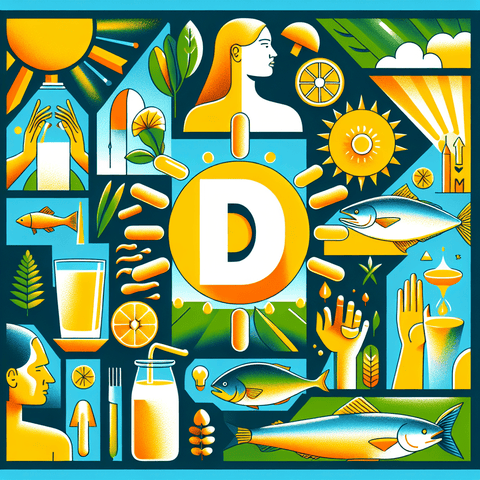
Vitamin D deserves special mention because sunlight—not diet—is its primary natural source. At higher latitudes, sunlight during winter months is often too weak for meaningful skin synthesis, meaning even people who spend time outdoors may have lower vitamin D status seasonally. Older adults, people with darker skin living at northern latitudes, and those who consistently cover their skin outdoors may also synthesize less. For these situations, research suggests vitamin D supplementation may be a reasonable consideration, and health authorities in many countries recommend supplemental vitamin D during winter for certain groups. A blood test is the most reliable way to assess individual status rather than guessing from lifestyle alone.
How to Choose a Supplement for Outdoor and Active Lifestyles
Key Ingredient Forms and Bioavailability
The chemical form of a nutrient can influence how well it is absorbed and tolerated. Well-known examples include magnesium, where forms such as magnesium citrate and magnesium bisglycinate are generally better absorbed than magnesium oxide, and vitamin D3 (cholecalciferol), which is commonly preferred over D2. Fats and fat-soluble vitamins—A, D, E, and K—are typically better absorbed when taken with a meal containing some fat. That said, evidence does not support one form being universally superior for every nutrient, so practical tolerability and consistent use matter as much as theoretical bioavailability.
Single-Ingredient Formulas vs. Targeted Combinations
A single-ingredient product (for example, vitamin D alone) offers precise dosing and is easy to adjust, which suits people addressing one identified gap. Combination products, such as a multivitamin or an active-lifestyle formula, can be convenient for broader coverage but may contain doses of specific nutrients you do not need. If your main goal is general nutritional insurance, a well-formulated multivitamin may be worth considering; if you have a specific, assessed need, a targeted single-nutrient product is usually the cleaner choice.
Quality Indicators and Third-Party Testing
Because supplements are regulated differently from medicines in most countries, product quality varies. Meaningful indicators include transparent labeling of ingredient forms and amounts, third-party testing or certification, manufacturing under recognized quality standards, and clear allergen labeling. Reputable retailers of natural supplements typically provide this information for each product.
Understanding Supplement Labels for These Products
Reading Serving Sizes and Nutrient Amounts
Labels usually state the amount of each nutrient per serving, alongside a reference percentage (such as % NRV or % Daily Value). Check how many capsules constitute one serving—a product may look well dosed until you notice a serving is four capsules. Also compare nutrient amounts to established reference intakes; doses far above reference values are not automatically better and, for fat-soluble vitamins, may approach safety limits.
Identifying Added Ingredients and Allergens
Beyond the active nutrients, examine fillers, sweeteners, and flavorings, particularly in powders and gummies. Check allergen statements for soy, gluten, dairy, nuts, or shellfish, and look for vegan or vegetarian suitability if relevant. Gummy formats, for instance, often contain added sugars and may have lower nutrient stability than capsules or tablets.
Who May Benefit from Nutritional Support for an Outdoor Lifestyle
Frequent Travelers, Hikers, and Seasonal Workers
People who spend extended periods outdoors—long-distance hikers, outdoor guides, agricultural and construction workers, expedition travelers—often face irregular meals, high fluid turnover, and unpredictable food supply. In these situations, convenient, shelf-stable nutritional support such as electrolyte products, a daily multivitamin, or specific nutrients like magnesium may help maintain intake when diet alone is impractical.
Individuals with Limited Sun Exposure or Restricted Diets
Conversely, some people get little sun despite living in sunny climates—night-shift workers, people who cover most of their skin, or those who are largely housebound. Others follow diets that restrict major food groups. For these groups, specific gaps (most notably vitamin D, but also vitamin B12 for strict vegetarians and vegans) may be more likely, and targeted supplementation or testing may be more appropriate than general products.
Safety Considerations for Nutrient Supplementation
Upper Intake Limits and Potential Side Effects
More is not better with nutrients. Fat-soluble vitamins (A, D, E, and K) accumulate in the body, and chronic high-dose vitamin D or vitamin A supplementation can carry real risks. Most vitamins and minerals have established tolerable upper intake levels set by scientific bodies. Staying within labeled doses, avoiding redundant products with overlapping ingredients, and not combining multiple high-dose supplements without checking totals are practical safeguards.
Interactions with Medications and Existing Health Conditions
Some nutrients interact with medications: vitamin K can affect anticoagulants such as warfarin, high-dose antioxidants may interfere with certain treatments, and magnesium supplements can reduce the absorption of some antibiotics when taken simultaneously. People with kidney disease face particular considerations with mineral supplements. If you take regular medication or have a chronic condition, discuss new supplements with a pharmacist or physician first.
Pregnancy, Breastfeeding, and Professional Guidance
Pregnancy and breastfeeding change nutrient requirements substantially—some needs rise (folate, iodine, iron) and some supplements become inappropriate (high-dose vitamin A). Women who are pregnant or breastfeeding should base supplement choices on professional guidance rather than general lifestyle-based recommendations.
How to Decide Whether Food or Supplements Fit Your Needs
When Diet and Lifestyle Are Likely Sufficient
If you eat a varied diet, spend reasonable time outdoors, and have no diagnosed deficiencies or restrictive dietary patterns, food and lifestyle are very likely sufficient. Prioritizing nutrient-rich foods—vegetables, fruit, legumes, fish, whole grains, nuts—typically delivers nutrients in forms and combinations that supplements cannot replicate. Increasing outdoor time and hydration requires no product at all.
When to Consider Supplementation or Professional Assessment
Supplementation becomes a reasonable consideration when a specific gap is identified or highly plausible: winter vitamin D at northern latitudes, B12 on plant-based diets, iron in some menstruating women, or documented losses during prolonged intense activity. Where uncertainty exists, a blood test—such as a vitamin D measurement—provides far more reliable information than symptoms, which rarely indicate nutrient status on their own. A physician or registered dietitian can help interpret results and set appropriate doses.
Final Takeaway: Building a Sustainable Relationship with the Natural Environment
A stronger connection with the natural environment is one of the most accessible health habits available: it costs little, adapts to any schedule, and is associated with better mood, more physical activity, and greater overall well-being. Start with realistic outdoor habits, support your body with adequate hydration and a varied diet, and treat supplements as situational tools—not prerequisites—for specific, identified needs. When gaps are uncertain, testing and professional guidance beat guesswork every time.
Key Takeaways
- The natural environment includes all naturally occurring landscapes, ecosystems, and living systems, in contrast to the human-built environment.
- Research consistently associates time in natural spaces with lower self-reported stress, improved mood, and better overall well-being, though much evidence is observational.
- Urbanization, indoor work, screen time, season, and geography all influence how much nature contact is realistic for any individual.
- Benefits depend on access, age, mobility, and personal enjoyment—there is no single "correct" way to spend time in nature.
- Everyday habits such as walking breaks outdoors or lunch in a park can meaningfully increase nature exposure without major lifestyle changes.
- Outdoor activity raises fluid and electrolyte needs; for most moderate activity, water and normal meals are sufficient.
- Vitamin D status depends primarily on sun exposure and can fall seasonally at higher latitudes, even among people who spend time outdoors.
- Supplement form affects absorption—for example, magnesium citrate and bisglycinate are generally better absorbed than magnesium oxide.
- Respect upper intake levels, especially for fat-soluble vitamins, and avoid combining products with overlapping nutrients.
- Blood testing and professional advice provide more reliable guidance than symptoms or lifestyle guesses when nutrient status is uncertain.
Frequently Asked Questions
What counts as the natural environment?
Anything naturally occurring rather than human-built: forests, lakes, coastlines, mountains, grasslands, wildlife, and the air and sunlight around us. Urban parks and gardens are smaller-scale but still meaningful examples of natural space.
Does spending time in nature really improve health?
Research shows consistent associations between nature exposure and better self-reported mental well-being, lower stress, and higher physical activity levels. While many studies are observational, the overall pattern is strong enough that access to green space is now considered a public health issue in many countries.
How much time in nature do I need?
There is no universally established dose, but some research has suggested that around 120 minutes of nature contact per week is associated with better self-reported health and well-being. Shorter, more frequent sessions also appear beneficial, so consistency matters more than duration.
Can I get enough vitamin D from sunlight alone?
In many regions during spring and summer, regular midday sun exposure on uncovered skin can support vitamin D production. At higher latitudes in winter, sunlight is usually too weak for meaningful synthesis, and dietary sources alone rarely cover the gap, which is why some health authorities recommend supplementation during winter months.
Which foods help support an active outdoor lifestyle?
A varied diet rich in vegetables, fruit, whole grains, legumes, fish, eggs, and nuts provides energy, protein, electrolytes, and antioxidant nutrients. Magnesium-rich foods like nuts, seeds, and leafy greens, plus adequate carbohydrate and protein, are especially relevant for physically demanding days.
Do I need electrolyte supplements for hiking?
For hikes of a few hours in moderate conditions, water and normal meals are usually sufficient. For prolonged, intense activity in heat with heavy sweating, adding sodium, potassium, and magnesium alongside fluids may be helpful.
Which form of magnesium is best absorbed?
Magnesium citrate and magnesium bisglycinate are generally better absorbed and better tolerated than magnesium oxide, which has comparatively low bioavailability. Individual tolerance and consistent use also matter.
Should I take vitamin D3 or D2?
Vitamin D3 (cholecalciferol) is the form produced in human skin and is commonly used in supplements; research suggests it may be somewhat more effective at raising blood levels of vitamin D than D2. Either can contribute to intake, but D3 is the more typical choice.
Can you take too many supplements?
Yes. Fat-soluble vitamins accumulate in the body, and long-term high doses of vitamin A or vitamin D can cause harm. Many minerals also have upper intake limits. Check for overlapping ingredients if you take multiple products and stay within labeled doses.
Do supplements interact with medications?
Some do. Vitamin K can interfere with warfarin, magnesium can reduce absorption of certain antibiotics, and high-dose antioxidant supplements may interact with some medical treatments. Consult a pharmacist or doctor if you take prescription medication.
How do I know if I actually need a supplement?
Start by reviewing your diet, sun exposure, and activity patterns, and consider whether specific gaps are plausible. Where doubt remains, a blood test—such as for vitamin D or B12—provides far more reliable information than symptoms, which rarely reflect nutrient status on their own.
Is natural light exposure really that important?
Natural daylight helps regulate circadian rhythms, which influence sleep quality and daytime alertness. People who spend most of their day indoors often have limited bright-light exposure, and a short outdoor walk—especially in the morning—can help anchor the body's daily rhythm.
Related Keywords
- natural environment
- benefits of spending time in nature
- nature and mental health
- outdoor lifestyle and nutrition
- vitamin D and sunlight exposure
- seasonal vitamin D deficiency
- electrolyte balance for outdoor activity
- magnesium for muscle function
- green space and well-being
- urbanization and nature exposure
- supplements for active lifestyles
- vitamin D supplementation in winter
- antioxidant vitamins C and E
- hydration for hiking