What Are Natural Gut Boosters?
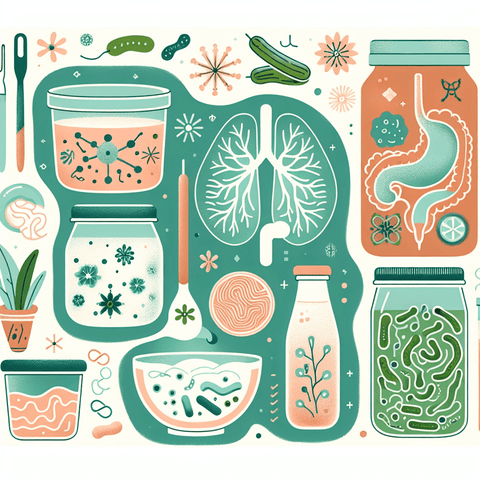
Natural gut boosters is an umbrella term used to describe foods, supplements and lifestyle habits that people consider when they want to support their digestive wellbeing. Rather than referring to a single product or ingredient, the concept brings together several broad areas: a varied, plant-forward diet; fermented foods and probiotics; and everyday routines around sleep, stress, movement and hydration. Because the gut environment responds to many different inputs, most people approach this topic by looking at overall patterns rather than searching for one quick fix. This page provides a high-level map of the topic, explaining the main dimensions of natural gut support and how they relate to each other, so you can explore the more specific guides and articles in this collection with clear context.
Foods and Probiotics as Natural Gut Boosters
When thinking about gut-friendly foods, it helps to view items as categories rather than single recommendations. Commonly discussed categories include fibre-rich plant foods such as vegetables, fruits, legumes and whole grains, as well as fermented options like yoghurt, kefir, sauerkraut and other fermentation-inspired choices. Variety and balance across these patterns matter more than any single item, and different combinations may suit different people depending on context and personal preferences. Probiotics represent the supplement side of the topic. This landscape includes various product types, different strains, and a wide range of labelling practices. Learning how to read labels, noting what information is provided about strains and counts, and weighing quality considerations are all useful skills when navigating this category. If you have specific health concerns, discussing options with a healthcare professional can provide guidance tailored to your situation.
Daily Habits and How to Approach Gut Support
Alongside diet, daily habits form a third pillar of the natural gut boosters topic. Consistent sleep, stress management, regular movement and mindful routines around meals are frequently discussed as part of a practical, balanced approach. None of these habits works in isolation, and small, sustainable changes are generally easier to maintain than dramatic overhauls. A measured, evidence-informed approach works well here: start with one or two adjustments, keep a simple log of how you respond over time, and adjust based on your own experience and credible sources you trust. It is also worth remembering that individual variation is significant, and what feels supportive for one person may not suit another. The rest of this collection explores specific questions in more depth, from individual foods and probiotic considerations to the signs people commonly associate with digestive wellbeing.