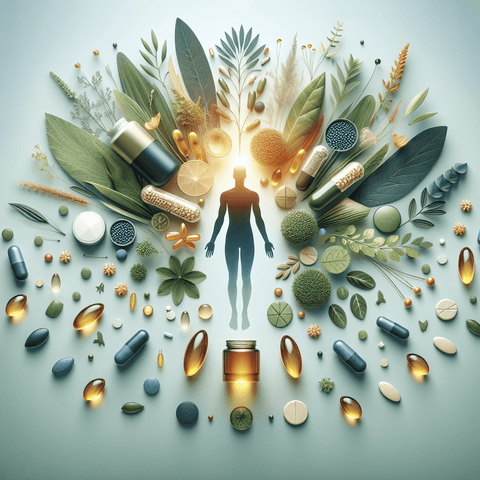
Natural health boosters are simple, everyday habits that support energy, immunity, and overall wellness without relying on quick fixes. In this article, you will learn what natural health boosters actually mean, why everyday habits have such a strong influence on vitality, which seven evidence-informed habits may support steady energy, and how nutrition, lifestyle, and — where relevant — supplementation fit together. Because fatigue has many possible causes, the article also explains when dietary changes may be enough and when professional assessment or nutritional support may be worth considering.
Introduction: What Are Natural Health Boosters?
The term "natural health boosters" describes everyday habits, foods, and lifestyle practices that may support the body's own energy production, recovery, and resilience. Rather than promising instant results, these approaches work gradually by addressing the foundations of wellbeing: sleep, nutrition, hydration, movement, stress management, and light exposure. Understanding how these habits interact helps you make realistic, informed decisions about your energy and long-term wellness.
What Does "Natural Health Boosters" Mean? Key Concepts Explained
At its core, the concept refers to practices that work with the body's natural physiology. Energy is produced in every cell through complex metabolic processes that depend on nutrients, oxygen, sleep, and hormonal balance. Habits that support these processes — consistently and over time — are what most people mean by natural health boosters.
Natural health boosters vs. quick fixes: what actually supports energy
Quick fixes such as excessive caffeine, sugary snacks, or energy drinks may create a short-lived boost, often followed by a dip. In contrast, habits like regular sleep patterns, balanced meals, and daily movement support the underlying systems that generate energy: metabolism, blood sugar regulation, and recovery. The difference is sustainability. Quick fixes borrow energy from later in the day; good habits build a more stable baseline.
How daily habits influence energy, immunity, and overall wellness
Sleep, diet, physical activity, and stress levels influence hormone regulation, immune function, and nutrient status. For example, insufficient sleep can affect appetite-regulating hormones and glucose metabolism, while chronic stress may increase the body's nutritional demands. Because these systems are interconnected, small consistent improvements in several areas often produce more noticeable results than a single dramatic change.
Why Energy and Wellness Depend on Everyday Habits
The connection between nutrition, sleep, movement, and vitality
Energy metabolism requires B vitamins, iron, magnesium, and adequate calories, among other nutrients. Sleep allows physical and mental recovery and helps regulate hormones involved in appetite and stress. Movement improves circulation, insulin sensitivity, and mood. When one of these pillars is neglected, the others often have to compensate, which can leave you feeling drained even if your diet is otherwise reasonable.
Why low energy is one of the most common wellness complaints
Occasional tiredness is a normal part of life, but many people report persistent low energy. Common contributors include irregular sleep, highly processed diets, dehydration, prolonged sitting, chronic stress, and limited daylight exposure — all of which are modifiable through daily habits. This is precisely why lifestyle-focused approaches are usually the first step in addressing fatigue.
Signs Your Energy and Wellness Habits May Need Attention
Common everyday signs of low energy and poor recovery
Frequently reported signs include:
- Needing caffeine to function in the morning
- An afternoon energy dip that is difficult to get through
- Waking unrefreshed despite adequate hours in bed
- Difficulty concentrating or frequent irritability
- Feeling sluggish after meals, particularly refined-carbohydrate-heavy ones
These signs are common and often relate to lifestyle patterns, but they are not diagnostic on their own.
When persistent fatigue warrants a medical check-up
Fatigue that lasts for weeks, worsens over time, or is accompanied by symptoms such as unexplained weight changes, shortness of breath, paleness, fever, or night sweats should be evaluated by a healthcare professional. Conditions such as anemia, thyroid disorders, sleep apnea, depression, and infections can all cause fatigue and require medical assessment rather than self-management alone.
What Drains Your Energy? Common Causes and Contributing Factors
Diet-related factors: skipped meals, blood sugar swings, and nutrient gaps
Skipping meals or relying heavily on refined carbohydrates can cause blood sugar fluctuations that show up as fatigue, irritability, and cravings. Diets low in iron, B vitamins, or magnesium may also contribute to reduced energy metabolism over time, particularly if intake has been consistently inadequate.
Lifestyle factors: stress, poor sleep, and sedentary routines
Chronic stress keeps the body in a state of heightened alertness, which can disrupt sleep and deplete mental reserves. Poor sleep quality — not just duration — affects next-day energy. Long periods of sitting reduce circulation and can paradoxically increase feelings of tiredness, while even light activity tends to improve alertness.
Age, absorption, medications, and other individual influences
Energy levels are also shaped by factors you may not directly control. Nutrient absorption can decline with age or with certain gastrointestinal conditions. Some medications affect the uptake of nutrients such as B12 or iron. Pregnancy, heavy menstrual bleeding, restrictive diets, smoking, and high alcohol intake all influence nutritional needs and energy levels differently from person to person.
Why Energy Needs Differ From Person to Person
Two people with similar lifestyles can have very different energy levels because requirements vary with age, sex, body size, activity level, genetics, sun exposure, and health status. For example, vitamin D status depends heavily on latitude, skin tone, and time outdoors, while iron needs differ between women and men. This variability is one reason symptoms alone cannot confirm a nutrient deficiency — and why testing and professional guidance can be more reliable than guessing when a persistent problem exists.
The 7 Natural Health Boosters: Habits Backed by Nutrition Science
1. Prioritize sleep quality and a consistent routine
Most adults function best with roughly seven to nine hours of sleep, but consistency matters as much as duration. Going to bed and waking at similar times supports circadian rhythm, which influences hormone release, alertness, and next-day energy. A dark, cool bedroom and a wind-down routine free of screens can improve sleep quality for many people.
2. Eat a nutrient-dense, balanced diet
Energy metabolism depends on a steady supply of vitamins, minerals, protein, and complex carbohydrates. Meals built around vegetables, whole grains, legumes, quality protein sources, and healthy fats provide more sustained energy than meals dominated by refined carbohydrates. Regular meal timing also helps stabilize blood sugar throughout the day.
3. Stay hydrated throughout the day
Even mild dehydration is associated with reduced concentration, headaches, and fatigue. Water needs vary with body size, climate, and activity level, but spreading fluid intake across the day — rather than drinking large amounts at once — is generally the most practical approach. Herbal teas and water-rich foods also contribute.
4. Move your body regularly
Regular physical activity improves circulation, mitochondrial function, and mood, and research consistently associates it with higher energy levels over time. This does not require intense training; brisk walking, cycling, or structured exercise most days of the week all count. Breaking up long sitting periods with short movement breaks also helps.
5. Manage stress and support mental recovery
Chronic stress affects sleep, digestion, and appetite, indirectly draining energy. Practices such as mindfulness, breathing exercises, time outdoors, and maintaining social connections have been associated with improved stress resilience. Recovery is not just physical — mental rest is a genuine component of energy.
6. Get sensible daylight exposure
Morning daylight exposure helps anchor the circadian rhythm, supporting both alertness during the day and sleep at night. In regions with limited winter sunlight, low vitamin D status is common, which is one reason daylight — and, where appropriate, vitamin D status awareness — matters for energy and wellbeing.
7. Limit energy disruptors: alcohol, ultra-processed foods, and late caffeine
Alcohol can fragment sleep even when it initially causes drowsiness. Ultra-processed foods often provide calories with fewer micronutrients, and late-day caffeine can delay sleep onset for many hours in sensitive individuals. Reducing these disruptors often amplifies the benefits of the other six habits.
Foods That Act as Natural Health Boosters
Energy-supporting nutrients and their best food sources
A varied diet usually covers most energy-related nutrient needs. Foods particularly relevant to energy metabolism include whole grains, eggs, dairy, lean meats, fish, legumes, nuts, seeds, leafy greens, and colorful vegetables. Eating a diverse range of these foods is more effective than focusing on any single "superfood."
B vitamins, iron, magnesium, and vitamin D: where to find them in the diet
- B vitamins — found in whole grains, eggs, meat, fish, dairy, legumes, and leafy greens; they support converting food into usable energy.
- Iron — present in red meat, poultry, fish, and plant sources such as lentils and spinach; plant-based (non-heme) iron is absorbed better alongside vitamin C.
- Magnesium — found in nuts, seeds, whole grains, legumes, and green vegetables; involved in hundreds of enzymatic reactions, including energy production.
- Vitamin D — available from oily fish, fortified products, and sunlight-driven synthesis in the skin; dietary intake alone is often insufficient, especially in winter.
You can read more about the roles of specific nutrients in our guides to B vitamins, vitamin D, and magnesium.
Where Supplements May Fit Into Your Energy and Wellness Routine
Supplements are not energy boosters in themselves — they provide nutrients that may be missing or in short supply. When the diet already covers requirements, additional supplementation typically offers little benefit. Where intake is genuinely inadequate, however, targeted supplementation can help restore nutritional balance as part of a broader routine.
Nutrients commonly associated with energy metabolism: B vitamins, magnesium, iron, and vitamin D
B vitamins participate directly in energy-yielding metabolism, and adequate intake is essential. Magnesium contributes to normal muscle and nerve function and to reducing tiredness and fatigue, per recognized nutrient claims. Iron is central to oxygen transport, and low iron status is one of the more common nutrition-related causes of fatigue, particularly among women with heavy menstrual bleeding. Vitamin D contributes to normal immune function and muscle function, and insufficiency is widespread in northern climates.
Other popular categories: adaptogens, omega-3s, and probiotics — what the evidence says
Adaptogens such as ashwagandha have traditional use for stress support, and some studies suggest possible benefits for perceived stress, though evidence quality varies and long-term effects are less clear. Omega-3 fatty acids (DHA and EPA) support normal brain and heart function at adequate intakes. Probiotics are studied mainly for digestive and immune health rather than direct energy effects. For each of these categories, it is fair to say that evidence is stronger for some outcomes than others, and none replace foundational habits.
When Supplementation May Be Worth Considering
Situations where diet alone may fall short
Supplementation may be relevant for people with restrictive diets (such as vegans regarding B12), limited sun exposure (vitamin D), increased requirements during pregnancy, reduced absorption due to age or medical conditions, or diagnosed inadequacies confirmed by testing. In these situations, supplements serve to fill a specific gap rather than to enhance an already-adequate intake.
Why testing and professional guidance matter before supplementing
Symptoms such as tiredness are nonspecific — they can have many causes, and symptoms alone cannot confirm which nutrient, if any, is lacking. Blood tests for iron status, vitamin D, or B12 can provide more useful information before starting supplements, particularly for nutrients like iron where excess intake carries risks. Professional guidance helps match supplementation to actual needs.
How to Choose a Quality Energy and Wellness Supplement
Nutrient forms and bioavailability: why they matter
Nutrients come in different chemical forms, and these can differ in absorption or tolerability. For example, magnesium citrate and magnesium bisglycinate are generally better absorbed than magnesium oxide, and methylcobalamin versus cyanocobalamin for B12 matters in specific contexts. That said, evidence does not support one form being universally superior for everyone; the right choice depends on the nutrient, the purpose, and individual tolerance.
Dosage, single-ingredient products, and combination formulas
Check that the amount per serving falls within recognized safe ranges and matches your actual need. Single-ingredient products make it easier to adjust one nutrient at a time, while a well-formulated multivitamin can be convenient for broader coverage. If you use a multivitamin, avoid stacking it with high-dose single supplements of the same nutrients without calculating total intake.
Purity, third-party testing, and certifications
Quality markers include transparent labeling of active ingredient forms and amounts, third-party testing or certification, and clear information about manufacturing standards. Reputable suppliers, such as those featured in our natural supplements collection, typically provide this information openly.
Capsules, tablets, powders, and liquids: which format suits you?
The best format is largely practical: capsules and tablets are convenient and stable; powders allow flexible dosing and suit people who dislike swallowing pills; liquids may be easier for some users but can have shorter shelf life and sometimes require refrigeration. Choose based on your routine, not on marketing claims about "superior absorption" that are not nutrient-specific.
Checking for allergens, additives, and dietary preferences
Review labels for allergens such as gluten, soy, dairy, or shellfish, and for additives like sweeteners, colors, or fillers if you prefer to avoid them. Vegan, vegetarian, or other dietary-specific certifications help ensure the product aligns with your preferences.
How to Read a Supplement Label for Energy and Wellness Products
Serving sizes, active ingredient amounts, and forms explained
Labels list the amount per serving, the chemical form of each nutrient, and the percentage of reference intake values. Pay attention to whether the listed amount refers to the compound itself or only the elemental nutrient (relevant for minerals like magnesium), and check whether the serving size is one capsule or several.
Red flags and marketing claims to look past
Be cautious with products promising instant energy, "curing" fatigue, or dramatic results in days. Vague "proprietary blends" that hide individual doses, exaggerated bioavailability claims without substance, and disease-treatment claims are all reasons for caution. Responsible products describe what nutrients do — supporting normal metabolism, for example — rather than promising outcomes.
Who May Benefit Most From Nutritional Support
Certain groups more often have higher requirements or lower intakes: pregnant women (folate, iron, iodine), older adults (vitamin D, B12), vegans and vegetarians (B12, iron, zinc), people with limited sun exposure (vitamin D), athletes with high training loads, and those with malabsorption conditions. For everyone else, a well-planned diet may be sufficient — nutritional support is a targeted tool, not a universal requirement.
Safety, Interactions, and When to Talk to a Healthcare Professional
Upper intake limits and signs of overdoing it
Water-soluble vitamins are generally excreted when taken in excess, but fat-soluble vitamins (A, D, E, K) and minerals like iron can accumulate. Exceeding upper intake levels over time — for instance, high-dose iron without documented deficiency — can cause harm, from gastrointestinal upset to more serious organ effects. More is not better; adequate is the goal.
Medication interactions and special situations, including pregnancy
Some supplements interact with medications — for example, iron can reduce the absorption of certain antibiotics and thyroid medication, and high-dose vitamin K is relevant for people taking anticoagulants. During pregnancy and breastfeeding, requirements change and some herbs are not recommended, so professional guidance is essential. Anyone with kidney or liver conditions should also consult a healthcare professional before supplementing.
Diet Changes or Supplements? How to Decide What's Right for You
A practical sequence helps most people decide:
- First, evaluate the foundations: sleep, hydration, movement, stress, and overall diet quality.
- Then, assess your intake: a food diary or dietary review can reveal obvious gaps, such as low iron-rich foods or limited oily fish.
- Consider testing for persistent concerns: if fatigue lasts weeks despite good habits, blood tests can clarify whether a nutrient insufficiency or medical issue is involved.
- Supplement specifically, not generically: if a genuine gap exists, choose a targeted product at an appropriate dose rather than stacking multiple high-dose products.
- Reassess periodically: needs change with age, lifestyle, and health status.
Conclusion: Building Your Own Natural Energy Routine
Natural health boosters are not magic products — they are consistent habits that support the systems your body uses to generate and sustain energy: restorative sleep, nutrient-dense food, hydration, movement, stress management, and daylight. Nutritional needs differ from person to person, and for many people a varied diet covers the essentials. Supplementation becomes relevant when specific gaps exist, when requirements are elevated, or when absorption is reduced — and in those cases, informed product choices and professional guidance matter. By starting with the fundamentals and adding targeted support only where it is genuinely needed, you can build an energy routine that is realistic, safe, and sustainable.
Key Takeaways
- Natural health boosters are daily habits — sleep, nutrition, hydration, movement, stress care, and daylight — that support energy gradually rather than instantly.
- Quick fixes like excess caffeine or sugary snacks create short peaks followed by dips; consistent habits build a stable energy baseline.
- Persistent or worsening fatigue should be medically evaluated, as it can have causes beyond lifestyle.
- B vitamins, iron, magnesium, and vitamin D are key nutrients involved in energy metabolism and are best obtained first from a varied diet.
- Nutritional needs vary with age, sex, diet, sun exposure, pregnancy, medication use, and health status — symptoms alone cannot confirm a deficiency.
- Supplementation is most relevant for documented gaps, restrictive diets, limited sun exposure, or increased requirements, not as a universal addition.
- Supplement quality varies: check nutrient forms, doses, third-party testing, and label transparency.
- Avoid exceeding upper intake levels, particularly for iron and fat-soluble vitamins, and check for medication interactions.
- Testing and professional advice are more reliable than guessing when low energy persists despite good habits.
Frequently Asked Questions
What are natural health boosters?
Natural health boosters are everyday habits and practices — such as quality sleep, a nutrient-dense diet, hydration, regular movement, stress management, and daylight exposure — that may support the body's energy production, immunity, and overall resilience over time.
What vitamins help with energy?
B vitamins, iron, and magnesium are directly involved in energy metabolism, while vitamin D supports muscle and immune function. They help most when your intake is inadequate; taking extra amounts beyond your needs does not add energy.
Can supplements give me more energy if I eat well?
If your diet already meets your nutritional needs, additional supplements are unlikely to provide noticeable energy benefits. Supplements work by correcting gaps, not by boosting energy beyond normal physiological function.
What foods naturally fight fatigue?
Foods providing complex carbohydrates, protein, iron, and B vitamins — such as whole grains, eggs, legumes, lean meat, fish, nuts, and leafy greens — support steady energy. Pairing plant-based iron sources with vitamin C-rich foods improves absorption.
How much water do I need for good energy?
Needs vary with body size, climate, and activity, but spreading intake across the day and responding to thirst covers most people. Even mild dehydration is associated with reduced concentration and increased fatigue.
When should I be concerned about tiredness?
If fatigue persists for several weeks despite adequate sleep and nutrition, or occurs with symptoms like unexplained weight change, paleness, breathlessness, or night sweats, see a healthcare professional. These signs warrant assessment rather than self-treatment.
Should I take a vitamin D supplement in winter?
In regions with limited winter sunlight, vitamin D insufficiency is common, and many health authorities advise consideration of supplementation during darker months. Testing can clarify your individual status, especially if you rarely get midday sun exposure.
Which form of magnesium is best absorbed?
Forms such as magnesium citrate and magnesium bisglycinate are generally well absorbed, while magnesium oxide is poorly absorbed and more often used for its laxative effect. No single form is best for everyone; tolerability and purpose matter.
Can you take too much of energy-related supplements?
Yes. Iron, vitamin A, and vitamin D can reach harmful levels with excessive intake, and even B6 at high doses over long periods can affect nerves. Stay within recommended upper limits and avoid combining multiple high-dose products without checking totals.
Do adaptogens like ashwagandha really work?
Some studies suggest ashwagandha may help with perceived stress, but evidence quality varies and long-term data is limited. It is not a substitute for stress-management habits or medical care, and it should be avoided in some situations, including pregnancy.
How long before I feel a difference from better habits?
Sleep and hydration changes can affect how you feel within days. Nutritional improvements, especially if correcting a low nutrient status, may take several weeks to months. Persistent tiredness beyond that timeframe deserves professional evaluation.
Is a multivitamin enough to cover energy nutrients?
A quality multivitamin can help cover baseline needs of B vitamins, vitamin D, and minerals, but doses are often modest and may not correct a significant deficiency. Testing and targeted supplementation may be more appropriate when a specific gap exists.
Related Keywords
- natural health boosters
- how to boost energy naturally
- daily habits for more energy
- vitamins for energy and fatigue
- B vitamins and energy metabolism
- vitamin D and tiredness
- iron deficiency and fatigue
- magnesium for energy support
- foods that fight fatigue
- supplements for energy and wellness
- adaptogens for stress support
- sleep and energy levels
- how to choose a quality supplement
- signs of low energy and poor recovery