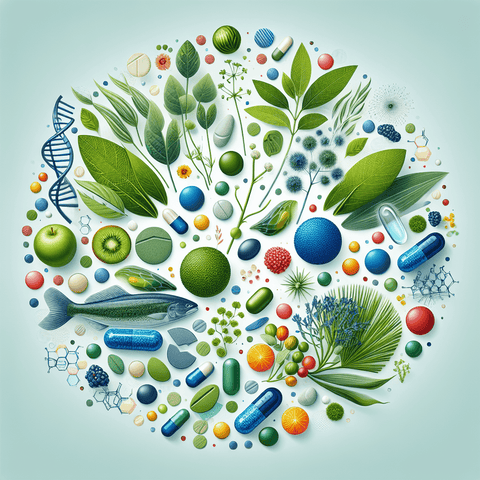
Natural health enhancers represent a broad and fascinating field. It’s an umbrella term that encompasses the foods we eat, the supplements we might consider, the habits we build, and the environments we create to support our body’s natural ability to thrive. This guide serves as your starting point, a high-level map to help you navigate this expansive topic. We'll explore what the term really means, the major areas it covers—from key nutrients to lifestyle practices—and how to approach it all with a thoughtful, informed perspective.
What Are Natural Health Enhancers?
At its core, the concept of natural health enhancers is about supporting the body's inherent systems. It's not about a single miracle pill or extreme protocol, but rather a holistic approach that combines several elements. These enhancers can be broadly grouped into a few categories: nutritional choices, such as a diet rich in fruits, vegetables, and whole grains; lifestyle patterns, including regular sleep and exercise; and specific compounds, like vitamins, minerals, and plant extracts, often found in supplements. The emphasis is on working with your body's natural processes to promote vitality, energy, and immune function, rather than relying on artificial or drastic measures.
Researchers study these enhancers by looking at their impact on various physiological functions. For example, they might investigate how a particular nutrient influences energy metabolism or how a consistent sleep schedule affects immune markers. This field is vast, and the quality of evidence varies. Therefore, a critical eye is necessary when evaluating any claim. A genuinely 'natural' approach involves not just what you consume, but how you live your life, making consistent choices that collectively contribute to a stronger, more resilient you.
The Core Pillars of Natural Health Enhancement
Nutrition and Key Nutrients
The food we eat is the primary fuel for our bodies. A diet that prioritizes whole, unprocessed foods provides a wide array of vitamins, minerals, and antioxidants that act as natural health enhancers. These nutrients play vital roles in everything from energy production to immune defense. For instance, vitamins like C and D are well-known for their role in supporting immunity, while minerals like Magnesium are involved in hundreds of biochemical reactions, including energy creation and muscle function. You can explore a wide range of options in ournatural supplement collection.
Lifestyle and Daily Routines
Beyond nutrition, how we structure our days has a profound effect on our health. Consistent, restorative sleep allows the body to repair and regenerate. Regular physical activity, whether it's a daily walk or a structured workout, improves cardiovascular health, mood, and energy levels. Even simple practices like spending time in nature or managing stress with mindfulness can significantly enhance your overall sense of vitality. These routines are not just add-ons; they are fundamental components of a natural health enhancement strategy. The key is consistency and gradual, sustainable implementation.
Targeted Supplementation
In a perfect world, our diet alone would provide everything we need. However, due to factors like soil depletion, busy lifestyles, and individual needs, many people turn to supplements to fill in the gaps. This can include a foundational multivitamin, a specific mineral like Magnesium, or a botanical extract such asTurmeric known for its traditional use. The range of products is extensive, from omega-3 fatty acids found in fish oil to probiotics for gut health and amino acids for muscle support. When considering a supplement, it is crucial to prioritize quality, research the ingredient, and understand that it is meant to 'supplement' a healthy lifestyle, not replace it. You can learn more about foundational options through ourguide to multivitamins.
How to Evaluate Natural Health Enhancers
With so much information available, it's easy to become overwhelmed or swayed by hype. Developing a critical mindset is one of the most valuable skills you can have. Here are a few principles to guide your evaluation:
- Look for evidence-based information from credible scientific sources and authoritative health organizations.
- Be wary of claims that promise miraculous results or sound too good to be true. Health enhancement is usually a gradual process.
- Check for proper sourcing and testing, especially for supplements, ensuring they are from reputable manufacturers.
- Understand the difference between a well-established fact and a preliminary finding or a long-standing traditional use.
- Pay attention to your own body. If you are considering a new practice or product, track your experiences and note any changes.
Remember that these enhancers are tools to support health, not guarantees. A thoughtful, individualized approach—one that considers your unique circumstances—is typically the most effective and safe path.
Exploring This Topic Further
This page provides a broad overview of natural health enhancers. The world of wellness is detailed, and many specific topics—from the benefits of a single herb to the nuanced differences between mineral forms—warrant a deeper look.
The goal is to equip you with the foundational understanding needed to explore these more specific subjects with confidence. Continue your journey by reading our detailed articles on individual nutrients and practices, and feel empowered to make informed decisions that align with your personal health goals. The path to vitality is a personal one, and the resources available here are designed to support your exploration.