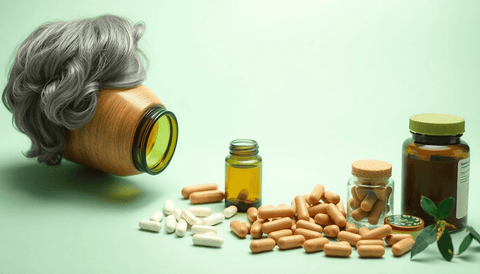
Hormonal fluctuations are a normal part of a woman's life, yet the symptoms that sometimes accompany them—fatigue, mood changes, irregular cycles, sleep disturbances—can significantly affect daily wellbeing. The search for natural hormone support for women reflects a growing interest in nutrition, lifestyle, and botanical approaches that may help the body maintain its own hormonal balance. This article explains how female hormones work, which factors can disrupt them, what diet and lifestyle strategies have evidence behind them, when supplementation may be worth considering, and how to evaluate hormone support products critically and safely.
What Does "Natural Hormone Support for Women" Actually Mean?
"Natural hormone support" refers to non-pharmaceutical approaches—nutrition, sleep, stress management, exercise, and in some cases dietary supplements and herbs—aimed at helping the body maintain healthy hormonal function. It is not a medical treatment for hormonal disorders, but rather a broad framework for supporting the underlying systems that influence hormone production, metabolism, and signaling.
How Hormones Work in the Female Body
Hormones are chemical messengers produced by glands such as the ovaries, adrenal glands, thyroid, and pituitary. Estrogen and progesterone dominate the menstrual cycle, while cortisol, thyroid hormones, insulin, and melatonin influence energy, metabolism, mood, and sleep. These systems are interconnected: nutrients provide the raw materials for hormone synthesis, blood sugar regulation affects insulin, and the brain's hypothalamus coordinates much of the feedback loop. Because of this interdependence, "hormonal balance" is less about a single hormone and more about the smooth functioning of an entire network.
The Difference Between "Support" and "Treatment"
It is important to distinguish support from treatment. Supporting hormonal health means giving the body the nutrients, rest, and conditions it needs to regulate itself. Treatment—such as hormone replacement therapy (HRT) or medication for conditions like thyroid disease or PCOS—requires medical diagnosis and supervision. Natural approaches may complement medical care, but they should never replace evaluation for suspected hormonal conditions, particularly when symptoms are persistent or severe.
Why Hormonal Balance Matters for Women's Health
The Role of Hormones in Energy, Mood, and Sleep
Estrogen and progesterone influence neurotransmitters such as serotonin and GABA, which helps explain why hormonal shifts can coincide with mood changes, irritability, or anxiety. Thyroid hormones set the pace of metabolism and energy production, while cortisol and melatonin govern the sleep-wake rhythm. When these signals fall out of sync, the effects often appear first as fatigue, disrupted sleep, or reduced stress resilience rather than as obvious "hormone" symptoms.
Hormones Across Life Stages: Menstrual Cycle, Perimenopause, and Menopause
Hormonal needs are not static. During the reproductive years, estrogen and progesterone rise and fall across the monthly cycle, and some women notice predictable changes in energy, appetite, and mood. In perimenopause—the transitional years before menopause, often beginning in the 40s—fluctuations become more erratic and can include hot flashes, sleep disturbances, and mood swings. After menopause, permanently lower estrogen levels influence bone density, cardiovascular health, and body composition. Each stage presents different support needs, which is why a one-size-fits-all approach rarely works.
Common Signs That May Point to Hormonal Fluctuations
Many symptoms that prompt women to seek hormone support overlap considerably with those of stress, poor sleep, iron deficiency, or thyroid conditions. Symptoms alone cannot establish a hormonal cause, but recognizing patterns is a reasonable first step.
Fatigue, Brain Fog, and Low Libido
Persistent tiredness, difficulty concentrating, and reduced libido are commonly reported during periods of hormonal change. However, these symptoms are non-specific: they may also relate to sleep quality, nutrient status (including iron, vitamin B12, or vitamin D), stress load, or underlying medical conditions. Persistent fatigue warrants investigation rather than self-treatment.
Irregular Cycles, PMS, and Hot Flashes
Cycle irregularity, intensified premenstrual symptoms, and hot flashes are more directly tied to hormonal fluctuations. Occasional variation in cycle length is normal, particularly in the late 30s and 40s. Heavier bleeding, cycles consistently shorter than 21 or longer than 35 days, or sudden cessation of menstruation deserve medical assessment.
When Symptoms Warrant a Medical Evaluation
Seek professional care if symptoms are severe, rapidly worsening, or accompanied by unexplained weight change, excessive hair growth or loss, galactorrhea (milk production outside breastfeeding), fainting, or bleeding between periods. These can signal conditions—thyroid disorders, PCOS, hyperprolactinemia, or endometrial abnormalities—that require diagnosis and cannot be addressed through lifestyle measures alone.
What Can Throw Hormones Out of Balance?
Chronic Stress and Cortisol
The adrenal hormone cortisol follows a daily rhythm—high in the morning, lower at night. Chronic psychological or physical stress keeps cortisol elevated or disrupts this pattern, which can interfere with sleep, appetite regulation, and reproductive hormone signaling. Research suggests prolonged stress is associated with menstrual irregularity and worsened PMS, though the relationship is complex and varies between individuals.
Poor Sleep and Circadian Disruption
Sleep deprivation and irregular schedules (shift work, late-night screen exposure) affect melatonin, cortisol, insulin sensitivity, and appetite hormones. Studies of shift workers show disrupted circadian rhythms are associated with menstrual irregularities and metabolic changes. Consistent sleep timing is one of the most underrated hormonal "interventions."
Gut Health, Blood Sugar, and Inflammation
The gut microbiome plays a role in estrogen metabolism—certain gut bacteria influence how much estrogen is reabsorbed versus excreted. Meanwhile, diets high in refined carbohydrates can drive blood sugar swings and elevated insulin, which may affect ovarian hormone production. Chronic low-grade inflammation, linked to obesity and highly processed diets, is also associated with altered hormone signaling. These pathways explain why gut health and metabolic health are increasingly relevant to hormone discussions.
Why Hormone Needs Differ From Woman to Woman
Age and Life Stage
A 25-year-old with irregular cycles, a 42-year-old in early perimenopause, and a 60-year-old post-menopause have distinctly different physiology. Iron needs drop after menopause, while calcium, vitamin D, and protein become more important for bone and muscle maintenance. Nutrient requirements and relevant support strategies shift accordingly.
Stress Load and Lifestyle
Women juggling high work demands, caregiving, intensive exercise, or irregular eating may have greater physiological stress burden. Athletes with low energy availability can experience suppressed reproductive hormones (functional hypothalamic amenorrhea), a situation requiring nutritional rehabilitation rather than herbal support.
Underlying Health Conditions and Medications
Thyroid disorders, PCOS, endometriosis, diabetes, and depression all influence hormonal health, as do medications including hormonal contraceptives, antidepressants, corticosteroids, and thyroid medication. Anyone with a diagnosed condition or on regular medication should discuss supplements with a healthcare provider before use, as interactions are possible.
Diet and Lifestyle Strategies for Natural Hormone Support
Before considering supplements, food and lifestyle form the foundation—and for many women, they are sufficient.
Key Nutrients and Foods That Support Hormone Production
Hormone synthesis depends on adequate intake of healthy fats (cholesterol and fatty acids are precursors to steroid hormones), protein, and micronutrients. Practical food priorities include:
- Omega-3 sources such as oily fish (salmon, mackerel, sardines), walnuts, and flaxseed
- Magnesium-rich foods including leafy greens, nuts, seeds, legumes, and whole grains
- B vitamins from whole grains, eggs, legumes, meat, and fish
- Zinc and iron from meat, shellfish, legumes, and pumpkin seeds
- Fiber-rich vegetables and whole grains, which support blood sugar stability and estrogen metabolism via the gut
- Protein at each meal to support satiety, muscle mass, and stable energy
Eating Patterns That Help Stabilize Blood Sugar and Cortisol
Blood sugar stability influences insulin, and insulin interacts with reproductive hormones. Regular, balanced meals containing protein, fiber, and healthy fats tend to produce steadier energy than grazing or skipping meals. Highly refined carbohydrates and sugary drinks consumed on their own can cause sharp glucose swings. Some women also find that limiting caffeine late in the day improves sleep quality, indirectly supporting cortisol rhythm.
Sleep, Movement, and Stress Management as Hormonal Tools
Consistent sleep and wake times, 7–9 hours of sleep, regular moderate exercise, and stress-reduction practices (mindfulness, breathing exercises, time outdoors) all have plausible and partly evidenced links to healthier hormonal patterns. Resistance training is particularly valuable in midlife for muscle and bone health, which are sensitive to declining estrogen. There is no supplement that can compensate for chronic sleep deprivation or unmanaged stress.
Nutrients and Botanicals Relevant to Hormone Support
Several nutrients and botanicals appear frequently in hormone support formulas. The evidence base varies considerably between them.
B Vitamins, Magnesium, and Vitamin D
B vitamins (especially B6) participate in neurotransmitter synthesis and energy metabolism; some research suggests B6 supplementation may modestly reduce premenstrual symptoms, though study quality varies. Magnesium is involved in hundreds of enzymatic reactions, and some studies suggest it may help with menstrual cramps and mood symptoms—though results are mixed. Vitamin D functions partly as a hormone itself and is involved in immune and ovarian function; low status is common, especially in northern climates and in winter. Learn more in our vitamin D guide or explore magnesium supplements.
Omega-3 Fatty Acids and Zinc
Omega-3 fatty acids (EPA and DHA) support cell membrane function and are involved in producing anti-inflammatory signaling molecules; some research associates higher omega-3 intake with reduced menstrual pain and mood symptoms, though evidence is not definitive. Zinc contributes to normal fertility, hormone metabolism, and immune function—an overview can be found in our minerals guide. Omega-3 options are covered in our omega-3 collection.
Adaptogenic Herbs and Phytoestrogens: What the Evidence Says
Ashwagandha has been studied for stress and cortisol; several small trials suggest it may reduce perceived stress and cortisol levels, though larger studies are needed. Phytoestrogens—plant compounds like the isoflavones in soy and red clover—weakly bind estrogen receptors. Research on soy isoflavones suggests possible benefit for hot flash frequency in some menopausal women, though results are inconsistent. Other botanicals used around menopause, such as black cohosh, have mixed evidence and possible liver-related safety concerns in rare cases. Herbal products are not standardized medicines; potency and safety depend heavily on quality and sourcing, which is discussed further in our herbal supplements guide.
When Supplementation May Be Worth Considering
Gaps in Dietary Intake and Increased Life-Stage Demands
Supplements make the most sense where a specific gap exists: low vitamin D due to limited sun exposure, insufficient omega-3 intake in people who rarely eat fish, increased magnesium needs with heavy sweating or restricted diets, or higher demands during perimenopause and postmenopause (calcium, vitamin D for bone health). A general diet may be sufficient for many women, and supplementation is situation-dependent rather than universal.
Signs Your Diet May Not Be Enough
Clues worth taking seriously include very restrictive diets, heavy menstrual bleeding (which increases iron loss), vegan or vegetarian diets without careful planning (B12, iron, zinc, omega-3), minimal sun exposure, or chronic high stress. Blood testing—typically for vitamin D, B12, ferritin (iron stores), and thyroid markers—provides far more reliable information than symptom-based guessing, and can prevent unnecessary supplementation or reveal a condition needing medical care.
How Supplements Differ From Hormone Replacement Therapy
Dietary supplements supply nutrients or botanicals; they do not contain estrogen or progesterone and cannot replace lost ovarian hormone production. HRT is a medically supervised treatment with established efficacy for menopausal symptoms, but also specific risks and contraindications. Supplements may modestly support the body's own regulation, but should never be viewed as a substitute for HRT when HRT is clinically indicated—or vice versa. The two approaches address different needs.
How to Choose a Quality Hormone Support Supplement
Ingredient Forms and Bioavailability
Forms matter. Magnesium glycinate or citrate are generally better absorbed and gentler on digestion than magnesium oxide. Methylated B vitamins (methylcobalamin, methylfolate) suit many people, though some individuals respond differently. For omega-3s, the triglyceride form is well absorbed, and look for a stated EPA/DHA content rather than just "fish oil" grams. Avoid products making "bioenhanced" claims without supporting data.
Single-Ingredient Formulas vs. Blends
Single-nutrient products (e.g., standalone magnesium or vitamin D) make it easy to control dosage and identify tolerability. Blends are convenient but make it harder to reach therapeutic doses of each ingredient or to pinpoint which component causes a side effect. A blend is acceptable when doses of each ingredient are meaningful; it becomes problematic when it spreads too little of too many ingredients across a few capsules.
Third-Party Testing, Purity, and Added Ingredients
Look for products from manufacturers using third-party testing (e.g., independent laboratory verification), transparent labeling, and minimal fillers, allergens, artificial colors, or unnecessary additives. Check whether the product is vegan, gluten-free, or allergen-free if relevant to you. EU- and NL-regulated supplements generally follow stricter limits on vitamin and mineral doses than some US products, which affects what can legally be included.
How to Read a Hormone Support Supplement Label
Understanding Ingredient Amounts and Ratios
Check the exact amount of each active ingredient per serving and compare it to the nutrient reference value (NRV) and to the doses used in research. For minerals, note the elemental amount (e.g., 500 mg magnesium, not 500 mg magnesium citrate). For omega-3s, focus on combined EPA + DHA per serving, not the total oil weight.
Spotting Proprietary Blends and Underdosed Ingredients
A "proprietary blend" lists ingredients without individual amounts—meaning you cannot verify whether any of them is dosed effectively. This is a red flag in hormone support products, where effective doses (e.g., magnesium, ashwagandha extract) are reasonably well established in research. If you cannot determine the dose of an ingredient with studied effects, be skeptical of the product's value.
Which Delivery Form Works Best: Capsules, Powders, or Liquids
Capsules and tablets are convenient, stable, and dose-precise; tablets sometimes contain more binders. Powders suit people who dislike swallowing capsules and allow flexible dosing, but can have taste or stability drawbacks. Liquids offer fast absorption in principle, though differences in practical outcomes are modest for most nutrients. Choose the form you will actually take consistently—adherence matters more than marginal bioavailability advantages.
Who May Benefit Most From a Hormone Support Supplement
Women in Perimenopause or Menopause
Women in perimenopause and postmenopause are the group most likely to benefit from targeted nutrients—particularly calcium, vitamin D, magnesium, and omega-3s—for bone, muscle, and cardiovascular support during and after estrogen decline. Botanicals like soy isoflavones or black cohosh may modestly help some women with hot flashes, with variable results.
Women Under Chronic Stress
Women with persistently high stress loads may consider magnesium and, if relevant, ashwagandha—though these should complement, not replace, stress-management practices. Addressing sleep, workload, and recovery remains primary.
When Lab Testing and Professional Guidance Can Help
If symptoms are persistent, affect quality of life, or don't respond to basic diet and lifestyle improvements, seek medical evaluation. Blood tests for thyroid function, iron status, vitamin D, and (where clinically indicated) sex hormones provide objective information that symptom checklists cannot. A GP, gynecologist, or registered dietitian can help interpret results in context.
Safety, Side Effects, and Interactions to Be Aware Of
Potential Risks of Excessive Intake
More is not better. Excessive zinc over time can cause copper deficiency; high-dose vitamin D carries hypercalcemia risk; excessive B6 over long periods has been associated with peripheral neuropathy. Stick to recommended doses, respect established upper intake levels, and avoid stacking multiple products containing the same nutrients.
Interactions With Medications and Medical Conditions
Omega-3s in high doses can have mild blood-thinning effects; phytoestrogens may be inadvisable for women with certain estrogen-sensitive conditions; ashwagandha may interact with thyroid medication, sedatives, and immunosuppressants. St. John's wort (sometimes included in "mood" formulas) interacts with many medications, including hormonal contraceptives and antidepressants. Always check with a pharmacist or doctor if you take prescription medication.
Who Should Avoid These Supplements
Pregnant or breastfeeding women should only use supplements specifically formulated and approved for that stage—many botanicals are not safe in pregnancy. People with kidney or liver disease, hormone-sensitive cancers, or autoimmune conditions should consult a specialist before using herbal hormone products. Supplements are not intended for children without professional guidance.
How to Decide If Natural Hormone Support Is Right for You
When Diet and Lifestyle Are Likely Enough
If you sleep well, eat a varied diet rich in whole foods, manage stress reasonably, and have mild or occasional symptoms, upgrading your diet and routine is probably the most effective step. Supplementation would add little on top of good fundamentals.
Key Factors to Weigh Before Buying a Supplement
Before purchasing, ask: Do I have a plausible nutrient gap? Is the specific ingredient dosed at a level supported by research? Is the form bioavailable? Is the brand transparent about testing and sourcing? Am I already taking products with overlapping ingredients? If the answers are unclear, a dietitian or pharmacist can help.
When to Consult a Healthcare Provider
Consult a provider before starting supplements if you are pregnant, breastfeeding, taking prescription medication, managing a chronic condition, or if symptoms are significant and unexplained. This is not only a safety issue—it also ensures that conditions requiring treatment are not missed.
The Bottom Line on Natural Hormone Support for Women
Natural hormone support for women is fundamentally about giving the body what it needs to regulate itself well: adequate nutrition, stable blood sugar, quality sleep, movement, and stress management. Hormonal changes across the menstrual cycle, perimenopause, and menopause are normal, and symptoms vary widely between individuals. Supplementation has a genuine but specific role—filling identified nutrient gaps, supporting life-stage needs, and in some cases offering modest symptom relief through botanicals. It is not a cure-all, not a substitute for medical evaluation of persistent symptoms, and not a replacement for hormone therapy where that is clinically appropriate. The most reliable path is to strengthen the dietary and lifestyle foundation first, use targeted supplements where there is a clear rationale, and seek professional assessment when symptoms are significant or unexplained.
Key Takeaways
- Hormonal health depends on an interconnected system of reproductive, thyroid, adrenal, and metabolic hormones—not a single "balancing" input.
- Common symptoms like fatigue, brain fog, PMS, and hot flashes overlap with many other causes; symptoms alone cannot diagnose a hormonal problem.
- Chronic stress, poor sleep, blood sugar instability, and gut health all influence hormonal regulation and are modifiable through lifestyle.
- A nutrient-rich diet with adequate protein, healthy fats, fiber, magnesium, B vitamins, zinc, and omega-3s forms the foundation of hormone support.
- Supplements are most useful for identified gaps—such as low vitamin D, insufficient omega-3 intake, or increased needs in perimenopause and postmenopause.
- Botanicals like ashwagandha and soy isoflavones show modest, mixed evidence for stress and menopausal symptoms; quality and dosing vary widely between products.
- Supplements are not hormone replacement therapy and cannot substitute for medically indicated treatment.
- Avoid proprietary blends, check exact doses and ingredient forms, and prefer third-party-tested products.
- Pregnancy, breastfeeding, chronic illness, and prescription medications all warrant professional advice before using hormone support supplements.
- Persistent or severe symptoms deserve medical evaluation—blood testing provides objective information that symptoms cannot.
Frequently Asked Questions
What does natural hormone support for women actually involve?
It refers to non-pharmaceutical approaches—nutrition, sleep, stress management, exercise, and sometimes supplements or herbs—that may help the body maintain healthy hormonal function. It is a support framework, not a medical treatment for diagnosed hormonal disorders, which require professional care.
What are the signs of hormonal imbalance in women?
Commonly reported signs include irregular cycles, PMS, fatigue, mood changes, sleep problems, hot flashes, and changes in libido or weight. These symptoms are non-specific and can also stem from stress, poor sleep, nutrient deficiencies, or thyroid conditions, so persistent symptoms warrant medical evaluation rather than self-diagnosis.
Can diet really influence hormone balance?
Yes, in several ways. Nutrients such as healthy fats, protein, magnesium, B vitamins, zinc, and omega-3s are involved in hormone synthesis and signaling, while fiber and gut health affect estrogen metabolism. Blood sugar stability also interacts with insulin and reproductive hormones. Diet cannot override conditions like menopause or thyroid disease, but it meaningfully shapes the body's regulatory environment.
Which vitamins are most relevant for women's hormone health?
Vitamin D, B vitamins (particularly B6), and magnesium are the most frequently relevant. Vitamin D functions partly as a hormone and is commonly low in low-sunlight regions; B6 and magnesium have been studied in relation to premenstrual symptoms with mixed results. Testing vitamin D status is more reliable than guessing.
Do adaptogenic herbs like ashwagandha actually help with stress hormones?
Several small clinical trials suggest ashwagandha may reduce perceived stress and cortisol levels, but studies are limited in size and quality, and long-term safety data is incomplete. It should complement—not replace—stress-management practices, and may interact with thyroid medication and sedatives.
Are phytoestrogens safe, and can they help with hot flashes?
Phytoestrogens such as soy isoflavones weakly mimic estrogen and some research suggests they may modestly reduce hot flash frequency in menopausal women, though evidence is inconsistent. They are generally safe in food amounts for most women, but those with hormone-sensitive conditions should consult a doctor before using concentrated phytoestrogen supplements.
Can supplements replace hormone replacement therapy (HRT)?
No. Supplements do not contain estrogen or progesterone and cannot replace ovarian hormone production. HRT is a medically supervised treatment with proven efficacy for menopausal symptoms. Supplements may provide supportive nutrients or modest botanical effects, but they address a different need and should not be viewed as an HRT substitute.
Should I get blood tests before taking hormone support supplements?
It is often worthwhile. Testing vitamin D, B12, ferritin (iron stores), and thyroid markers provides objective information that symptom checklists cannot, and can reveal deficiencies that are actually causing symptoms or conditions needing medical treatment. A GP or dietitian can help interpret results.
How long does it take to see results from natural hormone support?
It depends on the approach and the person. Lifestyle changes affecting sleep and stress can influence how you feel within weeks, while correcting a nutrient deficiency (e.g., low iron or vitamin D) may take two to three months. Botanical effects on menopausal symptoms, where present, typically require several weeks of consistent use.
Can I take too much of a hormone support supplement?
Yes. Excess zinc can cause copper deficiency, high-dose vitamin D risks hypercalcemia, and long-term high-dose vitamin B6 has been linked to nerve damage. Stay within recommended doses, check upper intake levels, and avoid stacking multiple products containing the same nutrients.
Are hormone support supplements safe during pregnancy or breastfeeding?
Most botanical hormone-support products are not considered safe during pregnancy or breastfeeding, and requirements for many nutrients change substantially in these stages. Only use supplements specifically formulated for pregnancy or lactation, and always consult a midwife, doctor, or pharmacist first.
What should I look for on a hormone support supplement label?
Look for exact amounts of each active ingredient per serving, well-absorbed ingredient forms (e.g., magnesium glycinate rather than oxide), no proprietary blends, minimal fillers and allergens, and evidence of third-party testing. Avoid products where effective doses of key ingredients cannot be verified.
Related Keywords
- natural hormone support for women
- balance hormones naturally
- hormonal balance for women
- hormone support supplements for women
- perimenopause natural remedies
- menopause supplements
- adrenal support for women
- vitamins for hormonal imbalance
- ashwagandha for stress and cortisol
- phytoestrogens for hot flashes
- magnesium for PMS
- omega-3 for hormonal health
- diet for hormone balance
- signs of hormonal imbalance in women
- natural menopause symptom relief