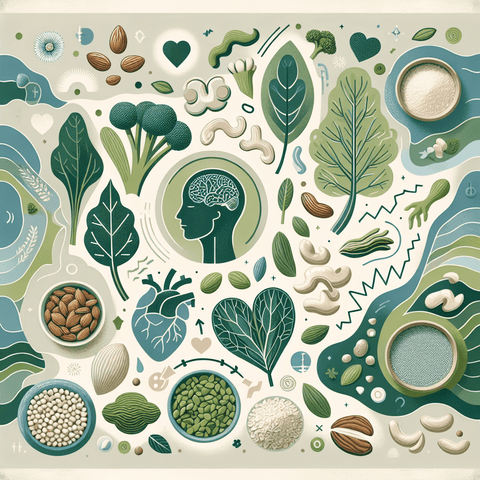
Magnesium is an essential mineral involved in hundreds of bodily functions, including muscle and nerve function, blood sugar regulation, and bone health. In recent years, natural magnesium sources have gained attention for their potential role in supporting sleep quality and daytime energy. This guide provides a broad overview of the best magnesium-rich foods, your daily needs, the different forms of supplements, and key considerations for using them safely.
What Are Natural Magnesium Sources?
Natural magnesium sources are whole foods that contain this important mineral in a form your body can use. Unlike isolated or heavily processed foods, these sources also provide other beneficial nutrients like fiber and various vitamins. Incorporating a variety of them into your diet is a foundational strategy for supporting your overall wellness.
Top Magnesium-Rich Foods
While magnesium supplements can be helpful, focusing on food first is the best approach. Here are some of the richest natural sources to include in your meals.
- Leafy greens: Spinach, Swiss chard, and kale are excellent sources. A single cup of cooked spinach provides about 157 mg of magnesium.
- Nuts and seeds: Almonds, cashews, pumpkin seeds, and sunflower seeds are nutrient-dense options. A small handful of pumpkin seeds offers nearly half of the daily recommendation.
- Whole grains: Brown rice, quinoa, oats, and whole wheat bread contribute meaningful amounts of magnesium, along with fiber and B vitamins.
- Legumes: Black beans, chickpeas, lentils, and kidney beans are versatile and rich in magnesium, protein, and fiber.
- Seafood: Fatty fish like salmon and mackerel provide magnesium along with heart-healthy omega-3 fatty acids.
- Other sources: Dark chocolate, avocado, and tofu are also good ways to boost your intake.
How Much Magnesium Do You Need Daily?
The recommended daily allowance for magnesium varies by age and gender. Adult men generally need about 400–420 mg per day, while adult women require about 310–320 mg. Needs may increase during pregnancy, lactation, or intense physical activity. Most people can meet these needs through a balanced diet, but some may fall short—especially if they consume many processed foods or have underlying health conditions.
Which Food Has the Highest Magnesium?
Pumpkin seeds are among the richest sources, providing about 168 mg per ounce. Other top sources include spinach, Swiss chard, almonds, black beans, and dark chocolate. Including a variety of these foods is the most effective way to meet your daily needs.
While a banana is a convenient source, it provides only about 32 mg of magnesium, which is roughly 8–10% of the daily recommendation. It should be combined with other magnesium-rich foods to make a meaningful impact on your intake.
The Connection Between Magnesium, Sleep, and Energy
Magnesium is a key player in the biochemical processes that govern both sleep and energy. It helps regulate the nervous system and supports the production of melatonin, the hormone that controls your sleep-wake cycle. Additionally, it acts as a cofactor in creating ATP, the primary energy molecule in your cells. This means that adequate magnesium intake is foundational for both a good night's rest and maintaining daytime energy levels.
Signs of Low Magnesium
Magnesium deficiency can manifest in various ways. Potential signs include muscle cramps, fatigue, anxiety, sleep disturbances, and headaches. Other symptoms may include numbness, tingling, or abnormal heart rhythms. Over time, low magnesium could also affect bone health. If you notice these symptoms, it's essential to review your dietary intake and discuss your concerns with a healthcare professional.
A Deep Dive into Magnesium Supplementation
While diet is the best starting point, some people may have difficulty meeting their magnesium goals through food alone. Conditions like digestive disorders, certain medication use, or heavy physical training can increase your need for this essential mineral. In such cases, a high-quality supplement may be a safe and effective way to support your intake. Our selection of magnesium products is a good place to start if you're considering supplementation.
Popular Forms of Magnesium
There are several forms of magnesium, each with different uses:
- Magnesium Glycinate: Often used to help support sleep and relaxation.
- Magnesium Citrate: May be helpful for general digestion and absorption.
- Magnesium L-Threonate: A form that may be supportive for brain and cognitive health.
Safety Considerations and Potential Side Effects
Magnesium from food is generally safe, even in higher amounts. However, excessive intake from supplements can cause digestive upset, diarrhea, and nausea. More concerning, but rare, risks include an irregular heartbeat and low blood pressure, especially in those with kidney problems. Always start with a low dose and consult with a healthcare provider before adding a new supplement to your routine, especially if you take blood pressure or other prescription medications.
Factors Affecting Magnesium Absorption
Even if you eat a magnesium-rich diet, your body may not absorb all of the mineral. Several factors can reduce its availability, including the phytates found in whole grains and legumes. Digestive issues, like celiac disease or inflammatory bowel disease (IBS), can also compromise absorption. Conversely, adequate vitamin D and a healthy gut can help support proper magnesium utilization. This context is relevant when addressing your overall wellness plan.
Key Takeaways for Improving Your Magnesium Intake
- Prioritize Whole Foods: Focus on leafy greens, nuts, seeds, legumes, and whole grains.
- Know Your Daily Goal: Most adults need 310–420 mg daily, but individual needs can vary.
- Consider Supplements: Use them to fill gaps when your diet isn't enough.
- Consult a Professional: Talk to a doctor or dietitian before starting a new supplement.
Exploring More Nutritional Guides at Topvitamine
Enhancing your diet with the right nutrients is a journey. If you're looking for more generic guidance on dietary supplements, you can explore our natural supplement collection. For a deeper understanding of other essential minerals, our mineral supplement guide may support your wider health journey.
Before starting any new supplement regime, it is important to have a conversation with your healthcare provider to determine the right form and dosage for your health needs. With the right diet and, when necessary, a high-quality supplement, you can better support your sleep, energy, and overall well-being.