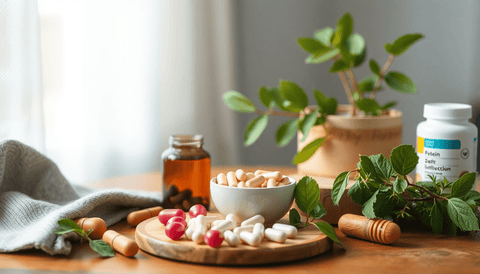
Natural menopause remedies are non-hormonal approaches—lifestyle changes, dietary adjustments, and evidence-informed supplements—that many women use to ease hot flashes, night sweats, and low energy during the menopausal transition. In this guide, you'll learn why these symptoms occur, which strategies have the strongest support, how key nutrients and herbal extracts fit in, and how to judge whether a supplement is worth taking. Because symptom severity and nutritional needs vary widely from person to person, the goal here is not a one-size-fits-all prescription but a practical framework for finding what genuinely works for you.
What Are Natural Menopause Remedies—and Do They Actually Work?
Natural menopause remedies range from simple cooling techniques and stress management to dietary changes, targeted nutrients, and standardized herbal extracts. The honest answer on effectiveness is that they are not all equal. Some approaches—such as weight management, reducing alcohol and caffeine, cognitive behavioral therapy, and regular exercise—have reasonable evidence supporting them. Others, like certain herbal supplements, show mixed or modest results in clinical studies, and a few popular remedies lack meaningful evidence altogether.
It's also important to frame expectations correctly. "Natural" does not automatically mean mild or risk-free, and non-hormonal does not mean ineffective or automatically superior to hormone therapy. For many women with mild to moderate symptoms, lifestyle-based remedies provide noticeable relief. For others, particularly when symptoms significantly disrupt sleep and daily life, a conversation with a healthcare provider about all available options—including medical treatments—is the most responsible step. Natural remedies work best as a first line and as a complement, not as a replacement for professional care when symptoms are severe.
Why Menopause Causes Hot Flashes, Night Sweats, and Fatigue
The Role of Hormonal Shifts in Body Temperature Regulation
Hot flashes and night sweats—collectively called vasomotor symptoms—are the hallmark of the menopausal transition. As ovarian estrogen production fluctuates and eventually declines, the hypothalamus, the brain's temperature-regulation center, appears to become more sensitive to small changes in body temperature. The result is a narrowed "thermoneutral zone": a slight internal temperature shift can trigger a sudden heat-dissipation response, with blood vessel dilation, skin warmth, sweating, and sometimes palpitations. Estrogen also interacts with neurotransmitters such as serotonin and norepinephrine, which are thought to be involved in this temperature-control process.
How Sleep Disruption Contributes to Daytime Exhaustion
The fatigue many women describe during perimenopause and menopause is often secondary to poor sleep. Night sweats can wake you repeatedly, and even without full awakening, temperature fluctuations fragment sleep and reduce time in restorative deeper sleep stages. Over weeks and months, this accumulated sleep debt manifests as daytime exhaustion, reduced concentration, and low mood—which in turn can make hot flashes feel more intense. Addressing night sweats and sleep quality is therefore one of the highest-impact "energy remedies" available, sometimes more effective than any supplement aimed at fatigue itself.
First-Line Lifestyle Strategies for Managing Hot Flashes
How Layering Clothing and Cooling Techniques Provide Immediate Relief
Because the thermoneutral zone is narrowed, small environmental changes can meaningfully reduce symptom frequency and intensity. Practical measures include dressing in removable layers, keeping your bedroom cool (many women find 16–19°C comfortable), using breathable natural-fiber bedding, and keeping a fan nearby at work and at night. Carrying a cold drink, applying a cool compress at the first sign of a flash, and avoiding sudden transitions from a warm environment to a warm room can all help. These techniques don't change the underlying hormonal shifts, but they reduce the triggers that push body temperature over the threshold.
The Impact of Stress and Breathing Techniques on Flash Frequency
Stress is a well-recognized trigger for hot flashes, likely because stress hormones influence the same brain pathways involved in temperature regulation. Slow, paced abdominal breathing—roughly six to eight breaths per minute, practiced when a flash begins and regularly throughout the day—has been shown in some studies to reduce hot flash intensity and bother. Structured stress-reduction practices such as mindfulness-based programs have also been associated with improved symptom-related distress and quality of life, even when flash frequency itself changes modestly. Reducing the perceived intensity and disruption of flashes is a meaningful outcome in itself.
Does Regular Exercise Help or Worsen Hot Flashes?
The relationship between exercise and hot flashes is nuanced. Some studies find that regular moderate exercise improves sleep, mood, and overall menopausal quality of life, while effects on flash frequency are more modest and inconsistent. Interestingly, exercise is itself a trigger for some women—though this short-term effect differs from the long-term benefits of a consistently active lifestyle. For most women, the recommendation is to maintain regular moderate activity, potentially adjusting timing (e.g., avoiding vigorous exercise close to bedtime) if it appears to provoke evening symptoms. Exercise also delivers indirect benefits—weight management, sleep quality, mood, and bone and muscle health—that compound over the menopausal years.
Dietary Changes That May Ease Menopause Symptoms
Phytoestrogens in Soy and Flaxseed: What the Evidence Shows
Phytoestrogens are plant compounds that weakly bind estrogen receptors. Soy isoflavones and lignans in flaxseed are the most studied food sources. Evidence suggests that regular consumption of soy foods is associated with reduced hot flash frequency and severity in some populations, with effects generally described as modest. Notably, women in Asian countries with high lifelong soy intake report fewer vasomotor symptoms, though genetic, dietary, and gut-microbiome differences in converting isoflavones to active forms may explain why responses vary. Including whole soy foods (tofu, edamame, tempeh, soy milk) and a tablespoon or two of ground flaxseed is a low-risk dietary strategy worth trying consistently for several weeks to assess individual response.
The Link Between Spicy Foods, Caffeine, and Alcohol with Hot Flashes
Certain foods and drinks act as common triggers, though sensitivity is individual. Spicy foods raise core body temperature and can initiate a flash; caffeine acts as a stimulant and can dilate blood vessels; alcohol—particularly red wine for many women—is one of the most frequently reported triggers and also worsens sleep quality. Keeping a simple symptom diary for two to three weeks, noting meals, drinks, stress, and flash timing, is the most reliable way to identify your personal triggers rather than avoiding everything speculatively.
Hydration and Its Role in Temperature Regulation
Sweating during hot flashes and night sweats results in real fluid loss. Adequate hydration supports thermoregulation and helps offset the fatigue associated with even mild dehydration. There is no evidence that extra water reduces flash frequency, but replacing what is lost—roughly an extra glass or two on heavy-symptom days—is sensible. Prioritizing water and herbal teas over caffeine and alcohol offers a double benefit: hydration without the two most common dietary triggers.
Why Night Sweats Disrupt Sleep and How to Improve Sleep Quality
Cognitive Behavioral Therapy Techniques for Insomnia
Cognitive behavioral therapy for insomnia (CBT-I) is considered a first-line, non-pharmacological treatment for chronic insomnia at any age and has shown specific benefit in menopausal women. It typically includes stimulus control (using the bed only for sleep), sleep restriction (temporarily limiting time in bed to consolidate sleep), and cognitive restructuring (challenging anxious thoughts about sleep that keep you awake). Studies in menopausal populations suggest CBT-I improves insomnia severity, and it may also modestly reduce the bothersomeness of hot flashes. Accessing CBT-I through a trained professional, structured self-help programs, or validated digital programs is worthwhile if poor sleep persists beyond a few weeks.
Practical Sleep Hygiene Adjustments for the Menopausal Years
Sleep hygiene works best alongside CBT principles. Useful adjustments include keeping the bedroom cool and dark, using moisture-wicking sleepwear and layered bedding you can shed quickly, keeping a change of clothes and water at the bedside, avoiding alcohol and heavy meals within three hours of bedtime, limiting caffeine after midday, and getting bright light exposure in the morning to stabilize your circadian rhythm. If night sweats wake you, getting up briefly to cool down rather than lying in damp bedding often shortens the disruption.
Body Weight and Metabolism: Why Energy Drops During Menopause
The Connection Between Changing Hormones and Muscle Mass
Many women notice weight gain and reduced energy during the menopausal transition even without major dietary changes. The decline in estrogen is associated with a shift in body fat distribution toward the abdomen, a modest reduction in resting metabolic rate, and accelerated loss of muscle mass—particularly when physical activity is low. Because muscle is metabolically active tissue, losing it reduces daily energy expenditure and can contribute to feelings of sluggishness and reduced physical capacity. Blood sugar fluctuations and insulin sensitivity changes during this period may also contribute to energy dips.
Strength Training and Its Effect on Energy and Flash Frequency
Resistance training is one of the most underused natural remedies for the metabolic changes of menopause. Regular strength training two to three times per week helps preserve and rebuild muscle mass, supports bone density—important since the postmenopausal drop in estrogen accelerates bone loss—and is associated with improved energy, mood, and body composition. Some research also suggests physically active women report fewer and less bothersome vasomotor symptoms over time. Combining resistance work with adequate dietary protein offers a compounding benefit for both energy and long-term health.
Key Nutrients That Support Hormonal Balance and Energy
No nutrient "treats" menopause, but several play supporting roles in areas where menopausal women commonly have increased needs or lower intake: bone health, energy metabolism, and antioxidant protection. Whether supplementation is useful depends on your dietary pattern and, ideally, your actual nutritional status.
Vitamin E and Its Traditional Use for Hot Flashes
Vitamin E has a long history of traditional use for menopausal symptoms, and some small clinical studies have suggested it may modestly reduce hot flash severity—though the evidence is limited and mixed, and it should not be considered a proven remedy. Vitamin E's more established role is as an antioxidant supporting cell health. Food sources include nuts, seeds, and vegetable oils. Women considering a supplement should note that high-dose vitamin E is not advisable; exceeding recommended intakes over long periods is associated with potential risks, so moderate doses from food or a balanced supplement are the sensible approach. More on vitamin E benefits and safety can help inform that decision.
Calcium and Vitamin D for Long-Term Bone Health
After menopause, falling estrogen accelerates bone loss, making calcium and vitamin D among the most relevant nutrients for midlife women. Adequate vitamin D status also supports muscle function and may contribute to overall wellbeing during this life stage. Food sources of calcium include dairy, fortified plant milks, leafy greens, and tinned fish with bones; vitamin D comes from oily fish, fortified foods, and, importantly, sunlight—though synthesis declines with age and is limited in winter months at higher latitudes. Many postmenopausal women do not meet vitamin D recommendations through diet alone, which is why supplementation is commonly considered. See our guide to vitamin D sources and safety and calcium for bone and muscle health for details on forms and intake.
B Vitamins and Their Role in Energy Metabolism
B vitamins—including B6, B12, and folate—support energy-yielding metabolism, red blood cell formation, and nervous system function. They don't create energy directly, but inadequate intake can contribute to fatigue, which is why a balanced B-complex intake matters during a period when tiredness is already common. Requirements can vary: absorption of vitamin B12 declines with age, and restrictive diets may limit intake. A comprehensive B vitamin guide covers food sources and when a supplement may be relevant.
Which Herbal Supplements Have the Most Evidence for Hot Flashes?
Several botanicals have been studied for vasomotor symptoms. The honest summary: evidence is mixed for most, with black cohosh and sage showing the most consistent (though still modest) signals. Quality of the extract matters enormously in this category, which is why understanding standardization is essential.
Black Cohosh: Does Research Support Its Use?
Black cohosh (Actaea racemosa, previously Cimicifuga racemosa) is one of the most studied herbal remedies for menopausal symptoms, traditionally used for hot flashes and night sweats. Clinical trial results are mixed: some studies suggest modest benefit comparable in feel to low-impact approaches, while well-designed trials have found it no better than placebo. Meta-analyses generally describe the evidence as inconclusive. Importantly, black cohosh appears to work without estrogenic activity, making it a subject of ongoing interest. Rare reports of liver injury exist, so anyone with liver conditions or unexplained symptoms such as dark urine or jaundice while using it should stop and seek medical advice.
Sage Extract for Sweating and Night Sweats
Sage (Salvia officinalis) has a long tradition of use for excessive sweating, and several small clinical studies suggest standardized sage extract may reduce the severity and frequency of night sweats and hot flashes compared with placebo. While the trials are limited in size, the direction of evidence is relatively consistent for sweating specifically. Sage extract is generally well tolerated at typical supplemental doses; it should not be confused with essential oil, which contains concentrated thujone and is not for internal use.
Red Clover and Isoflavone Supplements: What to Expect
Red clover contains isoflavones similar to those in soy, and concentrated extracts have been studied for hot flashes. Systematic reviews suggest possible modest reductions in flash frequency for some women, but results are inconsistent across trials. As with soy foods, individual differences in gut bacteria that convert isoflavones into active forms likely explain much of the variability. Effects, when they occur, typically take four to twelve weeks to become noticeable.
DIM (Diindolylmethane) and Other Estrogen-Metabolism Supporters
DIM is a compound derived from the digestion of indole-3-carbinol, found in cruciferous vegetables like broccoli and Brussels sprouts. It is marketed for supporting estrogen metabolism, and preliminary laboratory research suggests it may influence how estrogen is metabolized in the body. However, clinical evidence that DIM supplementation improves menopausal symptoms in humans is limited, and it should be viewed as an emerging, not established, option. Eating cruciferous vegetables regularly provides these compounds in their natural context. Anyone with a hormone-sensitive condition should discuss DIM with their doctor before use.
When to Consider Supplementation for Menopause Symptoms
How Long Your Dietary Intake Can Realistically Bridge
A well-constructed diet—rich in soy foods or flaxseed, calcium sources, oily fish or fortified foods, nuts, and vegetables—can cover a substantial portion of menopausal nutrient needs and provide many of the "remedies" described above in their most natural form. For vitamin D, however, diet alone often falls short, especially in winter or with limited sun exposure. A reasonable approach is to give consistent dietary and lifestyle changes at least six to eight weeks before evaluating whether a gap remains.
Determining Whether a Nutrient Insufficiency May Be Present
Symptoms alone are a poor guide to nutritional status—fatigue, for example, has many possible causes besides low B12 or vitamin D. Blood testing for vitamin D status (and, where clinically indicated, B12) provides far more reliable information than guessing. This is especially valuable before high-dose supplementation. Discussing testing with a healthcare provider is a sensible step if fatigue, low mood, or low energy persist despite adequate sleep and lifestyle measures, both to rule out nutrient insufficiency and to check other treatable causes such as thyroid dysfunction or anemia.
How to Choose a High-Quality Menopause Supplement
Standardized Extracts vs. Whole-Herb Powders
For botanicals like black cohosh and sage, standardization matters. A standardized extract guarantees a defined content of the marker compound (for example, a specified triterpene glycoside content in black cohosh), meaning every dose delivers what the label states—and what the clinical studies used. Whole-herb powders vary widely in active content depending on growing conditions and processing, making consistent effects difficult. For herbs, choosing extracts that match the form and dose used in research is the most evidence-aligned approach.
Nutrient Forms and Their Absorption: Why the Type Matters
Nutrient form affects both absorption and tolerability. For minerals, chelated forms such as calcium citrate are often gentler on digestion than carbonate and don't require stomach acid for absorption—relevant for women taking acid-reducing medications. For vitamin D, cholecalciferol (vitamin D3) is generally preferred over D2 for raising and maintaining blood levels. Magnesium forms vary too, with citrate and glycinate commonly better tolerated than oxide. These differences don't make any single form universally "best," but they do matter for digestibility and practical results. Our general supplement quality overview explains these principles in more depth.
The Problem with Proprietary Blends and Underdosed Ingredients
A common tactic in multi-ingredient "menopause formulas" is the proprietary blend: a combined ingredient list with only a total weight disclosed, hiding how much of each herb or nutrient is actually present. This frequently means key ingredients are underdosed relative to the amounts used in studies—sometimes by a large margin. Choose products that list every active ingredient with its individual amount, and compare those amounts against the doses used in clinical research. A product with three meaningful ingredients beats one with twenty token doses.
Reading a Menopause Supplement Label: Key Things to Verify
Identifying the Active Compound and Its Concentration
Look for the botanical name (e.g., Salvia officinalis, Actaea racemosa), the plant part used, the extract ratio or standardization, and the amount per daily serving. A label reading "sage leaf extract 280 mg, standardized" tells you far more than "sage 500 mg" of unspecified powder. The same scrutiny applies to vitamins and minerals: check both the form and the dose against recognized reference values.
Evaluating the Serving Size and Instructions
Check whether the stated dose is per capsule or per daily serving, and how many capsules that serving requires. A "200 mg" capsule taken four times daily is not the same as one convenient capsule. Clear usage instructions, sensible timing guidance (e.g., with food for fat-soluble vitamins or minerals that can cause digestive upset), and realistic expectations on the label are all signs of a responsibly formulated product.
Spotting Unnecessary Fillers, Preservatives, and Allergens
Scan the "other ingredients" list for allergens relevant to you (gluten, soy, dairy, gelatin) and unnecessary additives. Short, purposeful ingredient lists—coupled with third-party quality testing or GMP-certified manufacturing—indicate a brand invested in purity and consistency. Our herbal supplements safety and sourcing guide covers what to look for when buying botanical products.
Who Should Be Cautious About Herbal Supplements for Menopause?
Interactions with Medications and Hormone-Sensitive Conditions
Herbal remedies are biologically active and can interact with medications. Black cohosh carries rare reports of liver toxicity and may interact with some medications; isoflavone supplements can theoretically interact with thyroid medication (spaced dosing is advised) and with blood thinners such as warfarin. If you take any prescription medication, manage a chronic condition, or are considering combining products, review them with a pharmacist or physician first.
Safety Considerations for Women with a History of Breast Cancer
Women with a current or previous hormone-sensitive cancer—particularly breast cancer—should consult their oncologist before using any phytoestrogen-containing supplement (soy isoflavones, red clover) or botanical marketed for hormonal effects, including DIM. Although food-level soy intake is generally considered safe and may even be protective for survivors, concentrated isoflavone supplements are a different exposure level and are not automatically equivalent to dietary soy. Black cohosh, because it lacks estrogenic activity, is often discussed in this population, but the decision should be made with a specialist, not from a supplement label.
How to Decide If Natural Remedies Are Enough for You
When Lifestyle Changes Provide Sufficient Symptom Relief
If your hot flashes are infrequent, night sweats are occasional, and sleep and energy are broadly acceptable after eight to twelve weeks of consistent lifestyle changes—cool environment, trigger management, regular exercise including strength training, a soy- or flaxseed-inclusive diet, and stress reduction—then natural remedies may well be sufficient for you. Periodically reassessing your approach is worthwhile, since symptoms often fluctuate through the transition.
When Professional Medical Assessment May Be the Smartest Next Step
Some situations clearly warrant medical input: symptoms that significantly disrupt sleep or daily functioning, very frequent or severe vasomotor symptoms, new or worsening low mood or anxiety, persistent unexplained fatigue, or symptoms that began after rather than during the menopausal transition. Hormone therapy remains the most effective treatment for moderate-to-severe hot flashes and may be an appropriate option for many healthy women within ten years of menopause—considering it does not mean your natural efforts failed. A healthcare provider can also check for other causes of symptoms, such as thyroid dysfunction, anemia, or medication side effects, and can guide safe supplement use if you have medical conditions.
The Bottom Line: Natural Menopause Remedies That Work Together
The most effective natural approach to menopause symptoms is layered, not singular. A cool sleep environment and trigger awareness form the foundation; regular exercise—including strength training—addresses the metabolic side of energy and long-term bone and muscle health; dietary patterns rich in phytoestrogens, calcium, and quality protein support symptoms and nutritional needs; and targeted supplements such as standardized sage or black cohosh extracts, or vitamin D where intake is inadequate, fill specific gaps. Individual response varies considerably, so track what changes and give each strategy several weeks before judging it. And remember that needing a medical treatment is not a failure—natural remedies and professional care are complementary tools, and combining them thoughtfully is often the smartest path to reclaiming your comfort and energy.
Key Takeaways
- Hot flashes and night sweats result from hormonal shifts that narrow the brain's temperature-control zone; lifestyle measures reduce how often that threshold is crossed.
- Sleep disruption is a major driver of menopausal fatigue—addressing night sweats and sleep quality often does more for energy than any supplement.
- Keeping the bedroom cool, dressing in layers, and identifying personal triggers (alcohol, caffeine, spicy foods) are simple, high-impact first steps.
- Slow paced breathing and CBT-based insomnia techniques have evidence for reducing flash bothersomeness and improving sleep.
- Regular exercise, especially strength training, supports muscle mass, bone density, mood, and long-term energy during and after menopause.
- Soy foods and flaxseed provide phytoestrogens that may modestly reduce hot flashes for some women, though responses vary.
- Among herbal supplements, standardized sage and black cohosh extracts have the most consistent—but still modest—evidence for vasomotor symptoms.
- Calcium and vitamin D are among the most nutritionally relevant nutrients after menopause, mainly for bone health; vitamin D deficiency can be checked with a blood test.
- Choose supplements with standardized, individually dosed ingredients; avoid proprietary blends that hide underdosing.
- Women with hormone-sensitive cancer, liver conditions, or prescription medications should consult a healthcare provider before using herbal menopause supplements.
- Severe symptoms, persistent low mood, or unexplained fatigue warrant professional assessment rather than more self-treatment.
Frequently Asked Questions
What are the most effective natural remedies for hot flashes?
The best-supported non-hormonal approaches include keeping the environment cool, managing triggers like alcohol and caffeine, regular moderate exercise, weight management, paced breathing, and cognitive behavioral therapy. Among supplements, standardized sage and black cohosh extracts show the most consistent—though modest—research signals. Individual response varies, so tracking what works over several weeks is worthwhile.
How long before natural remedies start working?
Environmental changes and trigger avoidance can help within days. Dietary phytoestrogens and herbal extracts typically need four to twelve weeks of consistent use before any effect becomes noticeable. If nothing has changed after two to three months, reassess the approach or consult a healthcare provider.
Does black cohosh really work for menopause symptoms?
Evidence is mixed. Some trials report modest reductions in hot flashes, while others find no benefit over placebo, and reviews generally call the evidence inconclusive. It appears non-estrogenic and is generally well tolerated, but rare liver-related reports mean it should be avoided by anyone with liver disease and stopped if liver-related symptoms appear.
Which foods naturally help with menopause symptoms?
Soy foods (tofu, tempeh, edamame, soy milk) and ground flaxseed provide phytoestrogens that may modestly reduce hot flashes. Calcium-rich foods, oily fish, nuts, seeds, and plenty of vegetables support bone health and overall nutrient intake. Alcohol, caffeine, and spicy foods are common triggers worth reducing if your symptom diary implicates them.
Can vitamin D deficiency make menopause symptoms worse?
Vitamin D deficiency is common in midlife and contributes to fatigue, muscle weakness, and bone loss, but there is no strong evidence it causes hot flashes. Correcting a deficiency is valuable for bone and muscle health regardless, and a simple blood test can establish whether your levels are adequate.
Are herbal menopause supplements safe with breast cancer history?
Concentrated phytoestrogen supplements (soy isoflavones, red clover) and hormone-metabolism products like DIM should not be used without oncology input if you have a history of hormone-sensitive cancer. Dietary soy foods are generally considered safe in this population. Black cohosh is often discussed as non-estrogenic, but the decision should be made with your specialist.
What's the difference between standardized extracts and ordinary herb powders?
A standardized extract guarantees a defined content of active compounds in every dose, matching what clinical studies typically use. Whole-herb powders vary widely in potency depending on the plant material and processing, making consistent effects difficult to achieve. For menopause botanicals, standardized extracts are generally the more reliable choice.
How much exercise is enough during menopause?
General guidelines recommend at least 150 minutes of moderate aerobic activity per week plus muscle-strengthening exercise on two or more days. Strength training is especially important for preserving muscle and bone during the menopausal transition. Adjust timing if vigorous sessions close to bedtime seem to provoke night sweats.
Can stress really trigger hot flashes?
Yes—stress is one of the most commonly reported triggers, and stress hormones act on the same brain pathways involved in temperature regulation. Slow paced breathing and mindfulness practices have been shown to reduce flash intensity and bother, even when frequency changes less dramatically.
Do I need a supplement if I eat a healthy diet?
Not necessarily. A varied diet rich in whole foods can cover most nutrient needs, but vitamin D often falls short through diet alone, especially in winter or with limited sun exposure. A blood test is the most reliable way to determine whether any real gap exists before supplementing.
Can I take too much of menopause supplements?
Yes. Fat-soluble vitamins (A, D, E, K) accumulate in the body, calcium and some herbs have established upper limits, and black cohosh carries rare liver-related risks. Never exceed label doses, avoid "megadose" products, and tell your doctor about all supplements you take, especially before surgery or if you take medications.
When should I see a doctor instead of self-treating?
Seek professional advice if symptoms severely disrupt sleep or daily life, if low mood or anxiety is significant, if fatigue persists despite good sleep and lifestyle measures, or if you take prescription medications or have a chronic condition. Hormone therapy and other medical options are effective and may be appropriate, and a clinician can also rule out other causes such as thyroid problems or anemia.
Related Keywords
- natural menopause remedies
- natural remedies for hot flashes
- night sweats remedies menopause
- menopause fatigue natural treatment
- herbal supplements for menopause
- black cohosh hot flashes
- sage extract night sweats
- phytoestrogens soy menopause
- vitamin D menopause bone health
- CBT insomnia menopause
- menopause sleep hygiene tips
- supplements for menopausal women
- strength training menopause energy
- how to stop hot flashes naturally