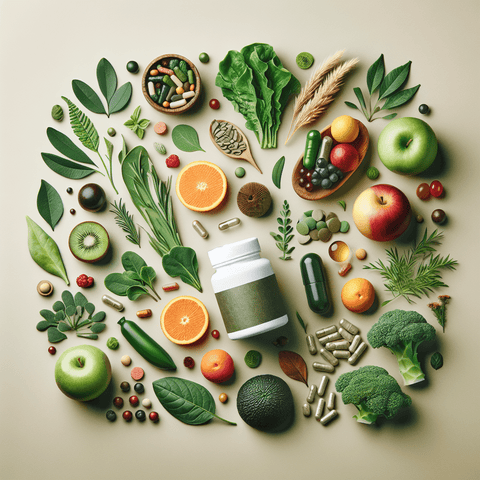
Vitamins and minerals are fundamental to nearly every process in the human body. With busy schedules and modern dietary habits, many people wonder if they are getting enough of these essential nutrients. This guide explores what a natural multivitamin is, why the source of your nutrients matters, and how such a formula can support your daily nutrition plan. We will examine the science behind micronutrient gaps, discuss the importance of a food-first strategy, and help you understand what to look for in a high-quality supplement.
Understanding Natural Multivitamins
Defining a natural multivitamin is the first step toward making an informed choice. The term is often used loosely, but in the context of supplements, it typically refers to how the nutrients are sourced and processed.
Plant-Based vs. Synthetic Sources
A natural multivitamin is generally formulated to provide nutrients derived from whole foods, such as fruits, vegetables, and herbs, rather than exclusively from isolated synthetic compounds. While synthetic vitamins are often chemically identical to their natural counterparts, a plant-based formula offers a broader spectrum of beneficial compounds, including phytonutrients and antioxidants, which work synergistically with vitamins and minerals.
Terminology on Labels
Knowing the terminology on a label can help you decode what's actually inside the bottle. Common terms include:
- Whole-Food: Indicates nutrients come from concentrated whole foods, not isolated extracts.
- Plant-Based: Means ingredients are derived from plants, distinct from animal products or petroleum derivatives.
- Fermented: Some brands ferment nutrients with probiotics or yeast to potentially enhance absorption.
- Organic: Refers to how the plant ingredients were grown, without synthetic pesticides or fertilizers.
The Role of Multivitamins in Everyday Health
Micronutrients are crucial for the processes that turn food into usable fuel. Inside your cells, mitochondria generate energy in a process that depends heavily on B-vitamins, magnesium, and other cofactors. A natural multivitamin that provides these essential components can help ensure your body has the raw materials it needs for efficient energy production.
Why Nutrient Gaps Occur
Maintaining optimal nutrient levels is challenging with a standard modern diet. Even with a relatively healthy diet, you may still miss key nutrients. Several factors contribute to this:
- Modern agricultural practices have led to mineral depletion in soil.
- Highly processed diets often displace more nutrient-dense whole foods.
- Chronic stress and physical activity increase the body's demand for certain nutrients.
- Lifestyle habits like alcohol consumption and smoking can deplete nutrient stores.
Individual Nutrient Needs
Nutrient requirements are highly individual, varying by age, sex, genetics, and lifestyle. For example, menstruating women need more iron, while older adults often need more calcium and vitamin D. Digestive health also plays a crucial role, as conditions like IBS or low stomach acid can impair absorption. Your genetic code can even influence how well you convert nutrients into their active forms.
Dietary Strategies to Maximize Nutrient Intake
Before considering a supplement, it's essential to optimize your diet. Food provides a complex array of nutrients and fiber that supplements cannot replicate.
To build a nutrient-dense diet, focus on a colorful variety of whole foods.
- Leafy Greens: Spinach, kale, and Swiss chard are packed with magnesium, vitamin K, and folate.
- Berries: Blueberries and strawberries are excellent sources of antioxidants and vitamin C.
- Cruciferous Vegetables: Broccoli and Brussels sprouts provide vitamin C, vitamin K, and fiber.
- Legumes: Lentils and chickpeas are rich in iron, magnesium, and B-vitamins.
- Nuts and Seeds: Almonds and chia seeds are great sources of vitamin E, magnesium, and healthy fats.
Food combinations can also affect absorption. Consuming vitamin C-rich foods with iron-rich plant foods boosts iron absorption. Similarly, fat-soluble vitamins like D and K require dietary fat for proper absorption. A simple self-audit of your typical daily intake can reveal whether your diet provides a foundation of nutrients before you consider a supplement.
Key Nutrients to Look For
A well-formulated natural multivitamin should provide a broad spectrum of essential nutrients. When looking at labels, you should see a full range of B-vitamins, vitamins C, D, E, and K, along with key minerals like magnesium, zinc, and calcium. For more detailed guidance, you can explore our comprehensive multivitamin guide.
The Importance of B-Complex, Vitamin D, Magnesium, and Zinc
These particular nutrients are often at the top of the list for everyday health. B-vitamins are essential for energy production and brain function, while vitamin D supports immune and bone health. Magnesium is involved in over 300 bodily reactions, including muscle and nerve function, and zinc is crucial for immunity. Your selection of a natural multivitamin should place a high priority on these four. You can also review the Vitamin D benefits, sources, and safety collection for more context.
How to Choose a Natural Multivitamin
With countless options on the market, selecting a high-quality natural multivitamin can feel overwhelming. Understanding what sets a superior formula apart is key to making a beneficial choice.
Quality of Ingredients and Bioavailability
Your body often uses whole-food blends more efficiently than isolated synthetic nutrients. Look for a product that uses food-based ingredients rather than just listing a series of isolated chemicals. The quality of the ingredient forms is another critical factor. A high-quality formula will use methylated forms of folate (5-MTHF) and B12 (methylcobalamin), which are more bioavailable than their synthetic counterparts. Minerals should ideally be chelated, meaning they are bound to an amino acid for better absorption. For more on this topic, the Vitamin B benefits page provides further context.
Understanding Potency and Dosage
You don't always need a supplement that provides 100% of the Daily Value for every nutrient. In some cases, a level of 50-80% from a highly bioavailable food source is more effective than 200% of a poorly absorbed synthetic form. Look for a formula that provides meaningful, moderate amounts of the most critical vitamins and minerals, rather than megadosing on a few trendy nutrients.
Reading the Supplement Facts Panel
The Supplement Facts panel is the most important part of the label. It lists all active ingredients, the amount per serving, and the % Daily Value. Pay attention to the serving size—a "serving" may be two capsules, not one. Be wary of "proprietary blends," as they don't reveal the exact amount of each ingredient. Also be cautious if the label lists generic "mineral" blends without specifying the exact chemical form, as this can indicate lower quality.
Format, Purity, and Certifications
Consider your personal preferences when choosing a format. Capsules are easy to swallow and often contain fewer additives, while powders can be convenient for smoothies. Look for a product tested by a third-party organization like USP, NSF, or ConsumerLab. Certifications like "Non-GMO," "Vegan-Friendly," and "Gluten-Free" can help ensure the product aligns with your dietary standards. Reviewing the Nature's Plus supplement line can show how a brand presents these quality markers.
Safety, Interactions, and Considerations
Even natural supplements can be powerful, and it's important to treat them with respect.
Understanding Upper Limits
Vitamins and minerals have established Upper Intake Levels (ULs). Exceeding these levels can lead to toxicity. Because a multivitamin contains many nutrients, it's wise to be cautious and avoid taking multiple high-potency supplements that could cause you to unintentionally exceed these limits.
Potential Interactions with Medications
Certain nutrients can interact with common medications. For example, vitamin K can interfere with blood thinners, and calcium can reduce the absorption of thyroid medications. If you are taking any prescription medication, you should discuss your supplement plan with your pharmacist or doctor to avoid potentially harmful interactions.
Special Life Stages and Diets
Nutrient needs vary significantly across different life stages and dietary patterns. Vegans and vegetarians need to be especially mindful of vitamin B12 and iodine, while older adults often require more vitamin D and B12. Those with food allergies must check labels carefully for common allergens. A natural multivitamin can be a useful safety net for people with restrictive diets or higher physical demands.
It is important to distinguish between using a multivitamin for general well-being and treating a diagnosed deficiency. For a general purpose, a broad-spectrum multivitamin at a moderate dose is often appropriate. For a specific deficiency, a doctor will typically recommend a therapeutic-dose supplement of a single nutrient. Always consult a healthcare professional before starting any new supplement, especially if you have underlying health conditions.
Making a Confident Decision
Deciding whether to add a multivitamin should be a methodical process. Take a moment to reflect on your typical eating habits. If you often skip meals, rely on takeout, or eat the same few foods repeatedly, a multivitamin is more likely to be beneficial. If you already eat a highly nutritious, varied diet, a supplement may be redundant.
Your supplement should reflect your specific diet and health goals. If your primary goal is energy support, you'll want a formula rich in B-vitamins and magnesium. If you are focused on immunity, you'll want more vitamin C, D, and zinc. For a deeper dive into how different compounds affect the body, the Magnesium benefits page and Vitamin C page are useful resources.
Supplements work best when taken consistently. Try to make your multivitamin a part of your morning ritual, perhaps placing the bottle next to your coffee maker as a visual reminder. Taking it with a meal that contains some fat can also improve the absorption of fat-soluble vitamins.
Key Takeaways
- A natural multivitamin is formulated with nutrients derived from whole foods, offering a complex matrix of beneficial compounds that may be more easily utilized by the body.
- Micronutrients are essential for cellular energy production; deficiencies can manifest as persistent fatigue and low stamina.
- Modern diets, high in processed foods, combined with soil depletion, can lead to nutrient insufficiencies.
- Nutrient needs are highly individual, varying by age, sex, genetics, and lifestyle.
- Optimizing your diet with a wide variety of colorful whole foods is the critical first step before supplementation.
- A multivitamin is best viewed as insurance to cover dietary gaps, not as a substitute for a poor diet.
- When selecting a product, prioritize high-quality forms like methylated B-vitamins and chelated minerals, and look for third-party testing.
Frequently Asked Questions
What is the most natural multivitamin?
A natural multivitamin is a supplement that derives its vitamins and minerals from whole-food sources, such as dried fruits, vegetables, and herbs, rather than from synthetic compounds created in a lab. These formulas often include phytonutrients and other co-factors that are believed to support the body's ability to absorb and utilize the nutrients.
Which is the best natural multivitamin?
The best natural multivitamin depends on your individual needs, diet, and health goals. A high-quality product will use food-based ingredients, methylated B-vitamins, chelated minerals, and will be tested by a third party. It's best to choose a formula that aligns with your specific requirements, such as a vegan or gluten-free option.
How to get multivitamins naturally?
The best way to get multivitamins naturally is through a balanced diet rich in colorful fruits, vegetables, whole grains, legumes, nuts, and seeds. Before considering a supplement, try to optimize your food intake. A natural multivitamin can help bridge any remaining gaps in your diet.
What is the healthiest multivitamin to take?
The healthiest multivitamin is one that provides a broad spectrum of nutrients at moderate levels, uses highly bioavailable forms, and is free from unnecessary additives. It's also important that the product has been independently tested for purity and potency. Reviewing the Supplement Facts panel and ingredient list is essential to making a healthy choice.