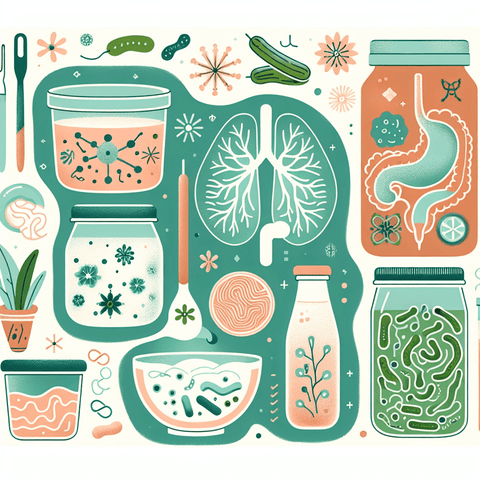
Natural probiotics are one of the most discussed topics in everyday gut health. The term usually describes live microorganisms — beneficial bacteria and yeasts — obtained through naturally fermented foods such as yogurt, kefir, sauerkraut and kimchi, rather than only through encapsulated products. This page offers a broad overview of the topic: what natural probiotics are, which foods commonly contain them, which strain groups appear most often, and how natural food sources compare with probiotic supplements.
Because 'natural probiotic' is a broad concept, this page works as a starting point rather than an endpoint. It explains the core ideas and vocabulary, outlines the main food sources, and summarizes what to look for when comparing options. More specific questions — such as detailed comparisons between individual foods, strain-specific research or probiotic use alongside particular medications — are explored in the articles associated with this tag.
What Is a Natural Probiotic?
Probiotics are widely described as live microorganisms that, when consumed in adequate amounts, may confer a benefit on the body. The exact wording of definitions varies, and the strength and relevance of evidence differ between individual strains and uses. What most definitions share is the idea of live, identifiable microorganisms taken in meaningful quantities.
The word 'natural' is not a regulated or standardized descriptor. In practice it is used in two main ways: to describe probiotics that occur in whole foods made through fermentation, and to describe supplement formulations that emphasize naturally derived ingredients or traditional strain groups. Both uses appear on labels and in health content, so it helps to know what the term can and cannot tell you.
On its own, 'natural' says little about quality, strain identity or the number of live microorganisms a product contains. Those details come from labeling and manufacturing information — which is why transparent labeling is a recurring theme throughout this page.
Key Probiotic Strain Groups
Most probiotic foods and supplements draw on a small number of well-known microorganism groups. Individual strains within these groups differ from one another, which is why strain-level detail matters in both research and labeling:
- Lactobacillus — one of the most common bacterial groups in fermented foods such as yogurt, kefir and fermented vegetables.
- Bifidobacterium — a group frequently found in fermented dairy products and widely represented in supplement formulations.
- Other cultures — certain yeasts and additional bacterial species also occur in specific fermented foods and specialized products.
Strain-level differences matter: two products may both list Lactobacillus yet contain different strains with different characteristics. A label that names the genus, species and strain is generally considered a marker of transparency, because it makes the contents of a product verifiable rather than generic.
Natural Probiotic Food Sources
Fermented foods are the most familiar natural sources of probiotics. Fermentation uses microorganisms to transform a base ingredient — milk, cabbage, soybeans or tea — and when a fermented food is not heated afterward, some of those cultures remain live in the finished product. Common examples include:
- Yogurt — made with live bacterial cultures; look for 'live and active cultures' on the label, since heat-treated yogurts do not contain live microorganisms.
- Kefir — a fermented milk drink containing a varied mix of bacteria and yeasts.
- Sauerkraut — fermented cabbage; refrigerated, unpasteurized versions are more likely to contain live cultures than shelf-stable jars.
- Kimchi — a Korean preparation of fermented vegetables, most often cabbage and radish, combined with seasonings.
- Miso — a Japanese paste produced by fermenting soybeans, commonly used in soups and dressings.
- Tempeh — a firm fermented soybean product.
- Kombucha — a fermented tea drink.
- Fermented pickles — cucumbers fermented in brine; most vinegar-based supermarket pickles are not fermented and contain no live cultures.
Two related questions come up often. What is the most natural probiotic? There is no official answer, but whole fermented foods made through traditional fermentation — plain yogurt with live cultures, kefir and naturally fermented vegetables are typical examples — are usually what the phrase refers to. Which food is highest in probiotics? Probiotic content is not standardized or consistently measured across foods: it depends on the recipe, fermentation time, producer and storage, so no single food can reliably be called the highest. Including a variety of fermented foods is generally a more practical approach than searching for one 'best' option.
Fermented foods often appear alongside other nutrient-dense food groups in wider dietary guides. If you want to place them in that broader context, our superfoods guide collects related food-based categories in one place.
Natural Probiotics vs. Probiotic Supplements
Food sources and supplements each have distinct characteristics, and many people use both at different times. Understanding the differences makes it easier to judge which format suits a given situation:
- Natural food sources deliver live cultures together with the food's other nutrients, and they fit into everyday meals and traditional diets. The amount and mix of cultures can vary considerably between batches, producers and storage conditions.
- Probiotic supplements are formulated to provide specific, identified strains in stated amounts, usually expressed in colony-forming units (CFU). They offer convenience and consistency, though they are a processed format rather than a whole food.
Neither format is inherently better than the other. Foods suit readers who enjoy fermented flavors and want to build probiotics into regular meals, while supplements may suit those looking for clearly defined strains and amounts. The most suitable choice depends on personal goals, preferences and circumstances — and anyone who takes medication or manages a health condition may wish to discuss probiotic use with a healthcare professional first.
If you prefer the supplement format, our probiotics and prebiotics collection brings together products from different brands, making it easier to compare strain information, CFU counts and formulations side by side.
How to Evaluate Probiotic Products
Whether you are comparing fermented foods or supplement formulations, the same quality markers help you judge what a product actually offers:
- Clear strain identification, ideally listing genus, species and strain rather than a vague description.
- Stated amounts of live microorganisms, with supplements typically displaying CFU counts.
- Clarity on whether stated amounts apply at the end of shelf life rather than only at the time of production.
- Storage guidance, since some products require refrigeration to maintain their live cultures.
- Manufacturing standards and quality-control practices, such as batch testing.
- Third-party verification or other independent checks where available.
- Clear expiration dating.
Transparent labeling does not guarantee any particular outcome, but it makes it far easier to understand what a product contains and to compare like with like. Vague descriptions, missing strain names and unclear storage instructions are common reasons to examine a product more closely before choosing it.
Natural Probiotics in a Broader Routine
For most readers, natural probiotics are one element of a wider dietary picture rather than a single solution. Fermented foods have traditionally been eaten as part of varied, balanced diets across many cultures, and no individual food or supplement on its own determines overall gut health. Dietary variety, regular eating patterns and general lifestyle all form the context in which any probiotic choice sits.
Readers who favor a food-first, naturally oriented approach often explore other product groups as well. Our broader natural supplements collection gathers options across vitamins, minerals and botanicals if you want to browse beyond probiotics.
Exploring the Topic Further
This page is designed as an overview — a map of the natural probiotic topic. The individual articles associated with this tag go deeper into specific questions, from particular fermented foods and strain discussions to practical situations such as probiotic use around a course of antibiotics.
As you read on, the principles from this page are worth keeping in mind: look for clarity about which live cultures a product contains, treat 'natural' as a starting description rather than a quality promise, and match the format — food or supplement — to your own preferences and circumstances.