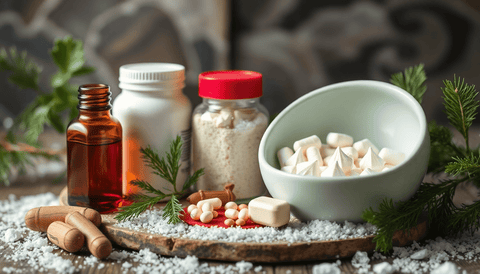
Most colds resolve on their own within a week or two, but the sore throat, congestion, and fatigue that come with them can make even a simple week feel exhausting. Natural remedies for colds focus on what you can safely do at home — rest, hydration, soothing foods, and humidified air — while a small number of nutrients, such as vitamin C and zinc, have some research supporting their role in how long symptoms last. In this guide, you'll learn what is actually happening in your body during a cold, which home strategies are genuinely helpful, what the evidence says about vitamins and herbal supplements, and when it's time to seek professional care.
What Are the Most Effective Natural Remedies for Colds?
Why Natural Approaches to Cold Relief Are So Popular
Colds are caused by viruses, which means there is no cure that shortens the illness dramatically — only ways to manage symptoms while your immune system does its work. That reality makes home-based approaches attractive: they are accessible, inexpensive, and generally low-risk. Many people also prefer to avoid unnecessary medication, especially when symptoms are mild and manageable with rest, fluids, and simple comfort measures.
What This Guide Covers
This article walks through the science of the common cold, practical diet and lifestyle strategies with real evidence behind them, and a balanced look at nutrients and herbal remedies often marketed for immunity. It also explains how to read supplement labels, who should be cautious, and how to distinguish supportive home care from situations that genuinely require medical attention.
Understanding the Common Cold: What Is Actually Happening?
Viral Causes vs. Bacterial Infections
The common cold is a viral infection, most often caused by rhinoviruses, though more than 200 different viruses can be responsible. Because the cause is viral, the illness runs its course as your immune system clears the infection. Bacterial infections are a separate matter and may require different treatment — one reason it matters to recognize when something is more than a typical cold.
The Typical Timeline of a Cold
Symptoms usually appear one to three days after exposure and peak around days two to four. A sore throat and sneezing often come first, followed by congestion, runny nose, and mild cough. Most colds improve noticeably within a week and fully resolve within ten days to two weeks, though a lingering cough can persist slightly longer.
Why Antibiotics Don't Work for a Cold
Antibiotics target bacteria, not viruses, so they have no effect on cold viruses. Using them unnecessarily contributes to antibiotic resistance and can cause side effects without any benefit. Doctors generally advise against antibiotics for uncomplicated colds unless a bacterial complication develops.
How Your Immune System Responds to a Cold Virus
The Role of Inflammation and Mucus Production
Many classic cold symptoms — stuffy nose, sneezing, mild fatigue — are actually signs of your immune response in action. Inflammation helps recruit immune cells to the site of infection, while increased mucus production helps trap and flush out viral particles. This is why symptoms and recovery are intertwined: the discomfort is partly the result of your body fighting back.
Why a Fever Can Be a Helpful Response
A mild fever is thought to support immune function, as some immune processes work more efficiently at elevated body temperature. That said, fever is uncomfortable and can be draining, and a high or persistent fever is never something to ignore. Comfort and hydration matter more than suppressing every degree of temperature rise, but any concerning fever warrants professional advice.
Recognizing Cold Symptoms vs. Flu Symptoms
When It's Likely a Cold
Colds typically develop gradually and center on the nose and throat: sneezing, congestion, runny nose, mild sore throat, and a low-grade or absent fever. Energy levels may dip, but severe exhaustion is uncommon. If symptoms stay in this range and gradually improve, home care is usually appropriate.
Red Flags: When to See a Doctor
Seek medical care if you experience difficulty breathing, chest pain, a fever above 39°C (102°F) that persists, symptoms that improve and then suddenly worsen, severe sinus or facial pain, or symptoms lasting beyond ten days without improvement. People with asthma, weakened immune systems, chronic conditions, or very young children should also be quicker to consult a professional.
Key Factors That Influence How Long a Cold Lasts
Sleep Quality and Stress Levels
Research suggests that people who sleep fewer hours before exposure to a cold virus are more likely to develop symptoms, and chronic stress has been associated with longer, more symptomatic illnesses. Neither guarantees anything in a given case, but sleep and stress management are among the few modifiable factors linked to immune resilience.
Age and Overall Health Status
Young children experience more colds per year than adults because their immune systems are still encountering many viruses for the first time. Older adults and people with chronic health conditions may also experience more severe or prolonged symptoms. These factors are largely outside your control, but they help set realistic expectations.
Nutritional Status and Hydration
Several nutrients — including vitamin C, vitamin D, and zinc — play recognized roles in immune function. Severe deficiencies can impair immune responses, although correcting a deficiency is different from megadosing once you're already sick. Staying hydrated supports mucus clearance and overall comfort during illness.
The Role of Diet and Hydration in Cold Recovery
Best Foods to Eat When You Have a Cold
There is no single "cold diet," but easily digestible, nutrient-rich foods help maintain energy and hydration. Good options include:
- Fruit and vegetables rich in vitamin C, such as citrus, kiwi, bell peppers, and berries
- Warm broths and soups that combine fluids, sodium, and gentle nutrition
- Garlic and onions, which add flavor and have been studied for modest immune-related properties
- Honey, which may soothe cough in adults and children over one year of age
- Yogurt or fermented foods, contributing protein and, in some cases, live cultures
The Importance of Fluids and Electrolytes
Fluid loss increases with fever, runny nose, and sweating. Water, herbal tea, and broth all count; warm liquids can feel especially soothing to a sore throat and may temporarily ease congestion. If appetite is low, fluids with a little sodium and some calories — such as broth or diluted juice — can help maintain hydration more effectively than water alone.
The Science Behind Chicken Soup
Chicken soup is more than folklore. Warm liquid helps with hydration and nasal clearance, and some laboratory research suggests components of chicken soup may have mild anti-inflammatory effects, though clinical evidence is limited. Its real value likely lies in the combination of fluids, electrolytes, warmth, and easy nutrition — all of which support recovery comfort.
Lifestyle Strategies That Help You Feel Better Faster
Rest, Sleep, and Recovery
Your immune system uses considerable energy during an infection, and sleep is when much immune regulation occurs. Scaling back activity, prioritizing sleep, and avoiding strenuous exercise while symptomatic gives your body the resources it needs. Rest does not guarantee a faster recovery, but pushing through illness is widely understood to be counterproductive.
Using a Humidifier and Steam Inhalation
Dry air irritates nasal passages and can thicken mucus. A cool-mist humidifier, a warm shower, or careful steam inhalation can temporarily ease congestion and throat discomfort. Keep humidifiers clean to avoid mold and bacteria growth, and take care with hot steam to avoid burns, particularly around children.
Gargling with Salt Water for Sore Throats
Dissolving about half a teaspoon of salt in a glass of warm water and gargling several times daily can temporarily reduce throat irritation by drawing fluid out of swollen tissues. It is a low-risk, evidence-supported comfort measure for mild sore throat in adults and older children who can gargle safely.
Which Vitamins and Supplements Are Backed by Evidence?
Vitamin C: What Research Says About Duration
For most people, taking vitamin C after cold symptoms begin has not been shown to shorten or prevent colds reliably. However, research suggests regular vitamin C intake before exposure may be associated with slightly shorter cold duration in some populations. Foods like citrus, peppers, and kiwi contribute vitamin C naturally; see our vitamin C overview for more on sources and intake.
Zinc Lozenges: Timing and Dosage Considerations
Zinc lozenges are among the better-studied options: some trials suggest that dissolving zinc lozenges within 24 hours of symptom onset may modestly reduce cold duration, though results are mixed and formulations vary widely. Zinc acetate and zinc gluconate are the forms most often studied. Exceeding recommended amounts can cause nausea and, with prolonged high intake, copper deficiency — so short-term use within labeled dosing is the sensible approach.
Vitamin D: The Link to Immune Function
Vitamin D supports innate immune function, and deficiency is common in regions with limited winter sunlight. Large reviews suggest vitamin D supplementation may reduce the risk of respiratory infections primarily in people who are deficient — not in everyone. This makes vitamin D a case where testing or assessing dietary intake first can be more informative than automatic supplementation; learn more in our guide to vitamin D benefits and safety.
Elderberry and Echinacea: Herbal Options Explained
Elderberry has some small studies suggesting it may reduce the duration or severity of cold and flu symptoms, but the evidence base remains limited and inconsistent. Echinacea has produced similarly mixed results across trials, with effects appearing dependent on species and preparation. Both are generally well tolerated for short periods in healthy adults, but they are not a substitute for medical care, and herbal remedies can interact with medications. Our overview of herbal supplements, safety, and sourcing covers these considerations in more depth.
When Supplementation Makes Sense for a Cold
Situations Where Dietary Intake May Be Insufficient
Supplements are most relevant when diet alone may fall short. Examples include limited fruit and vegetable intake, minimal sun exposure for vitamin D during winter months, restrictive diets, or increased needs during certain life stages. If your diet already covers these nutrients well, additional supplementation during a cold offers little proven benefit.
Why Starting Early Matters for Some Nutrients
For zinc lozenges, the timing window matters: research suggesting benefit typically involved starting within 24 hours of symptom onset. Vitamin C's modest effects, where observed, also came from regular use before getting sick rather than high doses after the fact. This underscores a broader principle — nutrients support the immune system over time, not as emergency treatments.
Supplements vs. Medical Treatment: Knowing the Difference
Supplements are nutritional support, not medicine. They do not treat infections, and no supplement has been proven to cure a cold. If symptoms are severe, worsening, or accompanied by red flags, medical assessment comes first — supplementation can complement recovery, never replace appropriate care.
How to Choose the Right Cold Supplement
Nutrient Forms and Bioavailability: What to Look For
Forms matter for some nutrients. Zinc acetate and zinc gluconate are the lozenge forms with the most research behind them, while vitamin C products range from plain ascorbic acid to buffered or slow-release versions — evidence does not clearly show one form is universally superior, and tolerability often comes down to personal comfort. For vitamin D, cholecalciferol (vitamin D3) is generally preferred because it is the form the body produces naturally and is effective at raising blood levels.
Single-Ingredient vs. Multi-Ingredient Formulas
Single-ingredient products make it easier to control dose and timing — important for zinc, where overuse has real downsides. Multi-ingredient "immune blends" can be convenient but often combine nutrients at doses that are hard to track, and may overlap with other supplements you already take. Reading labels carefully matters more than marketing claims.
Delivery Formats: Lozenges, Capsules, and Powders
Zinc appears to work best as a lozenge dissolved slowly in the mouth, allowing direct contact with oral tissues — capsules bypass this effect. Vitamin C comes as capsules, tablets, powders, and effervescent formats; powders and effervescents dissolve easily for those who dislike swallowing pills, while capsules offer convenience and stability. Choose the format you will actually use consistently.
Reading Supplement Labels for Cold Remedies
Understanding Serving Size and Dosage
Always check whether the listed dose refers to one lozenge, capsule, or scoop — some products require multiple units to reach the stated amount. Compare the dose per serving with reference intakes and upper limits rather than assuming more is better. For zinc in particular, respect the labeled frequency and total daily amount.
Identifying Quality Certifications and Third-Party Testing
Reputable manufacturers use good manufacturing practices and, ideally, third-party testing to verify identity, purity, and content. Certifications from independent laboratories provide more assurance than self-declared claims. Avoid products making promises to "cure" or "boost immunity instantly" — responsible supplement brands describe support, not treatment.
Checking for Hidden Additives and Allergens
Lozenges and effervescent formats can contain sugars, sweeteners, colorings, or flavorings worth knowing about, especially with frequent use. Check allergen statements if you have sensitivities, and note whether a product is suitable for vegetarians or vegans if that matters to you.
Who Should Be Cautious About Cold Supplements?
Medications That Can Interact with Herbal Remedies
Herbal products are not automatically risk-free. Echinacea and other botanicals can interact with certain medications, and high-dose zinc can interfere with some antibiotics if taken at the same time. Anyone on regular prescription medication should check with a pharmacist before adding herbal supplements.
Safety Considerations for Pregnant and Breastfeeding Individuals
Pregnancy and breastfeeding change what is advisable for both nutrients and herbs. Vitamin C and vitamin D within recommended amounts are commonly used, but high doses should be avoided, and herbs like echinacea are best discussed with a healthcare provider first. Honey should never be given to infants under one year of age.
When to Talk to a Doctor or Pharmacist
Consult a professional before supplementing if you have kidney disease, a weakened immune system, take multiple medications, or are considering high-dose or long-term use. Children require age-appropriate formulations and dosing, so adult products should not simply be scaled down. A pharmacist is an excellent first point of contact for interaction questions.
Making an Informed Decision About Your Cold Recovery Plan
When Home Care and Nutrition Are Sufficient
For a typical mild cold, rest, fluids, warm foods, humidified air, and salt water gargles address most of what you need. A well-balanced diet usually supplies adequate vitamin C, and most healthy people do not need extra supplementation during an ordinary cold.
Factors to Consider Before Buying Supplements
If your diet is restricted, your sun exposure is minimal, or you want the modest benefit zinc lozenges may offer when started early, a focused, well-made single-ingredient product is a reasonable choice. Consider the form, dose per serving, quality indicators, and whether the product overlaps with anything you already take.
The Bottom Line on Natural Cold Remedies
No remedy — natural or otherwise — makes a cold disappear overnight. What home care can do is reduce discomfort, support hydration and rest, and, in a few evidence-supported cases like zinc lozenges taken early, modestly influence duration. The strongest natural remedies for colds remain the unglamorous basics: sleep, fluids, nourishing food, and patience, with supplements playing a selective, supporting role rather than a leading one.
Frequently Asked Questions
What is the fastest natural way to feel better with a cold?
There is no overnight fix, but combining rest, ample fluids, warm liquids, humidified air, and honey or salt water for throat symptoms offers the most reliable relief. Starting zinc lozenges within the first day of symptoms may modestly shorten a cold, according to some studies.
Does vitamin C prevent colds?
Regular vitamin C intake has not been shown to prevent colds in the general population, though some studies suggest it may slightly shorten their duration. Taking large doses after symptoms start has not demonstrated meaningful benefit.
Do zinc lozenges really work?
Some clinical trials suggest zinc lozenges dissolved in the mouth within 24 hours of symptom onset may reduce cold duration by a small amount, but results are mixed. Effects depend on the zinc form, dose, and timing, and benefits should not be overstated.
How much vitamin C should I take when I have a cold?
Avoid megadoses. Amounts around the standard daily recommendation — roughly 75–90 mg for most adults — are sufficient for nutritional needs, and excess vitamin C is simply excreted. Very high doses can cause digestive upset in some people.
Is honey safe for children with a cough?
Honey can soothe cough in children over one year of age, but it must never be given to infants under 12 months due to the risk of infant botulism. A small amount before bedtime is the typical approach.
Can you take too much zinc?
Yes. Exceeding recommended zinc intake can cause nausea and a metallic taste, and long-term high intake can lead to copper deficiency. Use zinc lozenges only within labeled dosing and for a short period.
Does vitamin D help with colds?
Vitamin D supports immune function, and research suggests supplementation may reduce respiratory infection risk mainly in people who are deficient. It is not a cold treatment, and testing or dietary assessment can indicate whether supplementation is relevant for you.
Is it better to let a fever run its course?
A mild fever may support the immune response, and lowering it is not always necessary if you are reasonably comfortable. High, persistent, or concerning fevers — especially in children, older adults, or those with health conditions — should always be evaluated by a professional.
Does elderberry shorten a cold?
Some small studies suggest elderberry may reduce the duration or severity of cold and flu symptoms, but the evidence is limited and inconsistent. It is generally well tolerated short-term in healthy adults, but it is not a proven treatment.
Can a cold turn into a bacterial infection?
Sometimes a secondary bacterial infection, such as sinusitis or an ear infection, can develop during or after a cold. Warning signs include symptoms that worsen after initial improvement, severe one-sided facial pain, or symptoms lasting well beyond ten days — these warrant medical assessment.
Should I exercise while I have a cold?
Light activity may be fine if symptoms are limited to the head and you feel up to it, but rest is generally better when you have fatigue, body aches, or fever. Strenuous exercise during illness can add stress to a body already working hard to recover.
When should I see a doctor instead of treating a cold at home?
Seek care for difficulty breathing, chest pain, high or persistent fever, severe symptoms, symptoms lasting beyond ten days without improvement, or if you have a chronic condition, weakened immunity, or a very young child. When in doubt, professional advice is always the safer path.
Key Takeaways
- Colds are viral infections that resolve on their own; natural remedies focus on comfort and support, not cures.
- Rest, adequate sleep, and hydration are the foundation of home care and are among the few modifiable factors linked to recovery.
- Warm fluids, chicken soup, humidified air, and salt water gargles are simple, low-risk ways to ease symptoms.
- Zinc lozenges, when started within 24 hours of symptom onset, may modestly shorten cold duration, though evidence is mixed.
- Vitamin C does not prevent colds for most people; regular adequate intake may slightly shorten duration, while post-symptom megadoses show little benefit.
- Vitamin D supplementation is most relevant for people with low sun exposure or possible deficiency, not as a cold treatment.
- Elderberry and echinacea have limited and inconsistent evidence but are generally tolerated for short-term use in healthy adults.
- Antibiotics do not work against cold viruses and should not be used for uncomplicated colds.
- Read supplement labels for dose, form, and quality indicators, and avoid products claiming to cure or instantly boost immunity.
- Red flags — breathing difficulty, chest pain, high persistent fever, or symptoms worsening after improvement — always warrant medical care.
Related Keywords
- natural remedies for colds
- home remedies for cold symptoms
- how to get rid of a cold fast
- zinc lozenges for colds
- vitamin C and cold duration
- vitamin D immune function
- foods to eat with a cold
- how long does a cold last
- cold vs flu symptoms
- elderberry for colds
- echinacea immune support
- sore throat home remedies
- when to see a doctor for a cold
- immunity supplements