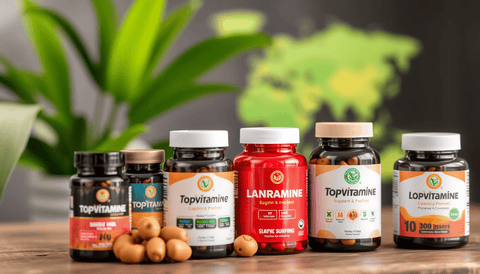
As interest in natural wellness continues to grow, understanding the landscape of natural supplement brands becomes essential for making confident, informed choices. This hub page is designed to help you navigate the market, clarify what "natural" truly means, and identify the key quality indicators that separate credible brands from the rest. Whether you are new to supplementation or looking to refine your choices, this guide provides a broad overview of the topic to support your health journey.
What Are Natural Supplement Brands?
Natural supplement brands focus on producing dietary supplements derived from natural sources. This typically includes ingredients like botanical extracts, vitamins from whole foods, minerals, and other compounds obtained from plants or fermentation. In contrast to synthetic ingredients created in a laboratory, natural sources are often sought after for their potential bioavailability and alignment with a holistic approach to health. However, it's important to note that "natural" is a broad term, and the level of processing can vary significantly between products.
A key distinction lies in the brand's overall philosophy. Credible natural supplement brands typically prioritize clean sourcing, sustainable practices, and minimal use of unnecessary fillers, artificial colors, or preservatives. They aim to deliver nutrients in forms that are close to how they are found in nature, which can appeal to consumers looking for a more whole-food-oriented approach to wellness.
Natural vs. Synthetic Ingredients
The primary difference between natural and synthetic ingredients lies in their origin and production process. Natural ingredients are derived from plant, animal, or mineral sources, while synthetic ones are manufactured through chemical processes. While both can be effective, some individuals prefer natural sources due to the presence of co-factors and a belief that they are better recognized by the body. Understanding this difference is a core element of evaluating natural supplement brands.
Why Brand Quality and Trust Matter
The supplement industry is vast, with significant variation in the quality and safety of products. Choosing a trustworthy brand is crucial because supplements can have a direct impact on your health. Poor-quality products may contain contaminants, inaccurate ingredient amounts, or undisclosed fillers, which can pose risks and fail to deliver the intended benefits. This is why shifting focus from just the product to the brand's integrity is a vital step in your wellness journey.
Key Quality Indicators to Look For
When evaluating natural supplement brands, several recognizable quality signals can help you make an informed choice:
- Third-party testing and certifications (e.g., GMP, USP, NSF)
- Transparent labeling that lists all ingredients and amounts clearly
- Clear information about ingredient sourcing and manufacturing processes
- A focus on minimal excipients, fillers, and artificial additives
Brands that openly share these details are often more committed to consumer safety and efficacy. Look for products that have undergone verification by independent organizations to ensure they meet high standards for purity and potency.
Understanding Marketing Claims vs. Evidence
One of the biggest challenges for consumers is distinguishing between impactful marketing and genuine, evidence-based quality. Be wary of brands that make exaggerated or unsupported health claims. Instead, look for transparent communication about what a supplement contains and does—and, just as importantly, what it does not claim to do. Reputable brands rely on the nutritional science and regulatory standards for their product claims.
Top Supplements in the Natural Category
Many natural supplement brands offer a range of products designed to support various aspects of health. The following are some of the most common and broadly studied categories you may encounter:
- Vitamins & Minerals: Essential nutrients like vitamin D, vitamin C, and magnesium
- Multivitamins: Formulations designed to fill dietary gaps and provide a broad spectrum of nutrients.
- Herbal Supplements: Plant-based extracts used traditionally to support specific health functions.
- Probiotics & Prebiotics: To support a balanced gut microbiome.
- Omega-3 Fatty Acids: Often derived from algae or fish, known for supporting heart and brain health.
Reading product labels carefully and understanding each ingredient's role is essential to selecting a product that aligns with your health goals.
How to Choose the Right Supplement for You
Choosing a supplement is not a one-size-fits-all process. It requires a thoughtful assessment of your unique health status and dietary needs. While supplements can help fill nutritional gaps, they should complement—not replace—a balanced diet and healthy lifestyle.
A Practical Approach to Supplement Selection
To make a responsible choice, consider this simple decision flow:
- Assess your diet and lifestyle to identify potential nutrient gaps.
- Consider which symptoms, if any, might be related to a nutritional shortfall.
- Evaluate brand credibility through quality indicators like third-party testing.
- Start with well-supported products at standard dosage levels and monitor your response.
Understanding Individual Variability
It's important to recognize that individual responses to supplements can vary widely. Genetic factors, gut microbiome composition, age, and pre-existing conditions can all influence how your body absorbs and utilizes nutrients. This variability is why a personalized approach is key, rather than assuming what works for someone else will work for you. If your health concerns are complex, seeking professional input from a healthcare provider or dietitian is a prudent step.
Safety, Regulation, and Contaminant Awareness
The safety of dietary supplements is a shared responsibility between manufacturers and consumers. While the regulatory framework for supplements is less stringent than for pharmaceuticals, reputable brands implement strict quality control measures to ensure safety. Consumers also have a role to play in staying informed.
Potential Risks and Interactions
Before starting any new supplement, be aware of the potential for interactions with medications or chronic conditions. It is also advisable to monitor for any side effects and adjust or stop use if you experience adverse reactions. Supplements are not intended to diagnose, treat, cure, or prevent any disease, and this understanding is fundamental to their safe use.
Exploring Trusted Supplement Categories
At Topvitamine, we offer a curated selection of products designed to support your nutritional goals. You can explore our range of natural supplement options to find products that align with your priorities for purity and quality.
If you are looking for foundational support, exploring a multivitamin guide can provide helpful context on ingredient sourcing and usage.
Key Takeaways for Choosing Natural Supplement Brands
- "Natural" is not a regulated term; prioritize transparent brands over marketing language.
- Certifications like GMP, USP, or NSF confirm that a product has been independently verified.
- Supplements are intended to support, not replace, a balanced diet and healthy lifestyle.
- Individual responses to supplements vary, meaning a personalized approach is essential.
- Always consider potential interactions with medications and consult a healthcare professional when in doubt.
Frequently Asked Questions About Natural Brands
What supplement company has the highest quality ingredients?
There is no single company universally recognized for having the highest quality ingredients. Quality varies by product and even by batch. The most reliable approach is to look for brands that demonstrate a commitment to third-party testing, provide clear label transparency, and openly share their sourcing and manufacturing practices.
What company has the cleanest supplements?
"Cleanest" typically refers to products with no or minimal additives, fillers, and artificial ingredients. Brands that emphasize whole-food ingredients and have independent certifications for purity are often a good indicator. Always examine the supplement facts panel to see exactly what is included, and what is not.
What is the most trustworthy supplement brand?
A trustworthy brand is one that is transparent about every aspect of its product—from ingredient sourcing to production to independent testing results. Look for companies with a long track record of quality, those that employ in-house and third-party testing, and importantly, those that make this data accessible to the consumer. Trust must be earned through consistent transparency.
What is the purest supplement company?
A pure supplement company typically focuses on minimal ingredients with high-quality sourcing. They often avoid unnecessary excipients, and opt for nutrient forms that are data-backed for absorption. Certifications for purity, such as USP or NSF, provide verifiable assurance that a product meets standards for purity and composition.