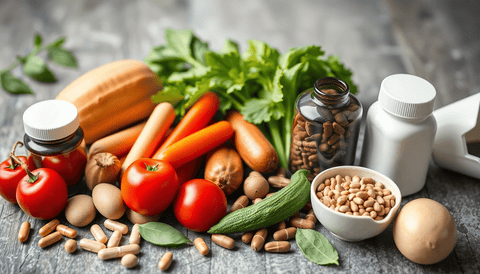
A well-planned plant-based diet can provide most of the nutrients your body needs, but some vitamins and minerals deserve special attention when animal products are off the menu. Natural vegan vitamins — supplements made from plant, algal, or fermented sources without animal-derived ingredients — can help bridge specific gaps such as vitamin B12, vitamin D, iodine, and omega-3 fatty acids. In this guide, you will learn what makes a vitamin truly vegan, which nutrients matter most on a plant-based diet, when supplementation may be relevant, and how to choose a high-quality product that fits your lifestyle and values.
What Are Natural Vegan Vitamins and Why Do They Matter?
Natural vegan vitamins are dietary supplements that provide vitamins and minerals derived from non-animal sources — such as algae, lichen, fermented cultures, plants, and minerals — and are manufactured without animal-derived excipients like gelatin capsules, lanolin, or beeswax. They matter because plant-based diets, while generally rich in fiber, folate, vitamin C, vitamin E, and beneficial phytonutrients, are typically low in or entirely missing several nutrients found predominantly in animal foods. Research consistently identifies vitamin B12, vitamin D, iodine, iron, zinc, selenium, and the long-chain omega-3s (EPA and DHA) as nutrients that require attention on vegan diets. Supplementation is not automatically necessary for everyone, but for certain nutrients — particularly B12 — it is widely regarded as a practical necessity for long-term vegans, since reliable plant sources simply do not exist.
How Do Vegan Vitamins Differ From Conventional Supplements?
The difference lies in both the source of the active nutrients and the other ingredients in the product. Conventional supplements often use animal-derived raw materials and additives.
What Does “Natural” Actually Mean in Vegan Supplements?
“Natural” has no single, legally binding definition in the supplement industry. In practice, it usually means the nutrient is extracted from a food or biological source — for example, vitamin D3 from lichen, omega-3s from algae, or vitamin C from acerola cherries — rather than fully synthesized in a laboratory. It is worth knowing that many synthetic vitamins are chemically identical to their natural counterparts and are absorbed just as well; nutrients like vitamin C (ascorbic acid) produced synthetically are molecularly the same as those found in food. Where “natural” sources genuinely matter is for nutrients with multiple chemical forms, such as vitamin E (natural forms have higher bioavailability than some synthetic versions) and vitamin D3 sourced from lichen instead of lanolin.
Why Are Some Vitamins Not Vegan-Friendly?
Several common supplement ingredients originate from animals:
- Vitamin D3 is traditionally derived from lanolin, the grease from sheep's wool.
- Softgel capsules are frequently made from gelatin, which comes from animal collagen.
- Vitamin A in some products is derived from fish liver oil.
- Omega-3 supplements usually come from fish or krill oil.
- Binders, coatings, and lubricants such as beeswax, shellac (in some cases), stearates, or gelatin-based fillers may also be animal-derived.
A product labeled “vegetarian” may still contain lanolin or whey, so vegans should look specifically for vegan certification or a clear plant-source declaration.
Which Nutrients Are Most Important on a Plant-Based Diet?
A handful of nutrients account for most of the gaps associated with vegan eating patterns. Understanding why each one matters helps you prioritize your diet and, if needed, your supplementation.
Vitamin B12: The Critical Nutrient for Vegans
Vitamin B12 is produced by microorganisms and is found naturally almost exclusively in animal foods. Plants grown in unfortified soil or untreated with organic fertilizers are not reliable sources. B12 is essential for red blood cell formation, neurological function, and DNA synthesis; long-term inadequate intake can lead to megaloblastic anemia and potentially irreversible nerve damage. Because fortified foods may not consistently provide enough, most health organizations and dietetics associations advise people following a vegan diet to take a regular B12 supplement or carefully plan fortified-food intake. Cyanocobalamin and methylcobalamin are the two most common supplemental forms; both are considered effective, with cyanocobalamin being the most studied and stable.
Vitamin D3 From Lichen vs. Lanolin
Vitamin D3 (cholecalciferol) supports calcium absorption, bone health, immune function, and muscle function. Most D3 supplements are made from lanolin, making them unsuitable for vegans. Lichen is one of the few plant-based natural sources of D3, and lichen-derived D3 supplements provide a chemically identical form of cholecalciferol. For an overview of this vitamin's functions and intake considerations, see our guide to vitamin D sources and safety. Vitamin D2 (ergocalciferol) from UV-exposed yeast is also vegan, though D3 is generally considered somewhat more effective at raising and maintaining blood levels of the active form.
Iron, Zinc, and Iodine in Plant-Based Nutrition
Plant foods contain non-heme iron, which is less readily absorbed than the heme iron found in meat. Vegans may need higher total iron intake, and absorption depends heavily on dietary context. Zinc from legumes, seeds, and whole grains is also less bioavailable due to phytates. Iodine is a particular concern: its content in plant foods depends entirely on soil conditions, and iodized salt or seaweed are the main vegan sources — though seaweed can contain excessive, sometimes unsafe, amounts of iodine. You can learn more about these nutrients in our mineral supplements guide.
Omega-3 Fatty Acids From Algae
Flax, chia, and walnuts provide alpha-linolenic acid (ALA), but the conversion of ALA to the long-chain omega-3s EPA and DHA is inefficient in most people. Direct EPA and DHA intake is associated with heart and brain health, and microalgae oil is the only vegan source of ready-made DHA and EPA. If this nutrient is relevant to you, our omega-3 DHA and EPA collection provides an overview of available options.
Who May Need Vegan Vitamin Supplementation?
Nutrient needs are individual. Some people thrive on fortified plant-based diets alone; others have circumstances that make supplementation more practical or more important.
Long-Term Vegans and Vegetarians
The longer someone follows a diet without animal products, the more important it becomes to plan for B12, vitamin D, and iodine specifically. The body stores B12 in the liver, so a deficiency may take years to develop — which is precisely why some long-term vegans mistakenly believe they do not need it. Vegetarians who eat dairy and eggs have a somewhat lower risk but may still fall short of optimal B12 and vitamin D status.
Athletes and Highly Active Individuals
Intense training increases energy turnover and can raise requirements for iron (through losses in sweat and, in menstruating women, through blood loss), zinc, and B vitamins involved in energy metabolism. Athletes following plant-based diets may also benefit from attention to calcium, vitamin D, and omega-3s. Our sports supplements guide covers performance-related nutrition in more depth.
Pregnant or Breastfeeding Women
Pregnancy and lactation increase requirements for nearly all nutrients, including folate, iron, iodine, B12, and DHA, which supports fetal brain and eye development. Vegan pregnancy warrants careful planning, ideally with guidance from a qualified healthcare provider or registered dietitian, since both deficiency and excess of nutrients like iodine can affect development.
Older Adults and People With Absorption Issues
The ability to absorb B12 from food declines with age, and conditions such as atrophic gastritis, celiac disease, inflammatory bowel disease, or the use of certain medications (including long-term acid reducers and metformin) can impair absorption of B12, iron, and other nutrients. Older adults also produce less vitamin D in the skin. In these situations, supplementation is often a practical way to maintain nutritional status, but medical assessment is advisable when malabsorption is suspected.
How Do You Know If You Have a Nutrient Gap?
Common Signs of Low Nutrient Levels
Fatigue, pale skin, hair thinning, brittle nails, frequent infections, poor concentration, muscle weakness, and slow wound healing are sometimes associated with low levels of iron, B12, vitamin D, or zinc. However, these symptoms are non-specific — they can equally be explained by stress, poor sleep, thyroid issues, or unrelated medical conditions. Symptoms alone therefore cannot confirm or exclude a nutritional deficiency.
Dietary Assessment vs. Laboratory Testing
A structured dietary assessment can reveal obvious gaps, such as an absence of fortified foods or iodized salt. For nutrients with validated biomarkers — B12 (along with methylmalonic acid), ferritin for iron stores, and 25-hydroxyvitamin D for vitamin D status — a blood test provides far more reliable information than guessing. If you suspect a deficiency, or before starting high-dose supplementation, testing and professional guidance are generally the more responsible route.
Whole Foods First: Optimizing Your Plant-Based Diet
Supplements work best as a complement to — not a substitute for — a well-designed diet.
Best Vegan Food Sources for Hard-to-Get Nutrients
- B12: fortified plant milks, nutritional yeast with added B12, fortified cereals (supplements remain the most reliable strategy).
- Vitamin D: UV-exposed mushrooms provide some vitamin D2; sunlight remains the primary natural source.
- Iron: lentils, tofu, pumpkin seeds, quinoa, dark leafy greens, blackstrap molasses.
- Zinc: legumes, cashews, hemp seeds, oatmeal, tempeh.
- Iodine: iodized salt in measured amounts, moderate portions of seaweed such as nori.
- Omega-3 DHA/EPA: microalgae oil; ALA from flax, chia, hemp, and walnuts.
- Calcium: fortified plant milks, calcium-set tofu, kale, bok choy, almonds.
Our superfoods guide explores nutrient-dense plant foods in more detail.
Dietary Strategies to Improve Nutrient Absorption
Pair iron-rich foods with vitamin C sources (citrus, peppers, strawberries) to significantly boost non-heme iron absorption. Soaking, sprouting, or fermenting legumes and grains reduces phytates that bind iron and zinc. Avoid drinking strong tea or coffee with meals, as tannins can inhibit iron uptake. Since vitamins A, D, E, and K are fat-soluble, eating them with a source of fat (olive oil, nuts, avocado) improves absorption.
How to Choose a High-Quality Vegan Vitamin
Key Ingredients to Look For and Avoid
Look for clearly labeled plant or algal sources of each nutrient (e.g., “lichen-derived D3,” “algal omega-3”), vegan-certified capsule shells, and transparent sourcing. Avoid gelatin capsules, lanolin-based D3, fish-derived vitamin A or omega-3s, and undeclared proprietary blends that hide ingredient amounts.
Nutrient Forms and Bioavailability: What Matters Most?
Chemical form can meaningfully affect absorption. Examples with reasonable evidence or strong rationale include iron bisglycinate, which is generally gentler and often better absorbed than ferrous sulfate; natural vitamin E (d-alpha-tocopherol), which has higher bioavailability than synthetic dl-alpha-tocopherol; and D3, which appears more effective at raising vitamin D status than D2. For minerals, chelated forms (bisglycinates, citrates) are frequently better tolerated than oxides or carbonates. That said, evidence is mixed for some “natural” versus synthetic comparisons, and a well-formulated synthetic nutrient is preferable to a poorly absorbed natural one.
Third-Party Testing and Quality Certifications
Because supplements are not as tightly regulated as medicines, quality varies between manufacturers. Look for vegan certification (e.g., Vegan Society or Vegan Action), third-party testing seals (USP, NSF, Informed Choice), and transparent manufacturing standards. These signals reduce the risk of contamination, mislabeling, and hidden animal-derived ingredients.
Comparing Capsules, Tablets, Powders, and Liquids
Capsules are convenient and dissolve reliably but are usually vegan only when made from cellulose (HPMC). Tablets often cost less per dose but may contain binders and, in some cases, gelatin coatings. Powders suit people who dislike swallowing pills and allow flexible dosing, while liquids absorb quickly but may require refrigeration and have shorter shelf life. Choose the format you will use consistently — adherence matters more than marginal differences between formats.
How to Read a Vegan Supplement Label
Serving Size vs. Amount Per Serving
Always check how many capsules constitute one serving. A product with 60 capsules may provide only 30 servings, which changes the true cost and dosing convenience considerably.
Understanding Nutrient Percentages and Forms
The label lists each nutrient with its amount and sometimes a percentage of the reference intake. The chemical form appears in parentheses, such as “Vitamin D3 (from lichen, cholecalciferol) 1000 IU.” Check whether amounts are given as the whole compound or as elemental mineral content — for minerals, the elemental amount is what counts.
Spotting Added Fillers, Binders, and Allergens
Scrutinize the “other ingredients” list. Anti-caking agents, colors, sweeteners, and allergens such as soy, gluten, or nuts may appear even in otherwise clean formulas. Reputable manufacturers disclose all excipients.
Are There Risks or Side Effects of Vegan Supplements?
Vegan supplements are generally safe at recommended doses, but “natural” and “vegan” do not mean risk-free.
Upper Intake Limits for Fat-Soluble Vitamins
Vitamins A, D, E, and K accumulate in body tissues, and excessive intake — particularly of vitamin A and vitamin D — can cause toxicity over time. Do not combine multiple products containing these vitamins without checking cumulative doses, and avoid high-dose products unless advised by a professional.
Potential Interactions With Medications
Vitamin K can interfere with blood thinners such as warfarin. High-dose vitamin E may increase bleeding risk when combined with anticoagulants. Mineral supplements can reduce the absorption of certain antibiotics and thyroid medications. If you take prescription medication, are pregnant or breastfeeding, or have kidney, liver, or thyroid conditions, consult a healthcare provider before starting supplements.
Supplement Quality Risks: Contamination and Mislabeling
Independent analyses have repeatedly found that some supplements contain different amounts than labeled, undeclared ingredients, or contaminants such as heavy metals — especially in certain seaweed and mineral products. This is why third-party-tested products from reputable manufacturers are worth prioritizing.
Making an Informed Decision: Do You Need a Vegan Multivitamin?
A well-formulated vegan multivitamin can be a pragmatic, low-effort solution for people who prefer not to manage individual supplements for B12, D, iodine, and zinc. It makes sense if your diet is inconsistent, you are pregnant (with professional guidance), you are a long-term vegan, or you want simple insurance against common gaps. It may be unnecessary if you eat a carefully planned diet with reliable fortified foods, have confirmed adequate blood levels, and prefer targeted single-nutrient supplements where genuine gaps exist. Note that a multivitamin guide can help you compare products, but multivitamins typically contain only modest B12 and D doses — check whether additional supplementation is still needed. A blood test, rather than guesswork, is the best starting point for most decisions beyond routine B12 supplementation.
Final Takeaway: Building a Sustainable Plant-Based Nutrition Plan
Thriving on a vegan diet is primarily a matter of planning, not products. Prioritize whole foods, use fortified foods strategically, pay particular attention to B12, vitamin D, iodine, iron, zinc, and omega-3s, and consider supplementation where diet alone is impractical or insufficient. Natural vegan vitamins — from lichen D3 to algal omega-3s — now make it possible to close these gaps without compromising your values. Because needs vary with age, life stage, health status, and diet, individual assessment and, where useful, blood testing will always beat a one-size-fits-all approach. If you take medications or have a medical condition, involve a qualified healthcare provider in your supplement decisions.
Key Takeaways
- Natural vegan vitamins derive their nutrients from plant, algal, lichen, or fermented sources and exclude animal-derived ingredients like gelatin and lanolin.
- Vitamin B12 is the one nutrient virtually all long-term vegans should supplement, as reliable unfortified plant sources do not exist.
- Lichen-derived vitamin D3 is chemically identical to lanolin-based D3 and is the natural vegan alternative.
- Plant-based (non-heme) iron and zinc are less bioavailable; pairing with vitamin C and reducing phytates improves absorption.
- Iodine is highly variable in plant foods; iodized salt or carefully portioned seaweed are key vegan sources.
- Algae oil is the only direct vegan source of EPA and DHA, as the body converts plant ALA inefficiently.
- Whole, fortified foods should come first; supplements are situational tools, not automatic necessities.
- Third-party testing and vegan certification reduce risks of mislabeling and hidden animal ingredients.
- Symptoms alone cannot diagnose deficiency; validated blood tests provide far more reliable information.
- Fat-soluble vitamins (A, D, E, K) carry toxicity risk at high doses — check cumulative intake across all products.
Frequently Asked Questions
Do all vegans need to take vitamin B12 supplements?
Virtually all major dietetics organizations recommend that people following vegan diets obtain B12 through supplements or consistently fortified foods. Since unfortified plant foods contain none, some form of regular B12 intake is effectively essential for anyone avoiding all animal products long term.
Is lichen-derived vitamin D3 as effective as lanolin-derived D3?
Yes. Both provide cholecalciferol, the same chemical form of vitamin D3, so their biological activity is identical. Lichen is simply the vegan-friendly source.
Can I get enough omega-3 from flaxseed and chia alone?
These foods provide ALA, which the body converts only inefficiently to EPA and DHA. Many people maintain adequate status with high ALA intake, but if you want direct EPA and DHA, algae oil is the only vegan option.
What is the difference between vitamin D2 and D3?
D2 comes from UV-exposed yeast or fungi and is vegan; D3 traditionally comes from lanolin or, in vegan products, lichen. Research generally suggests D3 is somewhat more effective at raising and maintaining blood vitamin D levels.
How long does it take to correct a B12 deficiency?
With appropriate supplementation, blood markers often improve within weeks to a few months, but neurological symptoms can take longer to resolve. Deficiency should be confirmed and managed with professional medical guidance.
Can you take too much of a natural vitamin?
Yes. Fat-soluble vitamins (A, D, E, K) accumulate in the body and can reach toxic levels with excessive intake. Water-soluble vitamins are generally excreted more readily but can still cause side effects at very high doses.
Are vegan multivitamins better than individual supplements?
It depends on your needs. A multivitamin is convenient for covering multiple small gaps, while individual supplements allow precise dosing — for example, therapeutic B12 or vitamin D. Many people use a combined approach.
Do vegan supplements have lower absorption?
Not inherently. Absorption depends on the chemical form of the nutrient, the presence of food, and individual digestive factors rather than on whether the source is plant-derived. Some plant-based forms, like chelated minerals, absorb very well.
Is iron supplementation necessary for all vegans?
No. Many vegans maintain adequate iron status through diet, especially when combining iron-rich plant foods with vitamin C. Supplementation is best considered when ferritin testing indicates low iron stores.
How much seaweed is safe for iodine?
It varies enormously by species — kelp can contain extremely high iodine levels, while nori is much lower. Excessive iodine can disrupt thyroid function, so it is safer to rely on iodized salt or a measured iodine supplement rather than unmeasured seaweed.
Are “natural” vitamins always better than synthetic ones?
Not necessarily. Many synthetic vitamins are chemically identical to natural ones and absorb equally well. The form matters more than the marketing label — for example, natural vitamin E has higher bioavailability, while synthetic vitamin C is equivalent to food-derived vitamin C.
Should I get blood tests before starting supplements?
For nutrients like vitamin D, B12, and iron, testing is generally the most sensible first step because it identifies whether a genuine deficiency exists and helps avoid unnecessary or excessive supplementation. Routine B12 coverage for vegans is a reasonable exception to this general rule.
Related Keywords
- natural vegan vitamins
- vegan multivitamin
- plant-based supplements
- vegan vitamin B12 supplement
- lichen-derived vitamin D3
- algal omega-3 DHA EPA
- vegan iron supplement
- plant-based nutrition guide
- vegan vitamin sources
- cruelty-free supplements
- best vitamins for vegans
- vegan supplement quality certifications
- non-heme iron absorption tips