Natural vitamin B12 supplements are products that provide vitamin B12 in forms such as methylcobalamin or adenosylcobalamin, often produced through fermentation rather than synthetic chemical processes. Vitamin B12 is a water-soluble nutrient that contributes to normal red blood cell formation, normal homocysteine metabolism, normal neurological function, and normal immune system function. Because the body cannot produce vitamin B12 on its own, it must be obtained through diet or supplementation. This page serves as a topical hub for understanding natural vitamin B12 supplements, their forms, dietary sources, and practical considerations.
What Is Natural Vitamin B12?
Vitamin B12, also known as cobalamin, is a family of compounds that contain cobalt. In supplement context, "natural" typically refers to forms of B12 that are either found in nature or produced through fermentation, as opposed to fully synthetic forms. The most commonly discussed natural forms are methylcobalamin and adenosylcobalamin, which are active coenzyme forms of B12 in the human body. Hydroxocobalamin is another naturally occurring form. Cyanocobalamin, while widely used in supplements and fortified foods, is a synthetic form that the body converts into active forms.
People may seek natural vitamin B12 supplements for various reasons, including dietary preferences, ingredient sourcing philosophies, or a desire to use forms that are closer to those found in the body. It is important to note that all forms of B12 can support normal B12 status, but they differ in their chemical structure, absorption pathways, and how they are metabolized.
Main Forms of Vitamin B12 in Supplements
Vitamin B12 supplements are available in several forms. Each has distinct characteristics that may influence how it is used by the body and how it is formulated in products.
- Methylcobalamin: A coenzyme form of B12 that participates in methylation processes. It is often marketed as a natural form and is commonly found in vegan-friendly supplements.
- Adenosylcobalamin: Another coenzyme form that plays a role in mitochondrial energy metabolism. It is sometimes combined with methylcobalamin in supplement formulations.
- Hydroxocobalamin: A naturally occurring form that can be converted into active coenzyme forms in the body. It is used in some injectable and oral supplements.
- Cyanocobalamin: A synthetic form that is stable and widely used in supplements and fortified foods. The body converts it into methylcobalamin and adenosylcobalamin.
The choice between these forms may depend on personal preference, dietary restrictions, and the specific product formulation. Some people prefer methylcobalamin or adenosylcobalamin for their natural classification, while others may choose cyanocobalamin for its stability and established use.
Dietary Sources of Vitamin B12
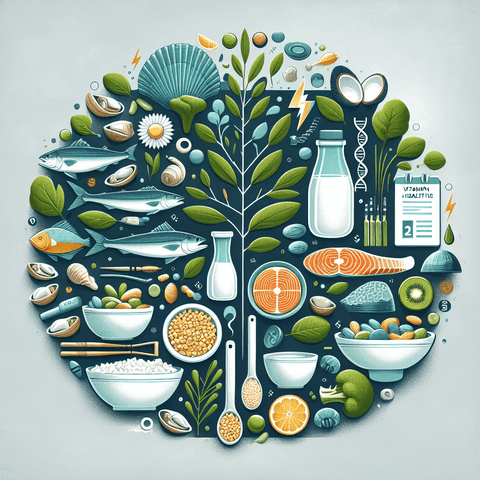
Vitamin B12 is naturally present in animal-derived foods. For those who consume animal products, dietary sources can contribute to normal B12 intake. Common sources include:
- Organ meats, especially liver
- Clams and other shellfish
- Salmon, tuna, and other fish
- Meat, poultry, and eggs
- Dairy products such as milk and yogurt
For people following vegan or vegetarian diets, obtaining B12 from food alone can be challenging because plant foods do not naturally contain significant amounts of active B12. Some plant-based products, such as nutritional yeast and certain fortified foods, may provide B12, but the form and amount can vary. This is one reason why many vegans and vegetarians consider B12 supplements or fortified foods as part of their routine.
Food Sources vs. Supplements: What to Consider
Both food sources and supplements can contribute to B12 intake, but they differ in convenience, dosage control, and suitability for different diets. Food sources provide B12 alongside other nutrients, but the amount can be variable and may not be sufficient for individuals with increased needs or restricted diets. Supplements offer a more controlled dose and can be formulated to suit specific preferences, such as vegan-friendly or natural forms.
When comparing options, it can be helpful to consider factors such as the form of B12, the amount per serving, and whether the product is third-party tested. Some people may also look for certifications or manufacturing standards that align with their values.
How to Choose Natural Vitamin B12 Supplements
When exploring natural vitamin B12 supplements, a structured approach can help you compare products effectively. The following factors are commonly considered:
- Form of B12: Decide whether you prefer methylcobalamin, adenosylcobalamin, hydroxocobalamin, or a combination.
- Dosage: Check the amount of B12 per serving and consider how it fits with your dietary intake and any guidance from a healthcare professional.
- Vegan suitability: If you follow a vegan diet, look for products labeled as vegan or vegetarian and free from animal-derived ingredients.
- Third-party testing and certifications: These can provide assurance about quality, purity, and label accuracy.
- Format: Capsules, tablets, liquids, and sublingual drops are common. Choose a format that fits your preference and lifestyle.
- Additional ingredients: Some products include other vitamins or herbs. Review the full ingredient list to ensure it aligns with your needs.
You may also explore related supplement categories to understand how B12 fits into a broader nutritional approach. For example, our vitamin B complex guide covers other B vitamins, while our natural supplements collection features products selected for natural formulations. For those following a vegan lifestyle, our Healthy Origins supplements category includes options that may be suitable.
General Considerations for Vitamin B12 Supplementation
Vitamin B12 supplements are generally considered safe when used as directed, but individual needs can vary. Factors such as age, dietary patterns, medications, and certain health conditions can influence B12 requirements. Some medications, including certain acid-reducing drugs, may affect B12 absorption over time. If you are taking medication or have a health condition, it is advisable to consult a qualified healthcare professional before starting any new supplement.
This page provides general information and does not replace personalized medical advice. For specific questions about dosage, interactions, or symptoms, please seek guidance from a healthcare provider.
Frequently Asked Questions About Natural Vitamin B12
What is the best natural form of B12?
Methylcobalamin and adenosylcobalamin are often described as natural coenzyme forms of B12. Some people prefer methylcobalamin for its role in methylation, while others may choose a combination. There is no single "best" form for everyone; the most suitable choice depends on individual factors and preferences.
Can you take B12 with Pepcid?
Pepcid (famotidine) is an acid-reducing medication. Reduced stomach acid may affect the absorption of certain forms of B12. If you are taking Pepcid or similar medications, it is best to discuss B12 supplementation with your healthcare provider to determine if adjustments are needed.
Will vitamin B12 help with neuropathy?
Vitamin B12 is involved in normal neurological function. Some individuals with B12 deficiency may experience neurological symptoms, and correcting a deficiency is important. However, neuropathy can have many causes, and B12 supplementation should not be assumed to treat neuropathy without medical evaluation. Consult a healthcare professional for diagnosis and appropriate management.
What is the best natural B12 supplement?
The best supplement depends on your individual needs, preferences, and dietary requirements. Look for products that use the form of B12 you prefer, are third-party tested, and are suitable for your lifestyle (e.g., vegan-friendly). Comparing labels and consulting a healthcare professional can help you make an informed choice.
Exploring the Topic Further
This page is designed as a starting point for understanding natural vitamin B12 supplements. More specific topics—such as detailed comparisons of methylcobalamin versus cyanocobalamin, B12 dosage guidance, vegan B12 sources, and potential interactions—are covered in individual blog articles associated with this tag. We encourage you to explore those articles for deeper insights into particular questions.
Before making any changes to your supplement routine, consult with a qualified healthcare professional to ensure it is appropriate for your individual circumstances.