
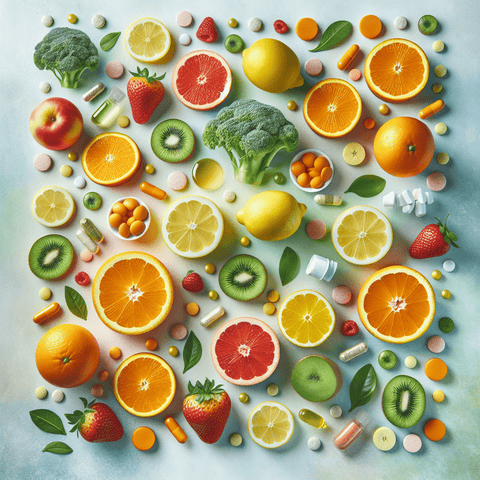
Natural vitamin c sources come from a wide range of everyday foods. This page highlights natural vitamin c sources and helps you spot which items typically carry notable amounts. You’ll see how different flavors and textures fit into easy, tasty picks for everyday meals and snacks. By focusing on natural vitamin c sources, you can mix up routines while keeping things simple. Common natural vitamin c sources include citrus fruits like oranges and grapefruits, berries such as strawberries, kiwifruit, red bell peppers, broccoli, and guava. Some foods are known for higher levels, with red peppers and guava often cited among top options, while leafy greens and tomatoes contribute as well. Content varies by variety, ripeness, and season, so the lineup can shift throughout the year. To maximize the usefulness of natural vitamin c sources in your menu, keep preparation simple: wash and slice fruits right before eating, and prefer fresh or lightly cooked options over long storage or heavy processing. Light steaming, quick sautés, or eating items raw are common approaches that help preserve vitamin C content in foods. Pairing different sources across meals adds variety to simple, tasty picks. Explore these natural vitamin c sources in everyday meals and snacks, from bright fruit salads to crisp veggie plates. The key is to choose a mix of options so your days stay colorful and flavorful, while keeping the focus on natural vitamin c sources.
Top Natural Vitamin C Sources to Boost Immunity
What Is Buffered Vitamin C and Why Choose It?Buffered vitamin C, such as sodium ascorbate or calcium ascorbate, is a form of vitamin C bound to a mineral. This buffering process reduces acidity, making it gentler on the stomach than plain ascorbic acid. For individuals with sensitive digestion, buffered vitamin C offers an effective way to support immune function and antioxidant protection without gastrointestinal discomfort.Buffered vs. Liposomal Vitamin C: Which Is Better?Liposomal vitamin C encapsulates the nutrient in lipid layers, enhancing absorption and intracellular delivery. While liposomal forms may achieve higher blood levels, buffered vitamin C remains a reliable and cost-effective option, particularly for those who prioritize digestive tolerance. The choice depends on individual needs: liposomal for maximum absorption, buffered for stomach comfort.How to Choose the Best Buffered Vitamin C SupplementWhen selecting a buffered vitamin C supplement, consider the mineral used (sodium or calcium), the presence of bioflavonoids, and the product's purity. Look for formulations without artificial additives, and choose reputable brands that comply with EU regulations. Always consult a healthcare professional before starting high-dose supplementation, especially if you have underlying health conditions.

Vitamin C-Rich Foods: Your Best Dietary SourcesVitamin C, or ascorbic acid, is an essential nutrient that supports immune function, collagen production, and antioxidant defense. Since your body cannot produce it, you must obtain it from food or supplements. Many fruits and vegetables are excellent sources, with some—like guava, red bell peppers, and kiwi—containing even more vitamin C than oranges. Including a variety of these foods in your daily meals helps you meet your needs naturally while also providing fiber, polyphenols, and other beneficial plant compounds.How to Maximize Vitamin C from Your DietTo get the most vitamin C from your food, choose fresh, ripe produce and eat it raw or lightly cooked. Vitamin C is water-soluble and sensitive to heat, so boiling can significantly reduce its content. Steaming or blanching vegetables briefly helps retain more of the nutrient. Citrus fruits, berries, and vegetables like broccoli and Brussels sprouts are versatile options that can be easily added to salads, smoothies, and stir-fries. Pairing vitamin C-rich foods with iron-rich plant foods can also enhance iron absorption.Supplements vs. Whole Foods for Vitamin CWhile whole foods are the preferred source for vitamin C due to their nutritional synergy, supplements can be useful in certain situations, such as during illness or when dietary intake is limited. At moderate intakes, your body absorbs 70–90% of dietary vitamin C, but absorption decreases with high-dose supplements. If you consider supplementation, consult a healthcare provider to determine your specific needs. For those seeking high-quality options, Topvitamine.com offers a curated collection of vitamin C supplements designed to support immune health and antioxidant function.

Discover the top vitamin C fruits and natural vitamin C sources that support immunity, collagen production, iron absorption, and cellular protection. Acerola cherries, Kakadu plums, and guava rank among the highest vitamin C fruits, while kiwi, strawberries, blackcurrants, and papaya provide additional antioxidant benefits. Citrus fruit benefits include accessible vitamin C, flavonoids, hydration, and anti-inflammatory support from oranges, grapefruit, lemons, and limes. This guide explains daily vitamin C intake recommendations, ways to preserve vitamin C in fresh and frozen produce, and how fruit-based supplements can help provide consistent immune support when dietary needs are higher.
Pure vitamin C is concentrated ascorbic acid, an essential water-soluble nutrient that supports collagen production, iron absorption, wound healing, and immune system support. Vitamin C supplements provide convenient, precise dosing in powders, tablets, capsules, and effervescent forms, while natural vitamin C sources such as citrus fruits, berries, peppers, broccoli, and leafy greens also supply beneficial fiber and phytochemicals. Research shows synthetic and natural vitamin C are chemically identical, though whole foods offer additional nutrients. Key antioxidant benefits include protection from oxidative stress and regeneration of vitamin E. Choosing high-quality formulations and following appropriate vitamin C dosage guidelines can help support overall health.

Discover Vitamin C-rich foods that support immune health, collagen production, iron absorption, and cellular protection. This guide highlights natural vitamin C sources, including citrus fruits, red bell peppers, broccoli, strawberries, guava, kiwi, and leafy greens, while explaining citrus vitamin C content and the benefits of plant-based vitamin C. Explore superfoods high in vitamin C, such as acerola, camu camu, amla, and rose hips, along with vitamin C antioxidant foods rich in flavonoids and other phytonutrients. Learn how to preserve Vitamin C through proper storage and preparation, when supplements may help, and how to spread intake throughout the day for optimal absorption.