
Welcome to a guide on natural vitamin d-rich foods. In this context, the phrase natural vitamin d-rich foods refers to sources that contain the nutrient in its naturally occurring form. This page explains what qualifies as such sources and how they can be identified in nutrition resources. The focus remains on understanding the category without venturing into product specifics. Natural vitamin d-rich foods exist across different types of foods, and recognizing them can help you compare options. When researching, look for reliable information that describes the nutrient content in natural forms rather than synthetic additions. Keep in mind that amounts can vary by origin, preparation, and serving size. The concept emphasizes variety and context rather than a single best option. To add natural vitamin d-rich foods to a diet today, plan around different meal occasions and preparation styles. Consider how to balance flavors, textures, and routines while keeping an eye on portion sizes and frequency. You can explore multiple approaches to include this category in your daily meals, such as integrating ideas into plans, without centering on any single item. This approach supports a broader understanding of the nutrient landscape. For further guidance, consult with a nutrition professional or draw on reputable resources that discuss natural vitamin d-rich foods. This page aims to present the concept and invite readers to explore the options that fit their preferences and goals. If you have questions, you can reach out for tailored information.
Top Natural Vitamin D-Rich Foods for Strong Bones and a Better Mood
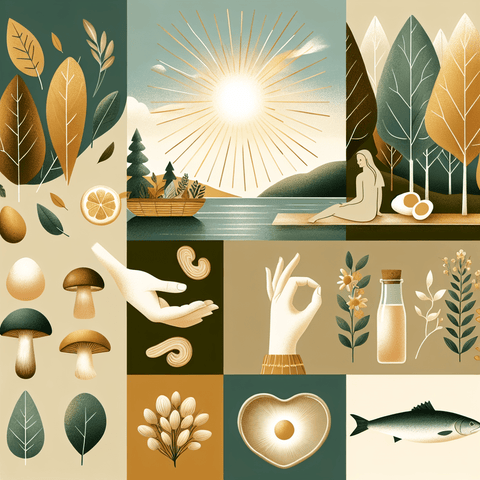
Understanding Natural Vitamin D: From Sunlight to SupplementsVitamin D, often called the “sunshine vitamin,” is a fat-soluble nutrient that the body produces when skin is exposed to ultraviolet B (UVB) rays. It is also found in certain foods and supplements. Natural vitamin D comes in two main forms: vitamin D3 (cholecalciferol), which is produced in the skin and found in animal-based foods as well as lichen, and vitamin D2 (ergocalciferol), which is often sourced from mushrooms. The most natural form of vitamin D is that which the body synthesizes from sun exposure, but for many people, supplements can be a practical way to maintain healthy levels. When choosing a supplement, look for vitamin D3, which is up to three times more effective at raising and maintaining vitamin D levels compared to D2, and check for sourcing that aligns with your preferences, such as lanolin (from sheep’s wool) or vegan lichen.Natural Sources of Vitamin D: Food, Sunlight, and Holistic HabitsA holistic approach to vitamin D includes regular, moderate sun exposure, consuming vitamin D-rich foods, and maintaining habits that support overall health. Sun exposure of about 10 to 30 minutes of midday sun several times a week can help many people produce sufficient vitamin D, though factors like skin tone, latitude, season, and sunscreen use affect this. Among foods, fatty fish such as salmon, mackerel, and sardines provide some of the highest amounts of naturally occurring vitamin D, along with egg yolks and cod liver oil. Since vitamin D is fat-soluble, eating these foods with healthy fats like olive oil or avocado can improve absorption. Lifestyle choices such as regular outdoor activity can also support natural vitamin D synthesis, while excessive indoor living and high-SPF sunscreen use can reduce UVB exposure.How to Choose the Best Natural Vitamin D Supplement for YouWhen selecting a natural vitamin D supplement, consider form, sourcing, and purity. Vitamin D3 (cholecalciferol) is the preferred form because it is more bioavailable and longer-lasting than vitamin D2. Natural D3 can be derived from lanolin or, for vegan options, from lichen. Non-synthetic supplements avoid artificial additives and often feature clean labels with organic carrier oils and third-party testing. Look for certifications such as USDA Organic or Certified Vegan, and consider supplements that pair vitamin D with cofactors like vitamin K2 or magnesium for more complete support. For those on plant-based diets, lichen-derived D3 offers a vegan-friendly alternative that is comparable in efficacy. Always check labels for sourcing transparency and purity standards, and consult a healthcare professional if you have health conditions or are taking medications that could interact with vitamin D supplementation.