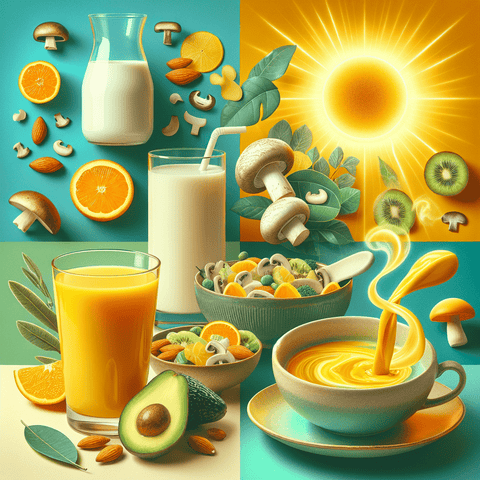
Vitamin D is a crucial nutrient that plays a significant role in various bodily functions, including bone health, immune support, and mood regulation. In this article, we will explore natural vitamin D sources, including sunlight, foods, and practical ways to enhance your vitamin D levels. Understanding these sources is essential, especially given the rising concerns about vitamin D deficiency. You'll learn how to support your health through natural means and when it might be beneficial to consider nutritional supplements. This comprehensive guide will help you make informed choices for better well-being.
Introduction — Natural Vitamin D Sources: Overview, Intent, and Reader Journey
The primary keyword and search intent: natural vitamin D sources
The search for natural vitamin D sources stems from a growing awareness of the nutrient's importance for overall health. Many individuals are looking for effective ways to increase their vitamin D levels, particularly in light of lifestyle factors that may limit sun exposure and dietary intake.
How this article guides you from information to practical action
This article serves as a roadmap, taking you from understanding the critical aspects of vitamin D, such as its functions and sources, to identifying the steps you can take to improve your vitamin D status. Whether through sunlight, diet, or supplements, we aim to provide actionable insights.
What you’ll learn: sunlight, foods, supplementation basics, and shopping on Topvitamine.com
Readers will discover various natural vitamin D sources, learn how vitamin D functions in the body, and navigate the complexities of supplementation. Additionally, we'll share insights on how to shop for quality vitamin D products on Topvitamine.com.
Core Explanation of the Topic
What are natural vitamin D sources?
Natural vitamin D sources can be categorized into several groups:
- Sunlight exposure as a primary source: The skin synthesizes vitamin D when exposed to UVB rays from sunlight. Just 10 to 30 minutes of midday sun exposure can significantly boost vitamin D levels for most individuals.
- Dietary sources: foods that naturally contain vitamin D: Foods such as fatty fish (salmon, mackerel), liver, egg yolks, and cheese are rich in vitamin D. Including these in your diet can help improve your levels.
- Fortified foods and how they contribute: Many products like milk, orange juice, and breakfast cereals are fortified with vitamin D to help populations meet their nutritional needs.
- Supplements as a third pillar when natural sources aren’t enough: When adequate sunlight or dietary sources are insufficient, vitamin D supplements can effectively increase levels, particularly for high-risk groups.
How vitamin D works in the body
Vitamin D plays multiple roles, including:
- Role in bone health and mineral balance: It enhances calcium absorption in the gut and maintains sufficient serum calcium and phosphate concentrations, which are critical for bone formation.
- Emerging roles in immunity, mood, and other systems: Research is uncovering links between vitamin D and respiratory function, mental health, and even chronic disease management.
- Why levels matter for overall health and well-being: Maintaining adequate vitamin D levels is essential for preventing bone-related diseases such as osteoporosis and may influence long-term health outcomes.
Why This Topic Matters
Public health context and trends
Vitamin D insufficiency and deficiency are widespread globally. Factors influencing this prevalence include geographical location, skin color, and lifestyle. For instance, individuals living in areas with limited sunlight or those who spend most of their time indoors may be particularly vulnerable.
Practical impact on everyday health
Insufficient vitamin D levels can lead to tangible health concerns:
- Relationship to bone density and fracture risk: Low levels are linked to decreased bone density, increasing the risk of fractures.
- Immune resilience: Vitamin D is crucial for immune system functioning, helping to lower the risk of infections.
- Potential links to energy, mood, and chronic disease risk: Low levels have been associated with fatigue and mood disturbances, and emerging studies suggest a possible connection to chronic diseases.
Related Symptoms, Signals, or Health Implications
Common signs of low vitamin D
Symptoms can be subtle and may include:
- Bone or muscle discomfort
- Frequent infections
- Fatigue
- Mood changes, such as increased feelings of sadness
Health implications of insufficient levels
Low vitamin D has significant health implications:
- Impact on calcium absorption: Insufficient vitamin D can lead to poor calcium absorption, resulting in weaker bones.
- Bone turnover and long-term skeletal health: Chronic deficiency may result in conditions like rickets in children or osteomalacia in adults, leading to deformities or pain.
- Possible associations with immune function and inflammatory processes: Inadequate levels may negatively affect immune systems, increasing susceptibility to diseases.
Individual Variability and Uncertainty
Factors that influence vitamin D needs
Vitamin D needs vary considerably among individuals due to factors such as age, skin pigmentation, body mass index (BMI), and geographic latitude. For example, older adults often have decreased capacity to synthesize vitamin D.
Lifestyle and environmental variables
Several lifestyle and environmental factors affect vitamin D levels:
- Sun exposure patterns: Spending time outdoors is vital, but urban living may limit this exposure.
- Dietary habits: Vegan or vegetarian diets may lack sufficient natural sources of vitamin D.
- Clothing and indoor-centric living: In many cultures, clothing that covers the skin can reduce sunlight exposure significantly.
Uncertainty and range of optimal levels
Individual variability extends to the interpretation of 25(OH)D test results, as optimal levels can differ widely based on personal health goals and conditions.
Why Symptoms Alone Do Not Reveal the Root Cause
Symptom overlap and misattribution risks
Symptoms of low vitamin D often overlap with other health conditions, making it essential to consider a variety of factors. Fatigue, for instance, can result from numerous causes, such as stress or nutritional deficiencies beyond vitamin D.
The role of objective testing
Conducting a 25(OH)D test can provide important insights into vitamin D status. However, reliance solely on one measurement can overlook broader health issues, making it equally vital to consider clinical findings and lifestyle factors.
The Role of Nutritional Supplements in This Topic
Evidence base for supplements
Vitamin D supplements are beneficial in specific scenarios:
- When supplementation is appropriate: Individuals diagnosed with deficiency or at high risk due to factors like malabsorption conditions may require supplementation.
- Practical expectations and limitations: Supplements should not replace natural sources but can complement when those are insufficient.
Vitamin D forms and dosages
Understanding the types of supplements can aid informed choices:
- Vitamin D3 vs D2: Vitamin D3 (cholecalciferol) is typically more effective at raising blood levels than vitamin D2 (ergocalciferol).
- Common dosing ranges: Generally, daily doses range from 600 to 800 IU for maintenance, while higher doses may be necessary to correct deficiency.
- Safety considerations: Awareness of the tolerable upper intake level is essential to prevent toxicity.
How Nutritional Supplements Could Support
Integrating supplements with sun exposure and diet
Sun, foods, and supplements can work synergistically. For example, if you live in a region with limited sunlight, incorporating supplements may be essential for maintaining healthy levels alongside a balanced diet.
Practical guidance for choosing supplements
- Factors to consider: Look for bioavailable forms, appropriate dosage, and options that fit dietary restrictions (like vegan vitamins).
- Reading labels: Understanding units of measurement (IU vs micrograms), daily values, and expiration dates can help ensure quality.
- Considerations for interactions: Always consult with a healthcare professional if taking medications or managing existing conditions.
Decision-Support Section (When Nutritional Supplements Make Sense)
Uncertainty about effectiveness and the limits of guessing
Making informed decisions about supplementation can be difficult. Relying on personal experience or symptoms alone without objective testing may not provide a complete picture.
Situations where supplements become relevant
Consider supplements in these scenarios:
- Limited sun exposure during winter months or in high-latitude regions
- Higher risk groups like the elderly, those with darker skin, or individuals with malabsorption issues
- Post-deficiency restoration or long-term maintenance following treatment for deficiency.
How to design a practical supplement plan
A practical approach involves:
- Testing when advisable to determine baseline levels
- Tailoring doses according to individual needs and risks
- Rechecking levels periodically in consultation with healthcare providers, utilizing appropriate lab benchmarks to ensure safety and effectiveness.
Clear Concluding Section Connecting the Topic to Buying Nutritional Supplements on Topvitamine.com
How to shop on Topvitamine.com for vitamin D supplements
Shopping for vitamin D supplements on Topvitamine.com can be simplified by understanding your needs and reviewing product options that fit your lifestyle and dietary constraints.
Why Topvitamine is relevant for natural vitamin D sources support
Topvitamine emphasizes quality and transparency in its offerings, making it easier to find vitamin D3, vitamin D2, and vegan options tailored to individual health needs.
Final takeaway and next steps
By exploring Topvitamine’s vitamin D products, you'll find a range of options to support a balanced approach through sunlight, diet, and evidence-based supplementation as needed.
Key Takeaways
- Sunlight, dietary sources, and supplements are the three primary natural vitamin D sources.
- Maintaining adequate vitamin D levels is crucial for bone health and immune function.
- Symptoms of low vitamin D can overlap with other health issues, making testing important.
- Supplementation may be necessary for individuals at risk of deficiency.
- Choosing quality supplements requires understanding labels and consulting healthcare professionals.
- Topvitamine provides diverse, reliable sources of vitamin D to aid in health management.
Q&A Section
1. What are the best natural sources of vitamin D?
The best natural sources of vitamin D include sunlight exposure and foods such as fatty fish, egg yolks, and fortified products like milk and cereals.
2. How much sunlight do I need for adequate vitamin D?
Typically, about 10 to 30 minutes of midday sun exposure several times a week can help most individuals produce sufficient vitamin D, although this can vary based on skin type and geographical location.
3. What are the symptoms of vitamin D deficiency?
Common symptoms of vitamin D deficiency include bone pain, muscle weakness, fatigue, and mood changes, but these can also relate to other health issues.
4. Can I get enough vitamin D through diet alone?
While certain foods can help, many individuals may not achieve adequate levels through diet alone, especially those with dietary restrictions or limited access to fortified foods.
5. What is the difference between vitamin D2 and D3?
Vitamin D3 (cholecalciferol) is generally more effective than vitamin D2 (ergocalciferol) at raising blood levels of vitamin D and is preferred for supplementation.
6. Are there groups at higher risk for vitamin D deficiency?
Yes, those at higher risk include older adults, individuals with darker skin, people living at high latitudes, and those with certain health conditions like malabsorption.
7. How can I tell if I need a vitamin D supplement?
A healthcare provider can recommend a 25(OH)D test to determine your vitamin D status, helping you decide if supplementation is necessary.
8. What is the recommended daily intake of vitamin D?
The recommended daily intake for adults generally ranges from 600 to 800 IU, with higher amounts suggested for those who are deficient.
9. Can taking too much vitamin D be harmful?
Yes, excessive vitamin D intake can lead to toxicity, resulting in hypercalcemia and other health issues. It is important to stick within the tolerable upper intake levels.
10. How do I choose a vitamin D supplement?
When selecting a vitamin D supplement, consider the form (D2 vs. D3), dosage, and third-party testing for quality assurance. It's also key to find options that suit your dietary preferences, such as vegan formulations.
11. What time of year should I be most concerned about vitamin D levels?
Individuals tend to be at greater risk of deficiency during the winter months or in areas with limited sunlight, making it essential to monitor levels during these times.
12. Does vitamin D affect mental health?
Emerging research suggests a link between vitamin D levels and mental health conditions, including depression, though more studies are necessary to fully understand these connections.
Keywords
natural vitamin D sources, sunlight exposure, vitamin D-rich foods, vitamin D supplements, health implications, vitamin D deficiency, dietary sources, vitamin D levels, immune support, bone health