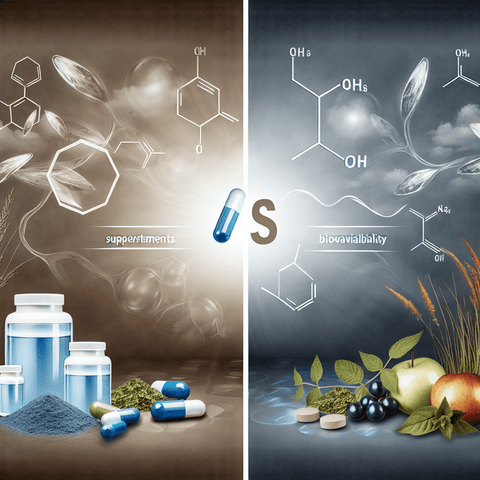
When it comes to nutritional health, the debate of natural vs synthetic sources of vitamins and supplements often surfaces, prompting a critical examination of what truly benefits our bodies. This article delves into the distinctions between these two categories, exploring their implications for health, the effectiveness of each form, and how to navigate the complex decisions surrounding nutritional supplementation. By the end, readers will be empowered with science-backed insights that guide their choices, particularly when considering the wide range of supplements available on Topvitamine.com.
What 'Natural' vs 'Synthetic' Means in Nutrition and Supplements
The terms "natural" and "synthetic" denote the origins and formulations of nutritional components. Natural nutrients are derived from plant or animal sources, existing in their entirety within whole foods. These compounds occur in a complex matrix alongside other beneficial phytochemicals, fibers, and enzymes, potentially enhancing their bioavailability and effectiveness. In contrast, synthetic nutrients are typically created in laboratories through chemical processes. These isolated compounds may mimic their natural counterparts but can differ in molecular structure—often leading to differences in how the body metabolizes them.
Common formats of supplements reflect this distinction. Natural extracts may offer whole-food concentrates, while synthetic nutrients often appear in isolated forms. Understanding this difference is crucial, as it can influence efficacy, absorption, and health outcomes.
Core Differences: How Source and Form Translate to Health Effects
Bioavailability and Potency: Do Natural Forms Work Differently?
Bioavailability refers to the proportion of a nutrient that is absorbed and utilized by the body. Natural forms of nutrients often feature a more complex composition, which may enhance their absorption and effectiveness. For instance, studies suggest that natural vitamin E exhibits higher bioactivity than its synthetic counterpart. Identifying which form works best for individual needs involves considering both bioavailability and personal health conditions.
Common Forms and Examples That Often Cause Confusion
- Vitamin E: Natural d-α-tocopherol is often considered more bioavailable than synthetic dl-α-tocopherol.
- Vitamin D: D3 (cholecalciferol) is often preferred over D2 (ergocalciferol) for its efficacy in raising vitamin D levels.
- Folic Acid vs L-Methylfolate: L-methylfolate, the natural form, may be more easily utilized by individuals with genetic variations affecting folate metabolism.
- Omega-3s: EPA and DHA from marine sources may have better absorption compared to plant-derived ALA.
- Magnesium: Forms like citrate and glycinate are often more bioavailable than magnesium oxide.
Safety, Quality, and Regulatory Considerations
The safety and quality of supplements can vary significantly. Regulatory bodies often have less stringent oversight over supplements than pharmaceuticals, making it critical to understand labeling and quality control issues. Consumers should seek products with clear labeling that indicates sourcing and production quality, along with third-party testing assurance.
Why the Natural vs Synthetic Choice Matters for Everyday Health
Implications for Energy, Immunity, and Aging
The choice between natural and synthetic nutrients can impact health aspects such as energy production, immune support, and age-related health needs. For example, deficiencies in certain nutrients can hinder energy levels, while adequate vitamin D supports immunity and bone health.
Cost, Accessibility, and Practical Decision-Making
Pricing for natural vs synthetic supplements can vary, with natural forms sometimes being more expensive. Accessibility also plays a role; readers should consider the balance between cost and nutrient quality when creating their supplementation strategies. For a deeper understanding of supplement categories, you might explore our natural supplements collection.
Related Symptoms, Signals, or Health Implications to Watch For
Common Signs That Nutrients May Be Involved
Symptoms such as fatigue, changes in skin/hair/nails, joint discomfort, cognitive shifts, and digestive irregularities often indicate potential nutrient deficiencies. Monitoring these signs is essential for recognizing when to evaluate dietary intake or consider supplementation.
Contextual Indicators That Point to Specific Nutrients
- Fatigue: Persistent fatigue might suggest a need for iron, particularly in women or vegetarians.
- Pale skin: This can signify iron deficiency anemia.
- Bone discomfort: May indicate insufficient Vitamin D and calcium levels.
- Mood changes: These can be associated with deficiencies in B vitamins.
Individual Variability and Uncertainty in Nutrient Needs
How Genetics, Age, and Life Stage Affect Requirements
Individual needs for nutrients can differ based on factors like genetics, age, and life stages, such as pregnancy or menopause. Each phase of life can influence nutrient metabolism and absorption; thus, women in pregnancy may need more folate, while older adults often require higher levels of vitamin B12 and D. This means that the 'best' choice between natural and synthetic may be different for everyone.
Gut Microbiome, Absorption, and Interactions
The gut microbiome plays a significant role in nutrient absorption. Variability in gut health can either facilitate or impede the benefits of natural and synthetic nutrient forms, further complicating supplementation needs.
Medication Interactions and Health Conditions
Many medications can alter nutrient needs or the efficacy of supplements. For example, certain diuretics can affect potassium levels, necessitating careful monitoring or additional supplementation. It's important to consider these factors when choosing between natural and synthetic forms.
Why Symptoms Alone Do Not Reveal the Root Cause
The Limitation of Self-Diagnosis Based on Signs Alone
Symptoms are often non-specific and can manifest due to multiple factors. This complexity can lead to misinterpretation, resulting in inappropriate supplementation strategies.
The Importance of Objective Assessment
Utilizing lab tests and dietary analysis can provide more accurate insights into nutrient status. Professional guidance remains essential for interpreting these results and formulating an effective plan.
The Role of Nutritional Supplements in This Topic
Complement, Not a Replacement: How Supplements Fit Into a Healthy Strategy
Supplements should augment a balanced diet rather than substitute for whole foods. Proper nutrition aims to bridge gaps while emphasizing the importance of whole dietary sources.
Common Safety Considerations and Quality Signals
Look for high-quality supplements backed by third-party testing. Understanding ingredient purity and transparency about nutritional formats is vital for identifying effective options. For related products, you can check our multivitamins guide.
How Nutritional Supplements Could Support Health in the Natural vs Synthetic Context
Nutrients with Clear Relevance to the Natural vs Synthetic Debate
Nutrients such as magnesium, Vitamin D, omegas, and B vitamins are essential to consider when evaluating the pros and cons of natural vs synthetic forms. For more information on magnesium, explore our magnesium benefits page.
Practical Scenarios Where Choosing One Form Over Another Matters
Specific life stages and dietary restrictions may require thoughtful supplementation choices. For instance, pregnant women may benefit from L-methylfolate rather than standard folic acid, while older adults need access to bioavailable forms of Vitamin D and B12.
Reading Labels and Interpreting Claims
Deciphering labels requires recognizing what "natural" claims genuinely indicate and determining scientific backing associated with product efficacy. Look for transparency about the specific form of nutrient used (e.g., 'd-α-tocopherol' vs 'dl-α-tocopherol').
Decision-Support Section: When Nutritional Supplements Make Sense
A Practical Decision Flow for Choosing Supplements
- Step 1: Assess your dietary intake, noting any potential nutrient gaps.
- Step 2: Identify life stage needs and risk factors, such as health issues or medications.
- Step 3: Conduct objective testing when necessary and consider professional consultation.
- Step 4: Choose forms based on evidence and individual needs regarding natural vs synthetic options.
- Step 5: Start with a low-risk option; monitor impact and adjust as needed.
Red Flags Indicating Supplementation May Be Necessary
Consider supplementation when dietary limitations lead to nutrient deficiencies or chronic conditions significantly impact health. For instance, limited sun exposure may necessitate additional Vitamin D.
When to Avoid or Pause Supplementation
Supplementation should be avoided if nutrient levels are adequate or if the possibility of adverse interactions exists. Quality control is essential when considering products.
Practical Guidance for Choosing and Buying Supplements
How to Translate the Natural vs Synthetic Discussion into Product Selection
Utilizing product pages that clearly label nutrient forms and provide a scientific rationale can aid in making informed choices.
Quality and Safety Signals to Seek
Look for third-party testing, ingredient transparency, and products free of unnecessary additives. These factors signal reliability in quality.
Conclusion: Connecting the Natural vs Synthetic Discussion to Actionable Health Choices
Key Takeaways About When Natural or Synthetic Forms May Be Preferable
Understanding dietary gaps, life stages, absorption factors, and the strength of evidence can help frame decisions about whether to opt for natural or synthetic sources of nutrients.
Next Steps for Readers
Evaluate personal nutritional needs, consult with health professionals, and explore Topvitamine's evidence-informed selections for optimal health enhancement.
Key Takeaways
- Natural nutrients typically come from whole food sources, while synthetic ones are often lab-created.
- Bioavailability may differ between natural and synthetic forms, potentially influencing efficacy.
- Common nutrients, like Omega-3 and Vitamin D, demonstrate clear differences in source effectiveness.
- Pay attention to individual health conditions and life stages when considering supplementation.
- Regular assessment of dietary intake and nutrient status is vital in guiding supplement choices.
- Consult professionals for objective assessments to avoid misdiagnosis and over-supplementation.
- Look for high-quality supplements with third-party testing and transparent labels.
- Always consider dietary sources primarily, with supplements as a secondary support strategy.
Q&A Section
What is the difference between synthetic and natural?
A natural substance is derived from plant, animal, or mineral sources. A synthetic substance is created in a laboratory. Synthetic items are often designed to mimic natural ones, but they have a different origin and are chemically manufactured.
Does synthetic mean real or fake?
"Synthetic" does not mean "fake" in the sense of being a counterfeit. It means something is artificially made through a chemical process. Synthetic materials are real in that they exist, but they are human-made rather than naturally occurring.
Can synthetic be natural?
No, the terms are mutually exclusive. A product cannot be both synthetic and natural. However, synthetic versions can be chemically identical to, or designed to mimic, natural substances. The distinction depends on the source: natural ingredients come from nature, while synthetic ones are made in a lab.
What are the main differences between natural and synthetic vitamins?
Natural vitamins are derived from food sources and exist alongside other beneficial compounds, which may improve absorption. In contrast, synthetic vitamins are created in laboratories and may have a slightly different chemical structure, affecting their bioavailability and overall effectiveness.
Are natural supplements always better than synthetic?
Not necessarily. While some natural supplements may have better absorption rates, some synthetic forms (like folic acid) have been shown to be well-absorbed and effective in certain scenarios. The best choice depends on the specific nutrient and individual health needs.
How can I know if I need a supplement?
Consulting with a healthcare provider, assessing your diet for gaps, and monitoring symptoms can help determine the need for supplements. Nutrient deficiencies can sometimes be more effectively addressed through dietary adjustments rather than supplementation alone.
How do I choose quality supplements?
Look for brands that conduct third-party testing, use clear and identifiable labeling, and provide transparent ingredient lists. Avoid products with excessive fillers or additives.