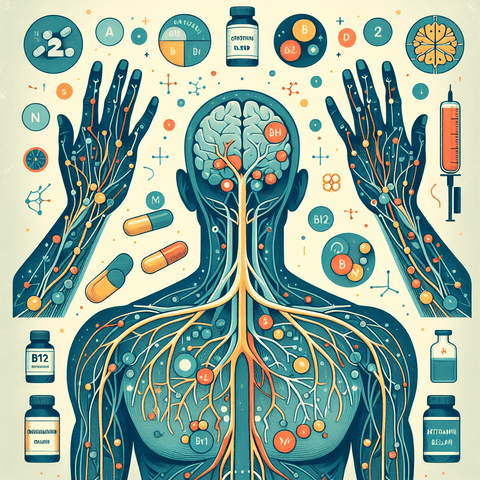
Neurological symptoms can often be alarming, prompting concerns about underlying health issues. This article explores the definition and breadth of these symptoms, offering insight into red flags indicating when to seek help. Readers will learn about the causes of neurological symptoms, the significance of timely evaluation, and the role of nutritional supplements in supporting nerve health. Understanding these components is crucial for making informed health decisions and maintaining well-being.
Introduction
Neurological symptoms: definition, scope, and why readers should care
Neurological symptoms encompass a wide range of signs that may indicate dysfunction within the nervous system. These can include sensations such as numbness or tingling, motor difficulties like weakness, and cognitive challenges such as confusion. Recognizing these symptoms is vital because they can signal serious health issues requiring urgent care.
Article aim: move from informational insight toward practical, evidence-aligned supplement awareness
This article aims to provide readers with a comprehensive understanding of neurological symptoms and their implications. It will guide you from basic insights into symptoms and causes to practical advice about nutritional supplements that may support neurological health.
Quick roadmap: what sections cover and how to use this guide for decision-making
We will explore the nature of neurological symptoms, the potential seriousness of certain signs, related health implications, individual variability, the diagnostic process, and the role of nutritional supplements in supporting nerve function. This guide will equip you with the knowledge needed to discern when to seek help and how supplements may play a role in your health.
Core explanation of the topic
What are neurological symptoms? Patterns, classifications, and common examples
Neurological symptoms can classify into various patterns, from sensory changes like numbness and tingling to motor problems such as weakness and coordination issues. Other common examples include changes in vision, difficulty speaking, and memory challenges. Understanding these symptoms is essential in recognizing potential neurological disorders.
How the nervous system signals problems: from sensation to motor function and cognition
The nervous system comprises the central nervous system (CNS) and peripheral nervous system (PNS). Problems may manifest as sensory disturbances, motor dysfunction, or cognitive impairments, reflecting the area of the nervous system that is affected. The interconnectedness of these functions means that symptoms in one domain can signal issues in another.
Central vs. peripheral nervous system symptoms: distinguishing features and implications
Central nervous system symptoms often relate to issues affecting the brain and spinal cord, resulting in cognitive impairment or motor control problems. In contrast, peripheral nervous system symptoms typically derive from nerve damage and may lead to localized sensations such as weakness or pain. Distinguishing between these symptoms is crucial for accurate diagnosis and treatment.
Why this topic matters
Potential seriousness of acute neurological signs: red flags that require urgent care
Recognizing acute neurological symptoms is vital, as they may indicate conditions such as a stroke or transient ischemic attack (TIA). Symptoms like sudden weakness, facial droop, slurred speech, severe headache, and confusion should prompt immediate evaluation by a healthcare professional.
Everyday impact: quality of life, safety, and the importance of timely evaluation
Chronic neurological symptoms can significantly impact an individual's quality of life. Addressing these symptoms promptly is crucial for ensuring safety and maintaining daily functioning. Timely evaluation may prevent complications and enhance the management of underlying conditions.
Public health relevance: prevalence of non-acute but persistent symptoms and the role of lifestyle factors
Non-acute neurological symptoms like fatigue, headaches, and sensory changes are prevalent in the population. Lifestyle factors such as stress, poor diet, and insufficient physical activity may contribute to these symptoms, highlighting the importance of a holistic approach to health.
Related symptoms, signals, or health implications
Common related signals that may accompany neurological symptoms
Neurological symptoms often present with related signals, including headaches, dizziness, and fatigue. Understanding these associated symptoms can aid in identifying the broader context of neurological issues.
Signals that suggest immediate evaluation
Certain symptoms warrant urgent evaluation, including sudden weakness, facial drooping, slurred speech, severe headaches, and confusion. These signs may indicate serious conditions such as stroke or structural abnormalities in the brain that require immediate medical attention.
Longer-term health implications and how comorbidities can intersect with neurological signals
Chronic conditions such as hypertension, diabetes, and autoimmune diseases can significantly intersect with neurological symptoms. Managing these comorbidities is crucial to preventing acute neurological events and ensuring optimal brain health.
Individual variability and uncertainty
How age influences presentation and risk
Age significantly influences the presentation of neurological symptoms. Children may exhibit different signs compared to adults and older adults, with variations in symptom severity and types often correlated with age-related changes in the nervous system.
Sex/gender and hormonal factors that can alter symptom patterns
Sex and hormonal differences can lead to variability in neurological symptom presentation. Women may experience symptoms related to hormonal changes, influencing conditions like migraines and multiple sclerosis differently than men.
Genetic, lifestyle, and environmental modifiers of symptom expression
Genetics, lifestyle choices, and environmental factors play a crucial role in how neurological symptoms manifest. Personal history, diet, and activity levels can exacerbate or alleviate symptoms, showcasing the importance of personalized health approaches.
Embracing uncertainty: the limits of pattern recognition without medical testing
While patterns in neurological symptoms can guide understanding, it is essential to recognize the limitations of self-assessment. Comprehensive medical testing often reveals underlying issues that are not apparent through symptom observation alone.
Why symptoms alone do not reveal root cause
The diagnostic journey: history, physical exam, and how clues guide testing
The diagnostic process involves a detailed medical history, physical examinations, and sometimes advanced testing to uncover the underlying causes of neurological symptoms. These steps help healthcare providers discern between various potential diagnoses.
Differential diagnosis: broad categories
Neurological symptoms may arise from various categories, including vascular, infectious, inflammatory, autoimmune, metabolic, and nutritional causes. Being aware of these categories can help guide discussions with healthcare providers.
When to escalate care: recognizing red flags and the role of imaging, labs, and specialist input
Recognizing red flags necessitates prompt escalation of care, potentially involving imaging studies, laboratory tests, and specialist referrals to ensure accurate diagnosis and treatment.
The role of nutritional supplements in this topic
What the science says about supplements for neurological health: plausible benefits vs. limited or mixed evidence
Nutritional supplements have gained attention for their potential benefits in promoting neurological health. Research indicates that certain nutrients may support brain function, though evidence varies and may not be definitive in all cases.
Safety, quality, and interaction considerations
When considering nutritional supplements, safety, quality, and ingredient transparency are paramount. Understanding potential interactions with medications and evaluating supplement quality through third-party testing are essential practices.
Why supplements are not a substitute for professional care in acute or red-flag situations
While supplements can be beneficial in promoting overall health, they should not replace professional care in the presence of acute or concerning symptoms. Consulting with a healthcare provider ensures appropriate evaluation and management of neurological concerns.
How nutritional supplements could support
Key nutrients with plausible roles in nervous system health
- B vitamins: Essential for nerve function and energy metabolism, especially B12, B1, B6, and folate.
- Omega-3 fatty acids: Known for their anti-inflammatory properties, benefiting cognitive function (DHA/EPA).
- Magnesium: Plays a role in nerve transmission and can support overall brain health.
- Vitamin D: Important for neurological function and mood regulation.
- Antioxidants: Such as vitamin C, vitamin E, and selenium may protect against oxidative stress in the brain.
- Coenzyme Q10: Supports cellular energy production, which is crucial for nerve cells.
- Acetyl-L-carnitine: Associated with mitochondrial function and potential cognitive support.
- Alpha-lipoic acid: An antioxidant that may help in preventing oxidative damage.
- Curcumin: Known for its anti-inflammatory properties, though bioavailability is a consideration.
How these nutrients might help in chronic, non-acute contexts or in deficiency prevention
In chronic, non-acute scenarios, these nutrients may help maintain nervous system function, support cognitive health, and potentially prevent deficiencies associated with age or lifestyle factors.
Dietary sources vs supplements: when supplementation is appropriate to fill gaps
While dietary sources of these nutrients are ideal, supplementation may be necessary in cases of insufficient intake, certain medical conditions, or restricted diets. Understanding when to supplement ensures adequate nutrient levels.
Practical guidance on product quality and choosing credible options
When selecting nutritional supplements, look for products that have undergone third-party testing, feature transparent labeling, and are free from unproven claims. Assessing product quality is essential for safety and efficacy.
Integrating supplements with diet, sleep, physical activity, and medical care
Nutritional supplements should complement a holistic approach to health, including a balanced diet, regular physical activity, and adequate sleep. Seeking professional advice ensures supplements enhance overall well-being rather than replace medical care.
Decision-support section (when nutritional supplements make sense)
Situations where supplements could be a sensible adjunct
- Chronic mild symptoms with dietary gaps.
- Age-related risk for nutrient deficiencies, especially in older adults.
- Vegan or vegetarian diets may necessitate specific nutrient supplementation.
- Limited sun exposure, particularly for vitamin D.
- Individuals with malabsorption issues might benefit from supplementation.
Decision checklist to determine if supplements fit your plan
- Review symptom duration and stability—are there red flags present?
- Assess current medications for potential interactions.
- Evaluate existing medical conditions that may influence nutrient needs.
- Seek guidance from a qualified healthcare clinician.
Safe-start framework
- Consider starting with low-risk nutrients.
- Assess timeframe for observing effects.
- Monitor for potential side effects.
- Know when to stop supplementation or seek further evaluation.
How to work with clinicians and qualified professionals when considering supplements
Collaborating with healthcare providers when considering supplements is essential. Open dialogues help ensure appropriate integration of supplements into your health plan.
Uncertainty about whether nutritional supplements work
Evidence variability across nutrients and conditions
The effectiveness of nutritional supplements varies by nutrient and individual condition. Some may show significant benefits, whereas others may have limited evidence of effectiveness. Understanding this variability is vital for making informed decisions.
Setting realistic expectations: potential modest benefits and individuality of response
While some individuals may experience pronounced benefits from supplements, others may find minimal effects. Setting realistic expectations helps guide personal health strategies, emphasizing that outcomes can differ widely.
Guidance for conversations with healthcare providers about supplements
Discussing supplements with healthcare providers should involve sharing any concerns and existing health conditions. This collaborative approach allows for tailored recommendations based on individual risks and benefits.
Limitations of guessing
Risks of self-diagnosis and over-interpretation of symptoms
Self-diagnosis can lead to misinterpretation of symptoms, delaying necessary medical evaluation. Relying on professional assessments ensures accurate diagnoses and appropriate interventions.
The importance of objective assessment, imaging, labs, and clinician-driven plan
Objective assessments, including imaging and laboratory tests, provide crucial information that symptoms alone cannot reveal. A clinician-driven plan fosters effective management of neurological health.
How to use patient education to inform, not replace, professional evaluation
Patient education should serve as a tool for understanding health conditions and advocating for oneself rather than a substitute for professional examination. Trusting healthcare providers remains essential for accurate diagnoses and management.
Situations where nutritional supplements become relevant
Nutrient deficiency risk scenarios
Certain populations, including older adults, those adhering to stringent diets, and pregnant women, are at higher risk for nutrient deficiencies and may benefit from targeted supplementation.
Chronic, non-acute symptom patterns with persistent dietary gaps
Individuals with ongoing, mild neurological symptoms alongside dietary gaps may find nutritional supplementation beneficial in providing needed nutrients for overall health.
Adjunctive role after medical clearance or diagnosis
After receiving a medical diagnosis, supplements can serve a supportive role as part of a broader management plan, ensuring comprehensive care approaches.
Clear concluding section connecting the topic to buying nutritional supplements on Topvitamine.com
How to choose credible products on Topvitamine
When shopping on Topvitamine, prioritize choosing products that emphasize quality and efficacy. Look for brands that provide third-party testing and transparent ingredient lists.
Suggested product categories for neurological support
- Trusted omega-3 formulations that support brain health.
- B-complex options rich in essential B vitamins.
- Magnesium varieties promoting nerve function.
- Vitamin D to support overall neurological wellness.
- Antioxidant blends to protect against oxidative stress.
- Mitochondria-supporting supplements for cellular energy.
Practical shopping tips and responsible use
- Read labels carefully and check for third-party testing.
- Avoid supplements making exaggerated “cure” claims.
- Align product choices with dietary needs and medical advice.
Final note and call-to-action
Visit Topvitamine’s brain-health and nerve-support collections where you can filter products by the nutrients discussed and consult product pages for detailed ingredient information and certifications. Remember, evidence-informed selection and ongoing medical supervision are imperative as new symptoms emerge or change.
Emphasis on evidence-informed selection and ongoing medical supervision as new symptoms emerge or change
Navigating neurological health requires ongoing assessment and attention. While nutritional supplements may play a role in supporting overall health, staying engaged with your healthcare provider is critical, especially when symptoms present or evolve.
Key Takeaways
- Neurological symptoms encompass various signs indicating potential nervous system dysfunction.
- Recognizing red flags is essential for obtaining timely medical care.
- Individual factors, including age and genetics, influence symptom presentation and risk.
- Nutritional supplements can support nerve health, though they are not a substitute for professional care.
- Safe supplementation should occur under the guidance of healthcare professionals.
- Recognizing the limitations of self-diagnosis is crucial; objective assessment is vital.
- Understanding the variability and science behind supplements aids informed decision-making.
- Regular dialogue with clinicians about supplements enhances effective health strategies.
- Product quality and transparency are essential when selecting nutritional supplements.
- Practical application involves integrating supplements with a holistic health approach.
Q&A Section
What are red flags for neurological symptoms?
Red flags include sudden weakness, confusion, difficulty speaking, severe headache, and facial drooping. These symptoms can indicate serious conditions such as stroke and require immediate medical evaluation.
Which nutrients are most associated with nerve health?
Key nutrients for nerve health include B vitamins (like B12), omega-3 fatty acids, magnesium, vitamin D, and antioxidants. These nutrients play essential roles in maintaining neurological function and energy metabolism.
Can lifestyle choices impact neurological symptoms?
Yes, lifestyle choices such as diet, exercise, and stress management play significant roles in neurological health. A balanced diet rich in essential nutrients can help prevent some neurological symptoms.
When should I seek medical help for neurological symptoms?
Seek medical help if you experience sudden or severe symptoms such as weakness, speech difficulties, severe headaches, or confusion. These may indicate serious underlying conditions that require immediate attention.
Are nutritional supplements safe for everyone?
While many people benefit from nutritional supplements, safety can vary based on individual health conditions and medications. It is crucial to consult a healthcare provider before starting any new supplement.
How can I determine if I need nutritional supplements?
Consider your dietary intake, health status, and any symptoms you may have. Consulting with a healthcare provider can help determine if supplementation is necessary and appropriate for your needs.
Can supplements replace a healthy diet?
No, supplements should complement a healthy diet, not replace it. Whole foods provide a range of nutrients and benefits that supplements alone cannot replicate.
What are the most common side effects of nutritional supplements?
Common side effects can include gastrointestinal discomfort, headaches, and allergic reactions. It is critical to monitor for side effects and consult with a healthcare provider if they occur.
Do all supplements have the same effectiveness?
No, the effectiveness of supplements can vary widely among individuals and based on the specific nutrient. Some may find significant benefits, while others may experience minimal or no effects.
How often should I take nutritional supplements?
The frequency and dosage of supplements should depend on individual health needs and dietary intake. Following recommended guidelines or a healthcare provider’s advice is crucial.
What is the role of antioxidants in neurological health?
Antioxidants help combat oxidative stress in the nervous system, which can damage cells and contribute to neurological disorders. Nutrients like vitamin C, vitamin E, and selenium play important protective roles.
Keywords
neurological symptoms, red flags for neurological symptoms, causes of neurological symptoms, nutritional supplements for brain health, omega-3 for brain health, B vitamins for nerves, nervous system health, acute neurological symptoms, vitamin D for neurological health, magnesium benefits for nerve function.