
Neurotransmitter regulation is the brain's ongoing balancing act. It describes how chemical messengers—dopamine, serotonin, GABA, glutamate and others—are produced, released, and sensed, and how their signaling is timed and scaled across circuits that influence mood, attention, and thought. When neurotransmitter regulation operates smoothly, signals are clear and coordinated; when it shifts, you might notice changes in focus, energy, or mood. Science shows that these signals don't act in isolation; they form dynamic networks that adapt to daily experiences, learning, and stress. By understanding neurotransmitter regulation, you can view your mental states as the product of bustling, adjustable systems rather than fixed traits. The goal of science-backed tips is not a quick fix but practical ways to observe and influence these signaling processes through everyday habits. Simple, practical steps you can try today all tie back to neurotransmitter regulation by promoting stable patterns, flexible cognition, and mindful awareness. First, establish a predictable daily rhythm: consistent times for wakefulness and rest help the brain manage signaling cycles that influence alertness and concentration. Second, vary your cognitive tasks and give your brain opportunities to adapt—learn a small new skill, try a mental puzzle, or switch tasks to encourage flexible neural firing patterns. Third, build short mindfulness or breathing routines into the day to observe mental states and reduce unnecessary stress responses. Fourth, design a workspace that minimizes overload and allows moments of quiet focus, so signaling can resume with less distraction. These steps are non-prescriptive experiments you can tweak to see what aligns with your experience of neurotransmitter regulation in your own brain. Remember that neurotransmitter regulation is a complex, individualized process. The steps above are lightweight, science-informed approaches you can try to understand how your brain responds to daily patterns. Track what you notice over time—levels of focus, mood fluctuations, or how quickly ideas come to mind—and adjust accordingly. The aim is to support a balanced flow of signaling rather than to chase a single outcome. By framing actions through the lens of neurotransmitter regulation, you can cultivate a curious, patient approach to how your brain works, with simple, practical changes you can begin today.
Neurotransmitter Regulation: Unlock Mood, Focus & Brain Health
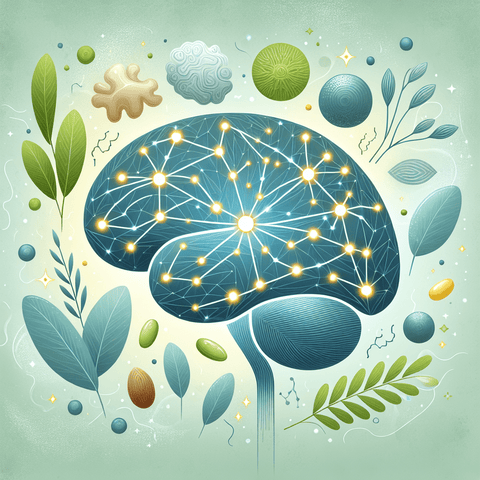
Magnesium brain functions support cognitive wellness through neurotransmitter regulation, neural excitability, and efficient brain energy production. Adequate magnesium may promote cognitive health benefits such as improved memory, learning, focus, and mental clarity while helping maintain nervous system health. By influencing serotonin, GABA, glutamate, and NMDA receptor activity, magnesium supports neurotransmitter balance and protects against excessive neuronal stimulation. Magnesium also contributes to stress reduction by moderating cortisol and promoting relaxation, which may benefit mood, sleep, and anxiety management. A magnesium-rich diet and appropriate magnesium supplements, including bioavailable forms, can help address deficiency and support overall brain health.