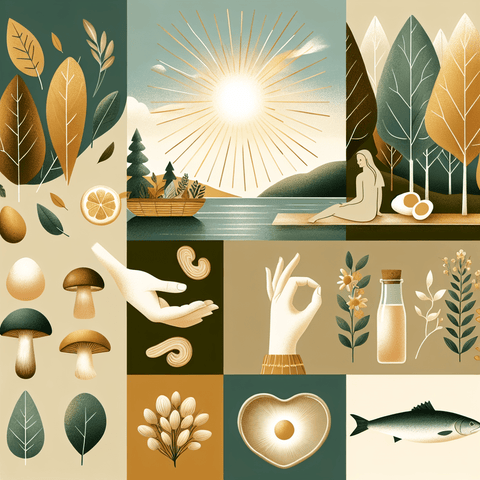
Non-synthetic vitamin D is a term used to describe forms of vitamin D that are not made through chemical synthesis in a laboratory. Instead, they are obtained through natural processes—such as sunlight exposure on the skin, extraction from lanolin, or plant and fungal sources like lichen. This page explores the broader topic of non-synthetic vitamin D, covering its natural origins, the main source categories, and the terminology used to describe them.
Whether you are comparing supplement labels, exploring vegan-friendly options, or simply curious about how vitamin D is produced in nature, understanding the non-synthetic landscape can help you make more informed choices. This guide provides a high-level map of the topic and points to related categories for further exploration.
What Makes Vitamin D Non-Synthetic?
The distinction between synthetic and non-synthetic vitamin D comes down to how the nutrient is produced. Synthetic vitamin D is typically manufactured in a lab through controlled chemical reactions. Non-synthetic vitamin D, by contrast, is derived from natural materials or biological processes. This does not necessarily mean that one form is inherently better than the other—both can be effective—but the distinction matters to people who prefer ingredients that align with natural, vegan, or cruelty-free principles.
It is also worth noting that the term 'non-synthetic' is not formally regulated in the supplement industry. As a result, its meaning can vary between brands and products. Reading labels carefully and looking for third-party certifications can help clarify what a particular product actually contains.
Natural Sources of Non-Synthetic Vitamin D
Non-synthetic vitamin D comes from several natural pathways. These sources can be grouped into three broad categories: sunlight, animal-derived materials, and plant or fungal sources.
Sunlight
Sunlight is the most well-known natural source. When UVB radiation from the sun reaches the skin, it initiates a photochemical reaction that converts a naturally occurring precursor into a form of vitamin D the body can use. The efficiency of this process depends on factors such as geographic location, season, time of day, cloud cover, and how much skin is exposed.
Lanolin
Lanolin is a waxy substance produced by sheep to protect their wool. It is a common source of non-synthetic vitamin D3 in supplements. Lanolin is animal-derived, so it is not suitable for those following a vegan lifestyle, but it is often considered non-synthetic because it comes from a natural material rather than lab-based chemical synthesis.
Lichen and Mushrooms
For plant-based options, lichen—a symbiotic organism composed of fungi and algae—is a popular source of vegan vitamin D3. Certain mushrooms exposed to UV light can also contain vitamin D2. These sources are often described as non-synthetic because they rely on biological processes rather than laboratory synthesis.
Synthetic vs Non-Synthetic Vitamin D: Key Differences
When comparing synthetic and non-synthetic vitamin D, several factors may be relevant depending on your priorities. The table below outlines broad differences in sourcing, certifications, and typical forms.
- Source: Synthetic D3 is typically made in a lab from cholesterol or other starting materials; non-synthetic D3 comes from lanolin, lichen, or whole-food sources.
- Certifications: Non-synthetic products may carry USDA Organic, Non-GMO Project Verified, or Vegan certifications, though these are not guaranteed.
- Form: Both synthetic and non-synthetic vitamin D are available as D2 or D3, though D3 is more commonly associated with animal-derived or lichen sources.
- Absorption: Both forms can be effective, but individual absorption may vary. This is a general consideration, not a medical claim.
It is important to note that 'non-synthetic' does not automatically mean 'better' or 'more effective.' The right choice depends on your personal values, dietary preferences, and health needs. For personalized advice, consult a qualified healthcare professional.
How to Identify Non-Synthetic Vitamin D Supplements
Because the term 'non-synthetic' is not strictly regulated, it helps to know what to look for on a supplement label. The following indicators can help you evaluate whether a product aligns with non-synthetic sourcing.
- Source listed: Look for specific mentions of lanolin, lichen, or mushrooms rather than vague terms like 'vitamin D3'.
- Certifications: Third-party seals such as USDA Organic, Non-GMO Project Verified, or Vegan can provide additional assurance.
- Fillers and additives: Some people prefer products without synthetic fillers, artificial colors, or preservatives.
- Brand transparency: Companies that clearly explain their sourcing and production methods are often more trustworthy.
For those seeking vegan-friendly options, lichen-derived D3 is a common choice. You can explore our vitamin D benefits, sources, and safety guide for more context on this nutrient.
Vegan D3 and Plant-Based Options
Vegan D3 is typically derived from lichen, a plant-like organism that produces vitamin D3 when exposed to UV light. This makes it suitable for those following a vegan or vegetarian lifestyle. Some brands also offer D2 from mushrooms or yeast, though D2 is a different form of vitamin D.
When choosing a vegan D3 supplement, look for clear labeling and third-party certifications. It is also worth considering the carrier oil or base used in the product, as some may contain animal-derived ingredients. For a broader selection of plant-based supplements, you can browse our natural supplements collection.
Important Considerations and Safety Notes
This page provides general educational information about non-synthetic vitamin D and does not constitute medical advice. Vitamin D needs vary by individual, and both deficiency and excess can have health implications. If you are considering a supplement, especially if you take prescription medications or have a health condition, consult a qualified healthcare professional.
Some medications, including certain blood pressure medications, may interact with vitamin D. Always check with your doctor or pharmacist before starting any new supplement. For more information on vitamin D and its role in the body, see our vitamin D category.
Exploring Further
Non-synthetic vitamin D is a broad topic that connects to sunlight exposure, dietary sources, supplement sourcing, and personal values around natural and vegan products. This page is intended as a starting point. For more specific questions—such as how to choose between D2 and D3, or how to interpret supplement labels—you may find deeper guidance in the individual articles associated with this tag.