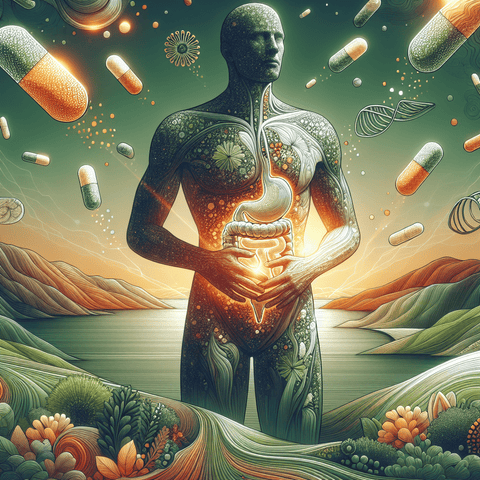
Nutrient absorption problems refer to the body's inability to adequately take in and utilize essential vitamins, minerals, and other nutrients from the food we consume. This disruption can have a significant impact on overall health, leading to a range of symptoms from persistent fatigue and weakened immunity to digestive distress. Understanding how nutrient absorption works, why it can fail, and what steps you can take to support it is key to maintaining good health. This guide provides a broad overview of the topic, covering the mechanics of absorption, common causes and symptoms, and practical strategies for improvement, including dietary changes and the potential role of supplements.
Understanding Nutrient Absorption: The Basics
Nutrient absorption is the process by which the body extracts vitamins, minerals, proteins, fats, and carbohydrates from digested food and transports them into the bloodstream. This complex journey begins in the mouth, where chewing and enzymes start breaking down food. It continues in the stomach, where acid and enzymes further process the mixture. The majority of nutrient absorption occurs in the small intestine, whose lining is covered with tiny, finger-like projections called villi that greatly increase the surface area for nutrient uptake. From there, nutrients pass into the bloodstream to be used by cells throughout the body.
Key Players in the Absorption Process
Several components must work correctly for efficient absorption. These include:
- Adequate stomach acid to break down food and release nutrients.
- Digestive enzymes from the pancreas to further break down proteins, fats, and carbohydrates.
- Bile from the liver to emulsify fats for absorption.
- A healthy intestinal lining with active transport mechanisms to move nutrients across.
- A balanced gut microbiome that supports digestion and nutrient synthesis.
Why Nutrient Absorption Can Fail
When any part of this complex system is compromised, nutrient absorption can become inefficient. The reasons are varied and can be broadly categorized into digestive conditions, dietary factors, and individual physiological differences.
Potential Causes of Malabsorption
- Damage to the intestinal lining, such as in celiac disease or Crohn's disease.
- Insufficient digestive enzymes, which may occur with pancreatic insufficiency.
- Imbalances in the gut microbiome, including small intestinal bacterial overgrowth (SIBO).
- Reduced stomach acid production, which is more common with age or due to certain medications.
- Surgical alterations to the digestive tract, such as gastric bypass surgery.
- Dietary factors, like consuming foods that contain anti-nutrients which can bind to minerals.
Recognizing Symptoms of Poor Nutrient Absorption
The signs of poor nutrient absorption can be wide-ranging and often develop gradually. They can affect multiple systems in the body, making them easy to overlook or attribute to other causes.
Common Symptoms Associated with Malabsorption
- Persistent fatigue and weakness, often linked to iron or vitamin B12 deficiencies.
- Digestive issues such as bloating, gas, steatorrhea (fatty stools), diarrhea, or constipation.
- Changes in hair, skin, and nails, including dryness, brittleness, or unusual pallor.
- Bone pain or an increased risk of fractures, which may indicate calcium or vitamin D malabsorption.
- A weakened immune system, manifesting as frequent or slow-healing infections.
- Unexplained weight loss, despite adequate food intake.
Why Symptoms Alone Can Be Misleading
It's crucial to recognize that symptoms of malabsorption can overlap with many other conditions. For example, fatigue could result from an iron deficiency, a B12 deficiency, or even an underactive thyroid. Similarly, digestive discomfort could be due to food intolerances, infections, or stress. Because the same symptom can have different root causes, relying on symptoms alone can lead to incorrect self-diagnosis. A proper medical evaluation, which may include blood tests, stool tests, or other diagnostic procedures, is essential to identify the underlying cause of nutrient absorption issues.
The Role of Nutritional Supplements
Nutritional supplements can play a supportive role in addressing nutrient deficiencies that arise from absorption problems. However, they should not be the first line of defense or a replacement for medical care. Supplements are most effective when used to address specific, confirmed deficiencies, and they should be part of a comprehensive plan that includes dietary improvements and lifestyle changes.
When Supplements Might Be Appropriate
There are certain scenarios where supplements may be warranted, including:
- A documented deficiency confirmed by a blood test.
- Conditions that are known to impair absorption, such as celiac disease or after certain surgeries.
- Increased nutrient needs due to life stages like pregnancy, or as a result of certain health conditions.
- Persistent dietary gaps that cannot be met through food alone.
Common Supplement Categories
Several types of supplements may be relevant when discussing nutrient absorption. These include:
- Digestive enzymes, which may help break down food for better nutrient release, especially if an enzyme deficiency is suspected.
- Probiotics and prebiotics, which support a healthy gut microbiome and can indirectly influence nutrient metabolism.
- Targeted vitamins and minerals, such as Vitamin D, iron, B12, or magnesium, as individual needs dictate.
For those looking to support their overall nutrient intake, a high-quality multivitamin may also be considered. You can explore various options online from reputable sources, such as a range of natural supplements from a trusted provider.
Practical Strategies Beyond Supplements
While supplements can help fill gaps, the foundation for good nutrient absorption is built on diet and lifestyle. Implementing supportive strategies can significantly enhance your body's ability to use the nutrients you consume.
Dietary Patterns to Support Absorption
- Eat a balanced diet rich in whole, unprocessed foods to provide a wide range of nutrients in their natural form.
- Include healthy fats like olive oil, avocados, and nuts, which are needed for the absorption of vitamins A, D, E, and K. A supplement like omega-3 supplements can be a convenient way to support fat intake.
- Consume a variety of protein sources, as amino acids are essential for repairing the intestinal lining.
- Prioritize fiber from fruits, vegetables, and whole grains to support a healthy gut environment.
Strategic Food Pairings and Meal Timing
How you combine foods can also influence absorption. For example, consuming vitamin C-rich foods alongside iron-rich plant foods can boost iron absorption. Conversely, the tannins in tea and coffee can inhibit iron absorption, so it's best to consume them between meals. Similarly, getting adequate calcium and magnesium from your diet is crucial, and some people find it helpful to take mineral supplements at different times of the day to avoid competition for absorption. You can learn more about specific nutrients like calcium for bone and muscle health to understand its benefits and sources.
Gut-Friendly and Lifestyle Considerations
Maintaining a healthy gut is fundamental to nutrient absorption. Staying well-hydrated supports the digestive process, while managing stress through practices like meditation or gentle exercise can positively affect gut function. Additionally, it's important to limit alcohol consumption and avoid smoking, as both can damage the intestinal lining and impair nutrient uptake. Reviewing all medications with your healthcare provider is also a good practice, as some prescriptions can interfere with nutrient absorption.
Important Considerations & Next Steps
Nutrient absorption is a complex process influenced by genetics, age, gut health, and overall health status. Because the reasons for malabsorption are so varied, it's essential to avoid self-diagnosis. If you suspect you have a problem, the first step is to consult with a healthcare provider. They can order the appropriate tests, help identify the root cause, and recommend a tailored plan. This may involve dietary changes, lifestyle modifications, and, if necessary, the use of high-quality nutritional supplements.
When considering supplements, focusing on quality is key. Look for products that are third-party tested and have transparent labels. If you decide to explore supplements, Topvitamine.com offers a variety of products from reputable brands. You can browse their selection of multivitamins as a general starting point, or search for specific nutrients you may be lacking.
Key Takeaways
- Nutrient absorption is a complex process that can be disrupted by various factors, including digestive conditions, medications, and poor gut health.
- Symptoms of poor absorption can be subtle and vary widely, affecting energy, digestion, skin, and immunity.
- Because symptoms can be misleading, a proper medical evaluation is crucial for identifying the root cause.
- Dietary strategies like eating a balanced diet, pairing nutrients effectively, and maintaining gut health are fundamental to improving absorption.
- Nutritional supplements can help fill specific gaps but should be used under professional guidance as part of a comprehensive plan.
- Lifestyle factors like limiting alcohol, avoiding smoking, and managing stress also play a significant role in supporting digestion and nutrient uptake.
Q&A Section
1. What are the primary causes of nutrient absorption problems?
Primary causes include gastrointestinal diseases like celiac disease or Crohn's disease, pancreatic insufficiency leading to enzyme deficiencies, imbalances in the gut microbiome like SIBO, and the use of certain medications that can affect stomach acid or gut lining.
2. How can I tell if I'm experiencing nutrient absorption problems?
Look for patterns of symptoms such as persistent fatigue, digestive discomfort like bloating or diarrhea, changes in your hair, skin, or nails, and increased frequency of infections. Because these symptoms can have other causes, it's important to discuss them with a healthcare provider.
3. Why do some people absorb nutrients better than others?
Absorption efficiency varies due to several factors, including genetics that can influence enzyme production and transport mechanisms, age-related changes in digestion, the overall health and composition of the gut microbiome, and the presence of any underlying gut conditions.
4. Are there specific tests for nutrient absorption issues?
Yes, healthcare providers can use various tests. Blood tests can measure nutrient levels, stool tests can assess fat absorption and inflammation, and breath tests can detect conditions like SIBO or lactose intolerance. In some cases, imaging or endoscopy may be used.
5. Can I self-diagnose nutrient absorption issues?
Self-diagnosis is risky. Many symptoms of malabsorption overlap with other common conditions, and attempting to treat yourself without knowing the underlying cause can be ineffective and potentially harmful. A proper diagnosis from a healthcare provider is essential.
6. What types of supplements can help with nutrient absorption?
Common supplements that might be considered include digestive enzymes to support breakdown, probiotics to help rebalance the gut microbiome, and targeted vitamins or minerals to correct specific deficiencies. The right choice depends on the individual's specific situation and test results.
7. Is it safe to take supplements without consulting a doctor?
While many supplements are generally safe for healthy people, it's crucial to consult a healthcare provider first, especially if you have an existing health condition or are taking other medications. This helps avoid potential interactions and ensures you're taking the right dose.
8. How can I optimize my diet for better nutrient absorption?
Focus on a varied diet centered around whole foods. Pair nutrients strategically, such as vitamin C with iron. Include sufficient healthy fats for fat-soluble vitamins. Pay attention to gut health by consuming fiber, staying hydrated, and perhaps including fermented foods.
9. Can lifestyle changes impact my nutrient absorption?
Yes, significantly. Limiting alcohol, avoiding smoking, staying hydrated, and managing chronic stress can all positively impact the health of your digestive system and its ability to absorb nutrients.
10. How long does it take to see improvement after starting supplements?
The timeline varies widely. It depends on the severity of the deficiency, the nutrient being supplemented, the underlying cause of the problem, and the individual's overall health. Some may see improvements in weeks, while for others it could take several months. Regular monitoring with a provider is key.
11. Should I take supplements before or after meals?
This depends on the specific supplement and the manufacturer's instructions. Some are best absorbed with food to minimize stomach upset or enhance uptake, while others should be taken on an empty stomach. Always follow the label and your healthcare provider's advice.
12. How can I find quality supplements?
Look for products from reputable brands that voluntarily undergo third-party testing. Check the supplement facts label for transparent and accurate ingredient lists. Be wary of products making exaggerated health claims.