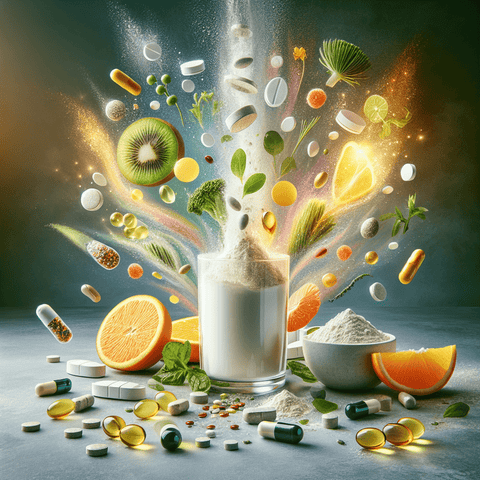
Nutrient absorption rates determine how quickly and efficiently your body processes vitamins and minerals after consumption. These rates vary significantly based on a multitude of factors, including the type of nutrient, how it is consumed, and an individual's unique biological makeup. Understanding these rates is crucial for optimizing nutritional intake and enhancing overall health. In this guide, you'll learn how absorption rates differ for various nutrients, the key factors that influence them, and how nutritional supplements can be utilized effectively within a balanced diet.
What Are Nutrient Absorption Rates?
Nutrient absorption rates refer to the speed and efficiency with which nutrients move from the digestive system into the bloodstream. This process is not a single event but a journey through multiple stages in the digestive tract, where enzymes, acids, and specialized transport systems all play a role. Understanding these rates helps individuals tailor their diets to ensure optimal nutrient intake.
Absorption Rate vs. Bioavailability
While absorption rate focuses on the speed of nutrient uptake, bioavailability is a broader concept referring to the proportion of a nutrient that becomes available for use or storage in the body after digestion. For example, a nutrient might be absorbed quickly but have low bioavailability if it is rapidly excreted. Digestion timelines also vary significantly; for instance, fats take longer to digest than carbohydrates. Knowing these distinctions helps clarify why some nutrients may provide quicker benefits than others.
The Journey of Absorption: From Ingestion to Circulation
The process of nutrient absorption begins with ingestion, where food is chewed and mixed with saliva, and ends with nutrients circulating in your bloodstream. Each stage of this journey plays a critical role in determining how well your body uses what you consume.
Key Stages That Influence Absorption
- Chewing: The physical breakdown of food increases the surface area for digestive enzymes to act upon.
- Stomach acidity: An acidic environment helps denature proteins and release vitamins and minerals from food.
- Pancreatic enzymes: These further digest macronutrients and facilitate nutrient release for absorption.
- Bile: Produced by the liver, bile emulsifies fats, making fat-soluble vitamins easier to absorb.
- Intestinal transporters: Specialized transport systems in the intestines selectively absorb nutrients based on their structure.
- First-pass metabolism: The liver processes many nutrients before they enter systemic circulation, impacting their overall availability.
Absorption by Nutrient Type
Vitamins and minerals are broadly categorized by how they are absorbed. This fundamental difference helps explain why certain nutrients need to be taken with food and why others are better absorbed on an empty stomach.
Fat-Soluble Vitamins (A, D, E, K)
Fat-soluble vitamins are absorbed alongside dietary fats. This means they are generally absorbed more slowly and their uptake is significantly enhanced when consumed with a meal containing healthy fats. These vitamins can also be stored in the body's fatty tissues, so they do not need to be consumed as frequently as water-soluble vitamins.
Water-Soluble Vitamins (C and B-Complex)
Water-soluble vitamins, including the B-complex group and vitamin C, are generally absorbed faster than fat-soluble ones. Their absorption can still be variable, influenced by meal timing and the presence of other nutrients. Because the body does not store these vitamins in large amounts, regular intake is essential.
Minerals (Calcium, Iron, Magnesium, Zinc)
Mineral absorption is complex and often involves competition and cooperation between nutrients. For example, vitamin C can significantly enhance the absorption of iron, while calcium can inhibit it when taken together. The form of the mineral (e.g., chelated vs. oxide) can also play a significant role in its absorbability.
Why Absorption Rates Matter for Your Health
Understanding absorption is not just an academic exercise; it has a direct impact on your daily well-being and long-term health. If your body cannot efficiently absorb the nutrients from your diet, you may experience symptoms of deficiency even if your intake is adequate.
Signs That May Indicate Suboptimal Absorption
- Fatigue, low energy, and reduced exercise tolerance: These may be signs related to insufficient nutrient availability, such as low iron or B12.
- Digestive discomfort: Bloating, gas, or irregular stools can indicate that your gut is not processing food optimally.
- Changes in skin, hair, or nails: These can often reflect long-term nutritional status and absorption efficiency.
It is important to note that these symptoms can have many causes. They should not be used for self-diagnosis. If you are concerned, consult a healthcare professional for proper testing and evaluation.
The Role of Gut Health and the Microbiome
Your gut is the primary gateway for nutrient absorption. A healthy gut lining and a balanced microbiome—the community of bacteria and other microorganisms in your digestive tract—are essential for efficient nutrient uptake. A healthy gut lining and a balanced microbiome are critical for efficient nutrient uptake. Factors like a diet rich in fiber, fermented foods, and adequate hydration can help support a healthy gut environment. If you are interested in this area, you can explore our probiotics and prebiotics supplements for more information.
Key Factors Affecting Your Personal Absorption Rates
Nutrient absorption is a highly personal process. Many factors can influence how your body handles the same meal or supplement that works well for someone else.
Individual Variability
- Age-related changes: As we age, stomach acid production and digestive efficiency can decline, impacting absorption.
- Genetics: Genetic factors can influence the efficiency of nutrient transporters in the gut.
- Medical conditions: Conditions like celiac disease, inflammatory bowel disease (IBD), and pancreatic insufficiency can significantly affect absorption.
- Medications: Certain medications can alter gut pH, motility, or nutrient interactions, impacting absorption.
Meal Composition and Timing
What you eat alongside a nutrient can make a significant difference. The fat content of a meal can boost the absorption of fat-soluble vitamins, while high-fiber foods can sometimes bind to minerals and reduce their uptake. Similarly, the timing of when you take a supplement—with or without food, morning or night—can influence how well it is absorbed.
Practical Ways to Improve Nutrient Absorption
While you cannot control all factors, there are several evidence-informed strategies you can incorporate into your daily routine to support your body's ability to absorb nutrients.
General Dietary Strategies
- Pair nutrients wisely: Combine iron-rich foods with vitamin C (e.g., add lemon to a spinach salad) to enhance iron absorption.
- Include healthy fats: Consume fat-soluble vitamins (A, D, E, K) with meals that contain sources of healthy fats like avocado, nuts, or olive oil.
- Consider food preparation: Cooking methods like soaking, fermenting, and sprouting can reduce anti-nutrients that block absorption.
Supplement Forms and Timing
When diet alone is not enough, supplements can help fill the gaps. How you take them can be just as important as which one you choose.
- Look for bioavailable forms: For example, magnesium glycinate or citrate are often better absorbed than magnesium oxide.
- Pair minerals and vitamins: Consider combining vitamin D3 with vitamin K2 for optimal calcium utilization, or iron with vitamin C as mentioned above.
- Take fat-soluble vitamins with food: To maximize absorption, take vitamins A, D, E, and K with a meal that includes a source of dietary fat.
For more specific guidance on vitamins, you can explore our comprehensive multivitamins guide. Our magnesium collection also provides options that may be easier for the body to process.
A Framework for Making Informed Supplement Choices
Supplements are powerful tools, but they should be used thoughtfully. The following framework can help you decide if and when they may be beneficial.
Step-by-Step Decision Guide
- Assess your diet and risk factors: Consider if you have dietary restrictions (e.g., vegan, gluten-free) or conditions that could affect absorption.
- Get baseline testing when appropriate: Blood tests can help identify specific deficiencies and avoid unnecessary supplementation.
- Prioritize dietary optimization first: Try to meet your needs through food choices and meal timing before adding supplements.
- If supplementing, choose targeted, quality products: Look for well-formulated options with transparent labeling and third-party testing.
- Monitor your progress: Track symptoms and re-test with a professional to evaluate the effectiveness of your approach.
When to Consult a Professional
If you have persistent digestive issues, unexplained fatigue, or other health concerns, it is advisable to consult with a healthcare professional. They can conduct appropriate assessments and provide personalized advice, especially if you have complex medical conditions, are pregnant, or are taking medication.
Safety and Supplement Interactions
While supplements can offer significant benefits, they are not without risks, and they do not work in isolation. A thoughtful approach involves understanding potential interactions and respecting dosage limits.
Key Safety Considerations
- Be mindful of upper limits: Fat-soluble vitamins like A and D are stored in the body and can build up to toxic levels if taken in excess.
- Watch for nutrient interactions: Some nutrients compete for absorption (e.g., calcium and iron). It can be helpful to take these at different times of day.
- Check for medication interactions: Certain supplements can interact with prescription medications. It is essential to inform your healthcare provider about all supplements you are taking.
Conclusion: Building a Foundation for Better Health
Understanding nutrient absorption rates is a key step toward optimizing your health. It moves the conversation beyond just what you eat to how your body actually uses food. By focusing on a balanced diet, supporting gut health, and making informed decisions about supplements, you can improve the efficiency of your nutrient uptake.
At Topvitamine.com, we are committed to helping you make informed health choices. We offer a wide range of educational resources and quality-assured supplements to support your wellness journey. We encourage you to explore our other articles for more specific topics related to nutrient absorption and supplementation.
Frequently Asked Questions
What blocks nutrient absorption?
Several factors can interfere with absorption, including certain medical conditions (like celiac disease), some medications (like proton pump inhibitors), and dietary compounds known as anti-nutrients (such as phytates in grains and oxalates in spinach). Heavy alcohol consumption and chronic stress can also impair digestive function.
What is the hardest vitamin to absorb?
Vitamin B12 is often cited as one of the most difficult vitamins to absorb because its absorption is a complex process that requires adequate stomach acid and a specific protein made in the stomach. This is why many people, especially older adults and those on certain medications, may have low B12 levels despite an adequate dietary intake.
How do you fix poor nutrient absorption?
Addressing poor absorption starts with identifying the root cause. Eating a varied and balanced diet is fundamental. This can be supported by addressing digestive health, chewing food thoroughly, and cooking foods to enhance nutrient availability. If you suspect a medical issue, it is important to work with a healthcare provider to identify and treat the underlying condition.
How can I tell if my body is absorbing nutrients?
Paying attention to your body is a good start. Consistent energy levels, healthy skin and hair, and regular digestion are often indicators of good nutrient absorption. However, poor absorption can sometimes be silent. The most reliable way to know is through laboratory testing, which can measure nutrient levels in your blood and identify potential deficiencies.
This overview is provided for general educational purposes only and is not intended as a substitute for professional medical advice. If you have specific questions about nutrient absorption or your health, we encourage you to discuss them with a qualified healthcare provider.