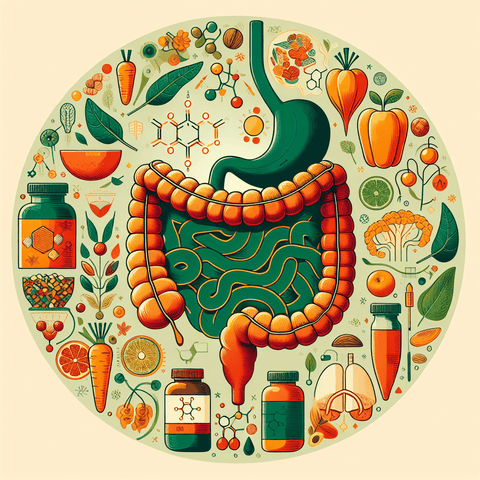
Nutrient competition is a core ecological principle that describes how organisms vie for limited resources essential for growth and survival. While the concept applies broadly—from plants competing for soil nutrients to microbes competing in the gut—it has become a central focus in microbiome science. This page offers a broad, evidence-based overview of nutrient competition, with an emphasis on microbial ecology and the gut microbiome. You will learn what nutrient competition is, why it matters, the main mechanisms involved, and how it relates to host health and pathogen protection. This tag page acts as a topical hub; more specific questions and deep dives are covered in the individual articles associated with this tag.
What Is Nutrient Competition?
Nutrient competition occurs when two or more organisms require the same limited nutrient, and one organism's uptake reduces the availability for others. In microbial communities, competition can be direct—such as one species producing antimicrobial compounds—or indirect, through rapid consumption of shared resources. The outcome depends on factors like nutrient availability, the metabolic capabilities of each species, and environmental conditions. In the gut, nutrient competition is one of the key forces shaping the composition and function of the microbiome.
Why Nutrient Competition Matters in the Gut Microbiome
The gut is a dense and diverse ecosystem where trillions of microorganisms compete for dietary and host-derived nutrients. This competition influences which bacteria dominate, how resilient the community is to disturbance, and how the host is protected against pathogens. When beneficial microbes outcompete harmful ones for nutrients, they can help prevent infection—a phenomenon known as colonisation resistance. Conversely, disruptions such as antibiotics or dietary changes can alter nutrient availability and lead to microbiome imbalance. Understanding nutrient competition therefore has implications for digestive health, immunity, and the use of probiotics or prebiotics.
Key Mechanisms of Microbial Nutrient Competition
Microorganisms have evolved diverse strategies to secure nutrients. Some mechanisms are highly specific, while others are more general. Below are some of the most studied mechanisms.
- Siderophore production: Many bacteria and fungi secrete siderophores, molecules that bind iron with high affinity. By capturing iron, they deprive competitors—including pathogens—of this essential nutrient.
- Carbon source competition: Different microbes prefer different sugars and fibers. Efficient consumption of a specific carbon source can give one species a competitive edge.
- Bacteriocin production: Some bacteria produce antimicrobial peptides called bacteriocins that inhibit closely related strains, reducing competition for shared nutrients.
- Nutrient storage: Certain microbes can store excess nutrients internally, allowing them to survive periods of scarcity better than competitors.
These mechanisms do not act in isolation. In the gut, a combination of factors determines the outcome of competition, including host diet, mucus composition, and the presence of other microbial metabolites.
Nutrient Competition and Pathogen Protection
One of the most important consequences of nutrient competition in the gut is protection against pathogens. Beneficial microbes can consume nutrients that pathogens need, effectively starving them out. For example, certain commensal bacteria compete with Salmonella and Clostridium difficile for specific sugars and amino acids. This competitive exclusion is a key component of colonisation resistance. It also helps explain why a diverse and balanced microbiome is associated with better resilience against infections. However, nutrient competition is not absolute; pathogens can sometimes exploit unique nutrients or evade competition through other virulence factors.
Predicting Microbiome Restructuring
Recent research has begun to develop frameworks for predicting how microbial communities will restructure when nutrient availability changes—for instance, during drug treatment or dietary shifts. Studies such as Shi et al. (2025) highlight the role of nutrient competition in these predictions. By modeling the nutrient preferences and metabolic outputs of different species, scientists aim to forecast which microbes will thrive or decline under specific conditions. While still an emerging field, this work has potential applications for personalized nutrition, probiotic design, and understanding antibiotic side effects.
Broader Context: From Soil to Supplements
Nutrient competition is not limited to the gut. In soil, plants and microbes compete for nitrogen, phosphorus, and micronutrients, influencing plant health and ecosystem productivity. The principles are similar: limited resources, diverse strategies, and dynamic outcomes. For readers interested in nutrition and supplements, understanding nutrient competition can provide context for how dietary components—such as fiber, probiotics, and prebiotics—may influence the gut environment. If you are exploring supplements that support gut health, you may find our probiotics and prebiotics supplements category useful. For a broader overview of mineral supplements that play roles in microbial and host nutrition, see our mineral supplements guide. These categories provide context but are not intended as medical advice.
Frequently Asked Questions
How does nutrient competition affect the gut microbiome?
Nutrient competition shapes which microbes can survive and thrive in the gut. When beneficial bacteria consume limited nutrients more efficiently, they can exclude pathogens and maintain community stability. Disruptions in nutrient availability—such as from antibiotics or diet changes—can alter these competitive dynamics and lead to imbalance.
Can nutrient competition protect against pathogens?
Yes, in many cases. By consuming nutrients that pathogens need, commensal microbes can limit pathogen growth. This is one mechanism of colonisation resistance. However, protection is not absolute and depends on the specific pathogens and the overall microbial community.
What are siderophores and how do they relate to nutrient competition?
Siderophores are molecules produced by microbes to scavenge iron, which is often scarce in the gut. By binding iron tightly, they prevent competitors—including pathogens—from accessing it. This is a well-studied example of nutrient competition.
Exploring Further
This tag page provides a high-level map of nutrient competition, with a focus on microbial ecology and the gut microbiome. For deeper explorations, please see the individual articles associated with this tag, which cover specific mechanisms, research studies, and practical considerations in more detail.