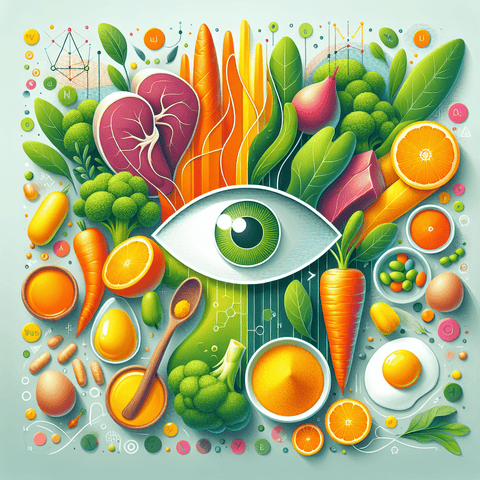
Nutrient-dense vegetables are vegetables that deliver a high amount of vitamins, minerals, fiber, and beneficial plant compounds relative to their calorie content. In this article, you'll learn what nutrient density actually means, which vegetables offer the most nutritional value, how preparation and cooking affect nutrient retention, and when a food-first approach may benefit from supplementation. Eating more nutrient-dense vegetables is one of the most consistently supported dietary strategies for overall health, yet most people fall short of recommended intake — making practical, realistic guidance especially valuable.
What Are Nutrient-Dense Vegetables?
Nutrient density describes how much meaningful nutrition a food provides per calorie or per serving. Vegetables are generally among the most nutrient-dense foods available, but they vary considerably: leafy greens, cruciferous vegetables, and deeply colored varieties typically offer more vitamins, minerals, and phytonutrients per calorie than starchy or pale vegetables.
Understanding Nutrient Density vs. Calorie Density
Calorie density refers to the amount of energy a food contains per gram, while nutrient density refers to the concentration of beneficial nutrients relative to that energy. Spinach, for example, is low in calories but rich in folate, vitamin K, vitamin A (from carotenoids), magnesium, and potassium — making it highly nutrient-dense. A food can be calorie-dense without being nutrient-dense, such as refined snack foods, and some vegetables are moderately calorie-dense (like potatoes) while still contributing useful nutrients such as potassium and vitamin C.
Neither measure is inherently "good" or "bad" on its own. Active people with higher energy needs may benefit from some calorie-dense foods, while anyone aiming to increase nutrient intake without excess calories will find that nutrient-dense vegetables do this job efficiently.
Why Nutrient Density Matters for Overall Health
Dietary patterns rich in vegetables have consistently been associated in observational research with better cardiovascular, metabolic, and digestive health outcomes. These are associations, not proof of causation, but the direction of evidence is consistent across large populations. Vegetables contribute key nutrients that many diets lack, including potassium, folate, vitamin C, vitamin K, magnesium, and dietary fiber, along with a wide range of plant compounds.
Nutrient density also matters on a practical level: when meals are built around nutrient-dense vegetables, they leave less room for low-nutrient foods and help meet micronutrient needs within a realistic daily calorie budget.
The Health and Nutritional Value of Nutrient-Dense Vegetables
Vitamins, Minerals, and Antioxidants Across the Vegetable Spectrum
Different vegetable families excel at different nutrients:
- Leafy greens (spinach, kale, Swiss chard, arugula): high in vitamin K, folate, carotenoids, magnesium, and nitrates.
- Cruciferous vegetables (broccoli, Brussels sprouts, cabbage, cauliflower): sources of vitamin C, vitamin K, folate, and glucosinolates — sulfur-containing compounds studied for their biological activity.
- Orange and red vegetables (carrots, sweet potatoes, red peppers, tomatoes): rich in beta-carotene (a vitamin A precursor), vitamin C, and carotenoids such as lycopene.
- Alliums (onions, garlic, leeks): provide sulfur compounds and contribute flavor, encouraging vegetable consumption overall.
- Legumes and starchy vegetables (peas, potatoes, corn): contribute potassium, fiber, folate, and vitamin C in varying amounts.
Eating across this spectrum — sometimes described as "eating the rainbow" — is a practical way to cover a wider range of nutrients than relying on one or two favorite vegetables. If you want to explore individual vitamins found in vegetables in more depth, resources on vitamin C, immunity, and antioxidant function or vitamin K's role in bone and blood health offer useful background.
The Role of Fiber, Phytonutrients, and Their Health Associations
Beyond vitamins and minerals, vegetables supply dietary fiber and phytonutrients — naturally occurring plant compounds such as polyphenols, carotenoids, and organosulfur compounds. Fiber supports digestive regularity, contributes to satiety, and has well-established associations with healthier cholesterol levels and blood sugar management. Phytonutrients are studied for antioxidant and anti-inflammatory activity, although evidence for isolated compounds as supplements is generally weaker and less consistent than evidence for whole-food dietary patterns.
This distinction matters: much of the observed health benefit linked to vegetables appears to come from the combination of nutrients, fiber, and plant compounds working together, not from any single isolated component.
How Your Dietary Patterns Influence Nutrient Intake
Daily Consumption Guidelines and Portion Considerations
Most public health guidelines recommend roughly 400 grams of fruit and vegetables per day — commonly expressed as "five a day" — with a substantial share coming from vegetables. Many national dietary guidelines suggest around two to three cups of vegetables daily for adults, though exact recommendations vary by country, age, sex, and activity level.
Portion considerations are simple in practice: one cup of raw leafy greens or half a cup of cooked vegetables counts as one serving. Because leafy greens shrink dramatically when cooked, a large pile of raw spinach may equal a much smaller cooked portion nutritionally.
Common Barriers to Eating More Vegetables
Most shortfalls in vegetable intake come down to practical barriers rather than lack of motivation:
- Limited time for shopping and preparation
- Cost concerns, particularly for fresh produce
- Flavor preferences, especially among children and habitual low-vegetable eaters
- Perceived spoilage and waste
- Limited cooking confidence or variety
Frozen vegetables address several of these barriers directly: they are pre-processed, budget-friendly, keep for months, and are often nutritionally comparable to fresh produce because they are frozen shortly after harvest.
Factors That Affect Nutrient Availability and Absorption
Individual Variability: Age, Digestive Health, and Metabolism
Nutrient requirements and absorption efficiency vary between individuals. Older adults may absorb certain nutrients less efficiently, and conditions affecting the stomach, small intestine, pancreas, or gallbladder can reduce the digestion and uptake of fat-soluble vitamins and minerals. Medications such as proton pump inhibitors, metformin, and bile acid sequestrants can also influence nutrient absorption. Pregnancy and breastfeeding increase requirements for folate and several other nutrients.
Because of this variability, two people eating similar diets can have different nutritional status — which is one reason blood testing and professional assessment can be more informative than estimating from intake alone.
How Preparation Methods Alter Nutrient Content
Vegetables begin losing some water-soluble nutrients — particularly vitamin C and folate — from the moment they are harvested. Storage time, exposure to light and air, and cutting all contribute to gradual nutrient decline. Water-soluble vitamins leach into cooking water, while fat-soluble vitamins (A, D, E, K) and carotenoids are relatively heat-stable but benefit from being eaten with fat for absorption.
Maximizing Nutrient Retention Through Cooking and Preparation
The Case for Raw vs. Cooked Vegetables
Raw and cooked vegetables each have advantages, so this is not an either-or question. Cooking softens plant cell walls, which can actually increase the availability of some nutrients — notably carotenoids in carrots and tomatoes, where heat appears to improve carotenoid accessibility. Conversely, raw vegetables retain more heat-sensitive vitamin C and certain enzymes, and some raw vegetables (like cruciferous varieties) retain more glucosinolate-related compounds.
A mixed approach — some raw, some cooked — offers the broadest nutritional coverage.
Cooking Techniques That Preserve Nutrients vs. Those That Don’t
In general, the shorter the cooking time and the less contact with water, the better nutrients are preserved:
- Steaming is among the best methods, minimizing both heat exposure and nutrient leaching.
- Stir-frying and sautéing preserve most nutrients when done briefly at moderate temperature.
- Roasting concentrates flavor and preserves most nutrients, though prolonged high heat can degrade some vitamin C.
- Boiling causes the greatest losses of water-soluble vitamins, unless the cooking liquid is consumed (as in soups and stews).
- Microwaving with minimal water is a surprisingly effective, quick option for retention.
Enhancing Absorption of Fat-Soluble Nutrients
Vitamins A (as carotenoids), D, E, and K are fat-soluble, meaning they are absorbed better when consumed with dietary fat. Adding olive oil to a salad or cooking vegetables with a small amount of fat meaningfully improves the uptake of carotenoids compared with eating them plain. This is one of the simplest and most evidence-supported ways to get more nutrition from the same vegetables.
Food-First Strategies for a More Nutrient-Dense Diet
Building a Balanced Plate with Nutrient-Dense Vegetables
A practical framework: fill roughly half your plate with vegetables at main meals, aiming for variety in color and type across the week. Batch-prepping vegetables, keeping frozen options on hand, and adding vegetables to dishes you already make (soups, pasta sauces, omelets, stir-fries) all raise intake without requiring new habits.
Pairing Vegetables with Other Foods to Improve Bioavailability
How you combine foods matters for nutrient uptake:
- Carotenoids + fat: pairing carrots, sweet potatoes, or leafy greens with olive oil, avocado, or nuts improves carotenoid absorption.
- Iron + vitamin C: the non-heme iron in spinach and legumes is better absorbed alongside vitamin C–rich foods like peppers, citrus, or tomatoes.
- Limiting inhibitors when relevant: compounds like phytates (in legumes and grains) can modestly reduce mineral absorption; soaking, sprouting, and fermenting reduce phytate content.
For readers interested in how the body handles plant-derived bioactive compounds, our guide on antioxidants and free-radical protection provides useful context.
When Dietary Intake May Fall Short
Signs of Inadequate Vegetable Consumption
Low vegetable intake usually shows up as patterns rather than symptoms: limited dietary variety, reliance on processed foods, and low fiber intake. While persistent fatigue, poor wound healing, or frequent illness can sometimes reflect nutrient insufficiency, these symptoms are non-specific and can have many causes. They are not reliable indicators on their own, and self-diagnosing a deficiency from symptoms alone is not advisable — laboratory testing and clinical evaluation are more reliable.
Situations Where Supplementation Is Considered for Specific Nutrients
Supplementation becomes genuinely relevant in defined situations rather than as a default: documented low intake of a specific nutrient, restricted diets (such as vegan diets without fortified foods), increased requirements during pregnancy, reduced absorption due to medical conditions or medications, or limited sun exposure affecting vitamin D status. In these cases, the supplement targets a specific, identified gap — not a general substitute for vegetables.
Relevant Supplements for Nutrient Gaps
Which Nutrients Are Commonly Supplemented When Diets Fall Short
In many populations, the nutrients most commonly falling below recommended intakes include vitamin D, folate (especially in pregnancy), potassium, magnesium, calcium, and iron (particularly among menstruating women). Broadly, multivitamins can provide a low-dose nutritional baseline for people with consistently limited diets, while mineral supplements and individual vitamins address specific documented shortfalls.
What Supplements Can and Cannot Replace in the Diet
Supplements can help correct specific nutrient shortfalls, but they cannot replicate the full package of a vegetable-rich diet. They typically do not provide the fiber, the diverse phytonutrient combinations, or the satiety and food-pattern benefits that whole vegetables offer. Evidence consistently supports whole dietary patterns over isolated compounds for long-term health outcomes — so supplements are best positioned as targeted support, not a foundation.
How to Choose a Vegetable-Derived Supplement
Whole-Food Powders vs. Isolated Vitamins and Minerals
Green powders, fruit-and-vegetable capsules, and "superfood" blends market themselves as vegetable replacements. These products may contribute some nutrients and plant compounds, but they are generally not equivalent to eating vegetables: doses of individual nutrients are often small, and fiber is usually absent or minimal. Isolated vitamins and minerals, by contrast, provide known, labeled doses of specific nutrients — useful when a specific gap has been identified. Superfood supplements may have a place as a complement, but claims that they replace servings of vegetables are not supported by evidence.
Ingredient Forms and Bioavailability Considerations
Chemical form matters for absorption. For example, magnesium is available as oxide, citrate, and glycinate, with citrate and glycinate generally better absorbed than oxide; folate appears as folic acid or as active forms such as 5-MTHF; vitamin D comes as D2 or D3, with D3 generally considered somewhat more effective at raising blood levels. Comparing forms — not just doses — is one of the most meaningful ways to evaluate quality when choosing a supplement.
Third-Party Testing, Purity, and Label Transparency
Because supplements are less strictly regulated than medicines, quality varies between manufacturers. Look for:
- Third-party testing or certification from recognized programs
- Full disclosure of ingredient forms and amounts on the label
- Clear identification of allergens and added ingredients
- GMP (good manufacturing practice) production standards
Interpreting Supplement Labels for Quality and Dosage
Key Label Terms and Comparative Measures
Supplement labels typically list the amount per serving, the chemical form of each nutrient, and the percentage of reference intake values (such as the NRV in the EU). Servings may require multiple capsules, so calculate the total dose per serving rather than per capsule when comparing products. Watch for proprietary blends, which list ingredients without individual amounts and make comparison impossible.
Recognizing Excess and Added Ingredients
More is not better with micronutrients. Some multivitamins and blends contain doses far exceeding recommended intakes, which offers no established benefit and may add risk with prolonged use — particularly for nutrients with lower safety margins such as vitamin A, iron, and selenium. Also note added sugars, fillers, artificial colorings, and flavorings, which are common in gummy and drink-powder formats.
Who May Benefit from Nutritional Supplementation?
Populations with Higher Nutrient Needs or Limited Intake
Groups where supplementation is more often considered include:
- Pregnant women: folic acid supplementation is widely recommended before and during early pregnancy; requirements for several nutrients increase.
- Older adults: vitamin D and B12 status deserve attention, as absorption and skin synthesis decline with age.
- People on restrictive diets: vegans and vegetarians may need attention to B12, iron, zinc, and omega-3 intake.
- People with malabsorption conditions: celiac disease, inflammatory bowel disease, and bariatric surgery history can affect multiple nutrients.
- People with limited sun exposure: vitamin D status may be low, particularly in winter months and at northern latitudes — see our overview of vitamin D benefits, sources, and safety.
When Testing or Professional Guidance Is Appropriate
For nutrients where validated blood tests exist — such as vitamin D, B12, folate, ferritin (iron stores), and some others — testing provides far more reliable information than guessing from symptoms or diet estimates. A doctor or registered dietitian can interpret results in context, recommend appropriate doses, and determine whether supplementation is necessary at all. This is especially important before taking high-dose or long-term supplements.
Safety and Interactions of Supplementing Vegetable Nutrients
Upper Intake Limits and Potential Side Effects
Water-soluble vitamins are generally excreted when consumed in excess, though very high doses (such as high-dose vitamin C) can cause digestive upset. Fat-soluble vitamins accumulate in the body, and chronic high-dose use of vitamins A, D, E, and K carries real risks. Minerals including iron and selenium have relatively narrow safety margins — established upper intake levels should not be exceeded without professional guidance. Beta-carotene supplements in high doses have been associated with increased lung cancer risk in smokers in large trials, illustrating that "more" is not always safer.
Interactions with Medications and Health Status
Notable interactions include vitamin K affecting blood thinners such as warfarin (consistency of intake matters), vitamin E potentially increasing bleeding risk with anticoagulants, iron competing with certain medications and other minerals for absorption, and high-dose potassium being hazardous for people with kidney disease. Always disclose supplement use to your healthcare provider, especially if you take prescription medication, are pregnant or breastfeeding, or have kidney, liver, or other chronic conditions.
Making an Informed Decision: Food, Supplements, or Both?
Evaluating Your Personal Dietary Baseline
Before considering supplements, take an honest look at your actual intake: how many servings of vegetables do you eat daily, how varied are they, and how consistent is your pattern over weeks rather than single days? A short food diary or a nutrition app can reveal gaps you may not suspect — for most people, the vegetables gap is the clearest starting point.
When to Prioritize Food-Based Changes
For the majority of people with no specific medical indication, improving vegetable intake delivers more value than any supplement: more fiber, more phytonutrient diversity, better satiety, and displacement of less nutritious foods. Simple, sustainable changes — adding one vegetable serving per meal, using frozen produce, cooking with a little olive oil — usually beat complicated supplement regimens.
Questions to Ask Before Choosing a Supplement
- Is there a specific, identified nutrient gap, ideally confirmed by testing?
- Can dietary changes or fortified foods address it instead?
- What chemical form of the nutrient does the product use?
- Is the dose within safe, evidence-based ranges?
- Is the product third-party tested and transparently labeled?
- Do I take medications or have conditions that could interact?
Final Takeaway: Building a Sustainable, Nutrient-Dense Approach
Nutrient-dense vegetables — leafy greens, cruciferous varieties, and colorful options in variety — remain the most reliable way to meet your daily vitamin, mineral, and fiber needs. Preparation and pairing matter: cook briefly or eat some raw, and combine fat-soluble nutrients with a source of dietary fat to improve absorption. Supplementation has a legitimate, targeted role for documented gaps, increased needs, or reduced absorption, and is best guided by testing and professional advice rather than guesswork. A sustainable approach combines a vegetable-forward diet as the foundation with supplements only where they fill a specific, evidence-based need.
Key Takeaways
- Nutrient density measures nutrition relative to calories; vegetables — especially leafy greens and cruciferous types — are among the most nutrient-dense foods.
- Eating a variety of colors and vegetable families covers a broader range of vitamins, minerals, and phytonutrients than relying on a few favorites.
- Most health guidelines suggest around 400 g of fruit and vegetables daily; frozen vegetables are a practical, nutritionally comparable option.
- Steaming, stir-frying, and microwaving preserve more nutrients than prolonged boiling; soups retain nutrients that leach into cooking water.
- Eating fat-soluble nutrients (carotenoids, vitamins A, E, K) with dietary fat meaningfully improves absorption.
- Pairing plant-based iron with vitamin C–rich foods enhances iron uptake; soaking and sprouting reduce absorption-inhibiting phytates.
- Supplements can fill specific, identified gaps but cannot replace the fiber, phytonutrient diversity, and food-pattern benefits of vegetables.
- Check supplement labels for chemical form, total dose per serving, third-party testing, and unnecessary added ingredients.
- Blood testing and professional guidance are more reliable than symptoms for assessing nutrient status before starting supplementation.
Frequently Asked Questions
What are nutrient-dense vegetables?
Nutrient-dense vegetables are those that provide high amounts of vitamins, minerals, fiber, and plant compounds relative to their calorie content. Examples include spinach, kale, broccoli, Brussels sprouts, peppers, and carrots.
Which vegetables are the most nutrient-dense?
Leafy greens such as spinach, kale, and Swiss chard rank among the highest for vitamins and minerals per calorie, followed by cruciferous vegetables like broccoli and Brussels sprouts. Deeply colored vegetables (peppers, carrots, sweet potatoes) are strong sources of carotenoids and vitamin C.
Are frozen vegetables as nutritious as fresh?
Often yes. Frozen vegetables are typically frozen shortly after harvest, which preserves nutrients well. Fresh vegetables stored for a week or more can lose a portion of their water-soluble vitamins, so frozen is frequently comparable or even preferable for busy households.
Is it better to eat vegetables raw or cooked?
Both have benefits. Raw vegetables retain heat-sensitive vitamin C, while cooking increases the availability of carotenoids in foods like carrots and tomatoes and softens fiber for easier digestion. A mix of raw and cooked vegetables provides the broadest nutritional coverage.
Does boiling vegetables destroy nutrients?
Boiling causes the largest losses of water-soluble vitamins such as vitamin C and folate, which leach into the water. Steaming, stir-frying, or microwaving preserve more nutrients, and eating the cooking liquid (as in soups) retains what would otherwise be lost.
Do I need to add oil to vegetables for nutrient absorption?
For fat-soluble nutrients like carotenoids and vitamins A, E, and K, eating vegetables with some dietary fat — olive oil, avocado, nuts — improves absorption. This is one of the simplest evidence-supported ways to get more from the same serving.
How many servings of vegetables should I eat per day?
Most guidelines recommend roughly two to three cups of vegetables daily for adults, or about 400 grams of combined fruit and vegetables per day. Exact needs vary by age, sex, and activity level.
Can green powders replace eating vegetables?
No. Green powders may contribute some nutrients, but they generally contain small doses of individual vitamins, little or no fiber, and a limited phytonutrient profile compared with whole vegetables. They are best viewed as a complement at most, not a replacement.
Which nutrients are people most commonly deficient in when they eat few vegetables?
Low vegetable intake is most often associated with inadequate fiber, folate, potassium, magnesium, and vitamin C. Vitamin D and B12 shortfalls are also common in some populations for reasons unrelated to vegetables, such as limited sun exposure or restrictive diets.
Can you take too much of vitamin supplements found in vegetables?
Yes. Fat-soluble vitamins (A, D, E, K) and minerals like iron and selenium can accumulate or cause adverse effects at chronic high doses. Staying within established upper intake levels and seeking professional guidance for high-dose or long-term use is important.
Do vegetables interact with medications?
Dietary vegetables generally do not, but consistency matters: leafy greens high in vitamin K can affect warfarin dosing, which is why stable intake is advised for people on blood thinners. Supplements of these nutrients carry stronger interaction potential, so discuss them with your healthcare provider.
How do I know if I'm getting enough nutrients from my diet?
Symptoms alone are unreliable indicators, since fatigue and similar complaints have many possible causes. Keeping a food diary can reveal intake patterns, and validated blood tests — for vitamin D, B12, folate, and iron status, among others — provide much more reliable information, ideally interpreted by a healthcare professional.
Related Keywords
- nutrient-dense vegetables
- most nutritious vegetables
- high nutrient foods per calorie
- vegetables high in vitamins and minerals
- leafy green vegetables benefits
- cruciferous vegetables nutrition
- how to retain nutrients when cooking vegetables
- raw vs cooked vegetables nutrition
- vegetable absorption and bioavailability
- do I need a multivitamin if I eat vegetables
- green superfood powder vs vegetables
- daily vegetable servings recommended
- fat-soluble vitamin absorption with fat
- nutrient gaps in low vegetable diets
- whole food supplements vs isolated vitamins