
Discover how to spot nutrient-dense foods through the lens of nutrient quality. This page centers on practical, science-backed approaches for choosing the highest-nutrition options every day. The core idea is to compare items based on how they deliver a broad set of nutrients relative to energy. You’ll learn to read labels, interpret the overall nutrient profile, and gauge the impact of processing on nutrient quality. By outlining a neutral framework, you can apply these principles across meals and snacks without relying on single-nutrient shortcuts. First, examine nutrient quality by looking at the nutrition facts panel and the ingredient list. Note serving size and the balance between macro- and micronutrients, focusing on the density of vitamins and minerals per energy unit. Compare options on their overall nutrient density rather than just one or two highlighted nutrients. Pay attention to the presence of whole, recognizable components and to the degree of processing as a signal of nutrient quality, since simpler formulations often reflect different nutrient profiles. Second, adopt systematic checks such as a simple scoring or ranking approach that highlights nutrient quality across a range of nutrients and ensures variety over time. Front-of-pack indicators or labeling schemes can provide at-a-glance cues about nutrient quality, but a careful read of the full panel offers the more complete picture. The goal is not to chase perfect scores but to maintain a consistent habit of evaluating nutrient quality when making choices. Finally, build sustainable routines that support consistent evaluation: plan menus with diverse nutrient profiles, maintain a short list of criteria for quick decisions, and reflect on how choices align with daily patterns. Create a lightweight framework you can apply every day to shopping and preparation, so you can steadily improve your awareness of nutrient quality. This practical approach keeps the focus on evidence-based strategies for selecting options that meet a broad nutrient profile while avoiding overcomplication.
Nutrient Quality Uncovered: How to Choose Foods with the Highest Nutrition for Peak Health
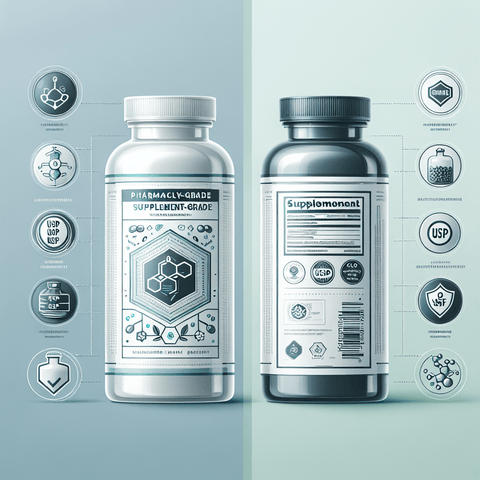
Pharmacy vs. Drugstore Vitamins: What's the Difference?Pharmacy-grade vitamins, sometimes called professional-grade, are typically manufactured in cGMP-certified facilities, undergo extensive testing for purity and potency, and often use bioavailable nutrient forms. Retail drugstore vitamins, while convenient and affordable, can vary widely in quality, with some lacking third-party verification or using fillers that may reduce absorption. Understanding these differences helps you make an informed choice that matches your health needs and budget.Quality and Safety ConsiderationsThird-party testing seals like USP or NSF indicate a supplement has been independently verified for accuracy and purity. Retail products may not always meet these standards. Low-quality supplements risk mislabeling, contamination, or poor bioavailability. Pharmacy-grade products often provide more consistent dosing and clinically backed ingredients, but not all retail options are inferior—some reputable brands sold in drugstores and online also meet high standards. Learning to read labels and verify certifications is key to avoiding counterfeit or subpar products.Making the Right Choice for Your HealthWhile pharmacy vitamins often justify their higher cost with better bioavailability and safety, you can find quality supplements in both settings. Prioritize products with clear labeling, recognized certifications, and transparent sourcing. For specific nutrients like vitamin D, magnesium, or omega-3s, investing in a trusted brand may be worthwhile. Always consult a healthcare professional if you have underlying conditions or take medications, as they can guide appropriate dosing and avoid interactions.