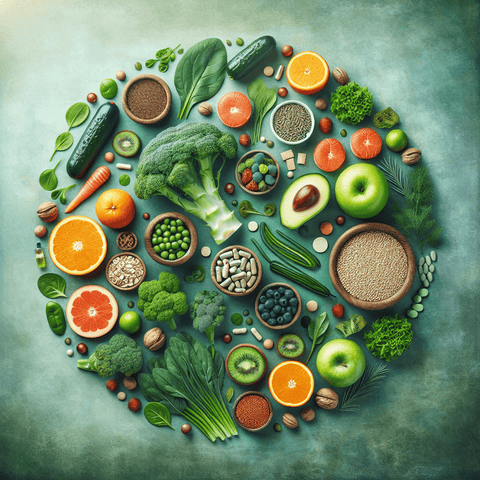
What we eat shapes how we think, feel, recover, and function on a daily basis. Yet, with busy schedules and highly processed options, many people fall short of the micronutrients their bodies rely on. This guide explains what nutrient-rich foods are, why they matter, how to identify potential gaps, and how to close them—with diet first and, when necessary, with targeted supplementation.
What Are Nutrient-Rich Foods and Why Do They Matter?
Defining Nutrient Density: More Than Just Calories
Nutrient density refers to the number of beneficial nutrients—vitamins, minerals, fiber, antioxidants, and phytonutrients—a food provides relative to its calorie content. A food like spinach delivers a high concentration of vitamin K, folate, iron, and magnesium for very few calories. By comparison, white bread provides calories with significantly fewer micronutrients. When you prioritize nutrient-rich foods, you maximize the nutritional return on every bite.
The Difference Between Nutrient-Dense and Energy-Dense Foods
Energy-dense foods, such as fried items, sugary snacks, and refined grain products, deliver large amounts of calories without substantial nutritional value. Nutrient-dense foods, including vegetables, fruits, legumes, nuts, and fatty fish, supply vital compounds while naturally controlling energy intake. This distinction matters because the body requires volume and variety of micronutrients to maintain healthy metabolic function, immune defense, and cognitive performance.
How Nutrient-Rich Foods Support Overall Health and Wellbeing
Consuming a micronutrient-rich diet supports more than just daily energy levels. Vitamins and minerals serve essential roles in bone formation, oxygen transport, nerve signaling, and antioxidant defense. A dietary pattern rich in whole foods has been associated with a lower likelihood of chronic conditions and better mood regulation. Rather than focusing on any single "superfood," the research consistently points to the cumulative benefit of a varied, plant-forward diet.
The Essential Vitamins and Minerals Your Body Needs
Key Micronutrients: What They Do and Where to Find Them
Your body depends on dozens of micronutrients to function optimally. Among the most critical are vitamin D for calcium absorption and immune signaling, vitamin B12 for nerve health and red blood cell formation, iron for oxygen transport, magnesium for over 300 enzymatic reactions, and zinc for immune function and tissue repair. Foods such as leafy greens, legumes, eggs, oily fish, and seeds provide these compounds naturally.
The Role of Antioxidants, Fiber, and Phytonutrients
Beyond vitamins and minerals, plant foods contain bioactive compounds including carotenoids, flavonoids, and sulfur-containing molecules. These phytonutrients, alongside fiber, support gut health, modulate inflammation, and help neutralize free radicals. While these compounds are not classified as essential nutrients in the same way as vitamin C or calcium, the evidence strongly suggests they contribute to long-term health and disease prevention.
Why Whole Foods Outperform Fortified Options for Nutrient Absorption
Whole foods generally outperform fortified products because of the way nutrients interact naturally. For example, vitamin C in a citrus fruit enhances the absorption of its naturally occurring iron. Fat-soluble vitamins in vegetables like spinach become more absorbable when paired with a fat source. Fortified cereals and processed bars may contain added vitamins, but they often lack these synergistic compounds and may be accompanied by excess sugar or sodium.
Common Signs You Might Not Be Getting Enough Nutrients
Physical Symptoms of Nutrient Gaps (e.g., Fatigue, Brittle Nails, Hair Thinning)
Your body sends subtle signals when nutrient intake falls short. Persistent fatigue may indicate inadequate iron, vitamin B12, or magnesium. Brittle nails and hair thinning can reflect low biotin, zinc, or protein intake. Slow wound healing, frequent infections, and muscle cramps may also suggest suboptimal levels of vitamin C, zinc, or potassium. These signs are not diagnostic on their own, but they serve as useful cues to review your dietary patterns.
Mental and Cognitive Signs (Brain Fog, Low Mood, Irritability)
Cognitive symptoms are often overlooked as signs of poor nutrition. Brain fog, difficulty concentrating, and low mood can be influenced by inadequate intake of omega-3 fatty acids, B vitamins, vitamin D, and iron. While mental health is complex and multifactorial, nutritional status is a modifiable factor that deserves attention, especially when other causes have been ruled out.
Why These Symptoms Are Clues, Not Diagnoses
It is important to interpret physical and mental symptoms carefully. Fatigue or irritability can stem from sleep issues, stress, thyroid dysfunction, or other medical conditions. A blood test and professional consultation can confirm whether a deficiency is actually present. This distinction prevents unnecessary supplementation based on guesswork.
Who Is Most at Risk for Nutrient Deficiencies?
How Age Affects Nutrient Absorption and Requirements
Nutrient needs change across the lifespan. Older adults often produce less stomach acid, reducing absorption of vitamin B12, iron, and calcium. Skin becomes less efficient at synthesizing vitamin D with age. Meanwhile, children and adolescents have higher growth-related demands for calcium, iron, and protein. These shifts mean individualized intake matters more than a one-size-fits-all recommendation.
Lifestyle Factors: Stress, Sleep, and Physical Activity Levels
High stress and chronic sleep deprivation can elevate cortisol, which may affect how the body uses magnesium, zinc, and B vitamins. Athletes and active individuals lose additional electrolytes and trace minerals through sweat and have higher energy turnover. In these contexts, dietary needs increase, and attention to nutrient intake becomes more critical.
The Impact of Medications and Chronic Health Conditions
Many common medications affect nutritional status. Metformin is associated with lower vitamin B12 levels. Proton pump inhibitors reduce absorption of magnesium and vitamin B12. Diuretics increase excretion of potassium and magnesium. Autoimmune and gastrointestinal conditions such as celiac disease or Crohn's disease further impair nutrient absorption and may require targeted intervention.
Dietary Patterns That Increase the Risk of Gaps (e.g., Restrictive Diets)
Vegan, vegetarian, and other restrictive dietary patterns can be nutritionally complete if carefully planned. However, without strategic food choices, vegans may fall short on vitamin B12, iodine, and iron. Low-carb diets may reduce intake of fiber-rich fruits and certain B vitamins. Understanding these risks allows for intentional food selection before considering external support.
How Your Individual Needs Vary: Genetics, Health, and Lifestyle
The Influence of Genetics on Nutrient Metabolism (e.g., MTHFR, Vitamin D)
Genetic variation influences how efficiently your body metabolizes or converts certain nutrients. For example, variations in the MTHFR gene affect the conversion of folate into its active form. Other genetic factors influence vitamin D receptor activity and the synthesis of vitamin D in the skin. While genetic testing is not necessary for everyone, it may help explain why certain individuals require higher intake levels.
Life Stages: Pregnancy, Aging, and Athletic Demands
Pregnancy increases demand for folate, iron, iodine, and choline to support fetal development. Aging reduces absorption and may warrant more attention to calcium, vitamin D, and B12. Athletic training increases requirements for electrolytes, iron, and B-complex vitamins. These stages highlight why nutrient needs are dynamic, not static.
Why Men and Women Have Different Nutritional Requirements
Iron needs are higher in women of reproductive age due to menstrual losses, while men have higher overall calorie and zinc requirements. Women are also at greater risk for developing osteoporosis, making calcium and vitamin D intake particularly relevant. Acknowledging these differences supports more appropriate dietary planning.
The Best Dietary Patterns for Maximizing Nutrient Intake
Building a Balanced Plate: The Plate Method for Nutrient Density
A practical way to increase nutrient density is the plate method. Fill half your plate with vegetables and fruits, one quarter with lean protein (fish, poultry, legumes, tofu), and the remaining quarter with whole grains or starchy vegetables. Add a source of healthy fat such as olive oil, avocado, or nuts. This structure naturally emphasizes micronutrient-rich foods without complex tracking.
Top Nutrient-Dense Food Categories (Leafy Greens, Berries, Fatty Fish, Legumes)
Certain categories stand out for consistently high micronutrient content:
- Leafy greens: spinach, kale, Swiss chard for folate, vitamin K, and magnesium
- Berries: blueberries, strawberries for vitamin C and antioxidants
- Fatty fish: salmon, sardines for omega-3 fatty acids and vitamin D
- Legumes: lentils, chickpeas, black beans for protein, iron, and fiber
- Nuts and seeds: almonds, chia seeds, pumpkin seeds for zinc, magnesium, and vitamin E
Smart Eating Habits: Pairing Nutrients for Better Absorption (e.g., Iron + Vitamin C)
How you combine foods influences how well your body absorbs them. Vitamin C significantly enhances the absorption of non-heme iron found in plants—pair beans with bell peppers or lemon juice. Vitamin D and K2 work synergistically to direct calcium to bones. Consuming fat-soluble vitamins with a source of dietary fat improves their bioavailability. These small pairing strategies yield meaningful benefits over time.
Practical Tips for Shopping, Preparing, and Preserving Nutrients in Food
Steaming vegetables rather than boiling preserves water-soluble vitamins. Buying frozen produce can be just as nutritious as fresh since nutrients are locked in soon after harvest. Avoid over-washing produce since vitamins leach into water. Batch-cooking legumes and whole grains ensures convenient, nutrient-dense meals are always available.
Understanding the Role of Supplements in Filling Nutrient Gaps
Why Food Should Always Come First
Whole foods provide a complex matrix of nutrients that supplements cannot fully replicate. Fiber, phytonutrients, and enzymes found in food support digestion and contribute benefits beyond individual vitamins. Food also naturally balances nutrient ratios, reducing the risk of excess intake. For the vast majority of healthy people, dietary improvement should be the first strategy.
When Whole Foods Alone May Not Be Sufficient
In certain situations, dietary intake alone may not meet physiological needs. Vitamin B12 is difficult to obtain from plant sources. Vitamin D synthesis requires sufficient sunlight, which is challenging in winter or for individuals who work indoors. People with malabsorptive conditions may not efficiently extract nutrients from food, even when intake is adequate. These are instances where targeted supplementation becomes genuinely relevant.
The Difference Between a Whole-Foods Approach and Supplementation
A whole-foods approach emphasizes variety, seasonality, and preparation methods that preserve nutrients. Supplementation is a targeted tool designed to correct specific gaps. The two are not competing—they are complementary. Supplements work best when they address a clearly identified need rather than compensating for an overall poor diet.
How to Choose a High-Quality Supplement If You Need One
Key Factors to Compare: Bioavailability, Chelation, and Forms (e.g., Vitamin D3 vs. D2)
Supplement ingredients differ in how well the body absorbs and uses them. For magnesium, citrate and glycinate forms are generally more bioavailable than oxide. Vitamin D3 (cholecalciferol) is better at raising blood levels of 25-hydroxyvitamin D than D2 (ergocalciferol). Iron bisglycinate tends to be gentler on the stomach than ferrous sulfate. Comparing forms is an important step in selecting a mineral supplement that fits your needs.
Matching the Right Form to Your Needs: Capsules, Tablets, Powders, and Liquids
Tablets are economical but may contain more fillers and be harder to break. Capsules digest more rapidly and are often preferred by those with sensitive digestion. Powders offer flexibility for adjusting dosage, and liquids may be ideal for those who have trouble swallowing pills. The best form is the one that supports consistent, appropriate use.
The Importance of Third-Party Testing and Clean Label Practices
Quality varies significantly between supplement brands. Third-party testing by organizations such as USP, NSF, or ConsumerLab verifies that the product contains what the label claims, in the stated amounts, and is free from harmful contaminants. Clean label practices also matter—look for products with minimal additives, no artificial colors, and transparent sourcing.
Avoiding Unnecessary Additives, Fillers, and Allergens
Many supplements contain common allergens such as soy, gluten, and dairy, or unnecessary ingredients like artificial colors and preservatives. If you have sensitivities, check labels for these hidden ingredients. Choosing a supplement with a short, recognizable ingredient list reduces the risk of adverse reactions and improves overall tolerability.
What to Look for on a Supplement Label
Decoding Serving Sizes, % Daily Values, and Ingredient Amounts
A label may state "1,000 mg" or "200% DV," but serving size determines the actual dose. Verify whether each capsule contains the full amount or only a fraction. Also, distinguish between the elemental amount (the actual nutrient) and the compound weight (which includes the carrier molecule). This detail, particularly relevant for magnesium and zinc, affects dosing accuracy.
Recognizing High-Quality Certifications (USP, NSF, ConsumerLab)
Look for verification seals from independent bodies that audit manufacturing quality, ingredient purity, and label accuracy. These certifications provide an objective layer of protection beyond the manufacturer's own claims. While not every high-quality product has certification, absence of it warrants closer inspection of the brand's reputation.
Red Flags: Proprietary Blends, Cheap Forms, and Exaggerated Claims
Be cautious of proprietary blends that obscure individual ingredient amounts, or of products that list low-cost forms of minerals without indicating bioavailability. Also, be wary of claims that promise to cure, reverse, or treat disease—such claims are not just scientifically unfounded but often signal a low-quality product. An antioxidant product that lists "superfood blend" without exact doses is less transparent than one that states specific bioactive content.
Who May Benefit Most From Targeted Supplementation
Specific Populations (e.g., Vegans for B12, Older Adults for Vitamin D, Those with Absorption Issues)
Targeted supplementation is justified in several specific populations. Vegans and vegetarians are advised to supplement vitamin B12 and often iodine, since these are predominantly found in animal foods. Older adults often benefit from vitamin D and calcium, particularly those who are housebound or live at higher latitudes. Individuals with celiac disease, Crohn's disease, or after bariatric surgery may need supplementation to compensate for reduced absorption.
Situational Needs: High Stress, Recovery from Illness, or Poor Dietary Intake
Periods of intense emotional stress, recovery from a severe infection, or prolonged periods of poor appetite may increase nutrient demand above baseline. In these situations, a multivitamin can serve as a temporary safety net while dietary habits are gradually improved. This supportive approach is distinct from treating a diagnosed deficiency with a high-dose specific nutrient.
When Blood Testing and Professional Guidance Are Recommended
If you experience persistent symptoms, or if you belong to an at-risk group, laboratory testing can provide clarity. A simple blood panel measuring vitamin D, iron status (ferritin), vitamin B12, and folate offers objective information about your current status. This allows you to supplement precisely rather than broadly, minimizing the risk of unnecessary intake.
Safety, Interactions, and Potential Side Effects of Supplements
Understanding Upper Limits and the Risk of Toxicity (e.g., Fat-Soluble Vitamins)
Vitamins A, D, E, and K are fat-soluble, meaning they are stored in body tissues and can accumulate to toxic levels when consumed in excess. Water-soluble vitamins like B complex and vitamin C are generally excreted in urine, but extremely high doses can still cause adverse effects. Respecting upper intake levels is essential for safe supplementation.
Common Drug-Supplement Interactions to Be Aware Of
Certain supplements interact with medications. Vitamin K may interfere with blood thinners such as warfarin. High-dose zinc may reduce the absorption of antibiotics. St. John's Wort can alter the metabolism of many prescription drugs. Compiling a complete list of all supplements and medications and reviewing it with a pharmacist is always a prudent step.
The Importance of Informing Your Healthcare Provider About Supplements
Many people disclose medications but not supplements. Given that some nutrients affect physiological systems, surgical outcomes, and drug metabolism, full transparency is crucial. A healthcare provider can help assess whether a supplement is appropriate, at what dose, and for how long.
Making the Final Decision: Food First, Supplements as a Targeted Tool
A Step-by-Step Approach: Assess, Test, Adjust, and Reassess
Begin by evaluating your current eating pattern using a food diary or a healthy eating checklist. If gaps seem likely, attempt targeted increases in specific foods. If symptoms persist or you fall into a high-risk category, consult a professional and consider blood testing. Then, and only then, may targeted supplementation be an appropriate next step. Reassess after a few months to adjust dosage or discontinue what is no longer needed.
Creating a Sustainable Strategy for Long-Term Nutritional Health
Sustainable health is not about short-term fixes but about building habits that persist. Focus on eating a diverse range of colorful vegetables, adequate protein, healthy fats, and whole grains. Consider supplements only as a complement that supports an already solid nutritional foundation, not as a replacement for whole foods.
Final Takeaway: Empowering Yourself with Knowledge and Balanced Choices
Ultimately, nutrient-rich foods provide the foundation for every physiological process in your body. Recognizing how individual your needs are—based on age, health, lifestyle, and genetics—allows you to make informed decisions. When supplementation is genuinely warranted, choosing high-quality, well-absorbed products and using them appropriately can be a prudent part of your health strategy.
Key Takeaways
- Nutrient density refers to the concentration of vitamins, minerals, and beneficial plant compounds per calorie in a food.
- Whole, minimally processed foods (leafy greens, berries, legumes, fatty fish) offer superior nutritional value compared to energy-dense processed foods.
- Common signs of nutrient gaps—fatigue, brittle nails, brain fog—should prompt dietary review, not self-diagnosis.
- Nutrient needs vary with age, sex, lifestyle, genetics, and medical history; there is no universal diet.
- Food pairing strategies, like adding vitamin C to iron-rich plant foods, enhance nutrient absorption.
- Supplements are most relevant for specific gaps like vitamin B12 in vegans or vitamin D in those with limited sun exposure.
- Supplement quality varies; buy from brands with third-party testing and clean labels.
- Certain nutrients (vitamins A, D, E, K) can accumulate to toxic levels; never exceed upper intake limits.
- Always inform your healthcare provider about supplements, especially if taking medications.
- Dietary improvement should always precede supplementation as the primary strategy for long-term health.
Frequently Asked Questions
What does "nutrient-rich" actually mean?
It describes foods with a high concentration of beneficial vitamins, minerals, antioxidants, or fiber relative to their caloric content. Examples include leafy greens, berries, cruciferous vegetables, and legumes.
Can I get all vitamins from food alone?
In most cases, yes—especially vitamin C, vitamin A (as beta-carotene), folate, and magnesium can be obtained in sufficient amounts by eating a diverse, whole-food diet. Exceptions include vitamin B12 (found naturally only in animal foods) and vitamin D (primarily synthesized from sunlight).
What are the most nutrient-dense foods in the world?
Organ meats, particularly liver, are among the most concentrated sources of vitamin A, iron, and B vitamins. More commonly consumed nutrient-dense foods include spinach, kale, salmon, sardines, eggs, blueberries, almonds, and lentils.
What are the signs of a nutrient deficiency?
Symptoms vary, but common signs include persistent fatigue (iron, B12), brittle hair and nails (biotin, zinc), mouth ulcers (B vitamins), poor night vision (vitamin A), and slow wound healing (vitamin C, zinc). Symptoms alone cannot confirm a diagnosis—testing is required.
How do I know if I need supplements or just a better diet?
Start by reviewing your diet. If you consistently skip food groups or follow a restrictive eating pattern, try improving food choices first. If symptoms persist or you belong to a high-risk group (e.g., vegan, older adult), consult a professional for blood testing before supplementing.
Is it better to take a multivitamin or individual supplements?
A multivitamin is a reasonable safety net for generalized gaps, while individual supplements are better for correcting identified deficiencies. Learn more in our guide to multivitamin ingredients. Specific deficiencies, such as iron deficiency anemia, require the targeted nutrient—not a broad multivitamin.
How long does it take to correct a nutrient deficiency?
It depends on the nutrient, the severity of the deficiency, and the supplementation strategy. B12 levels may improve within weeks, while iron stores (ferritin) can take 3–6 months. Re-testing is recommended to confirm resolution rather than continuing supplementation indefinitely.
Are whole foods better than supplements?
Yes, for most people. Whole foods contain synergistic compounds that enhance absorption and provide fiber and phytonutrients that supplements do not. The exception is vitamin B12 for vegans, or vitamin D for those with no sun exposure, where supplementation is both justified and practical.
Can you get too many nutrients from food?
It is extremely difficult to reach toxic levels from food alone, except for certain compounds like vitamin A from excessive liver consumption. Toxicity is far more common with high-dose supplements, especially fat-soluble vitamins (A, D, E, K).
What is the best time of day to take vitamins?
This depends on the nutrient. Water-soluble vitamins (B complex, C) are best taken in the morning with breakfast, as they can affect energy levels and sleep if taken late. Magnesium and calcium are often better taken in the evening for their calming effects.
Do supplements interact with medications?
Yes. Vitamin K can interfere with blood thinners, zinc may reduce antibiotic absorption, and high-dose calcium can affect thyroid medication. Always review your supplement list with a pharmacist, especially if you take daily medication.
What does "bioavailable" mean in a supplement context?
Bioavailability refers to how much of a nutrient your body actually absorbs into circulation. Citrate or glycinate forms of magnesium are more bioavailable than oxide; vitamin D3 is more bioavailable than D2. Choosing the right magnesium form affects both absorption and tolerability.
Related Keywords
- nutrient-rich foods
- micronutrient density
- vitamins and minerals
- signs of nutritional deficiency
- high-nutrient foods for energy
- healthy balanced plate
- food-based nutrient absorption
- whole foods versus fortified foods
- targeted dietary supplementation
- bioavailable supplement forms
- immune system nutrition
- nutrition for energy and brain health