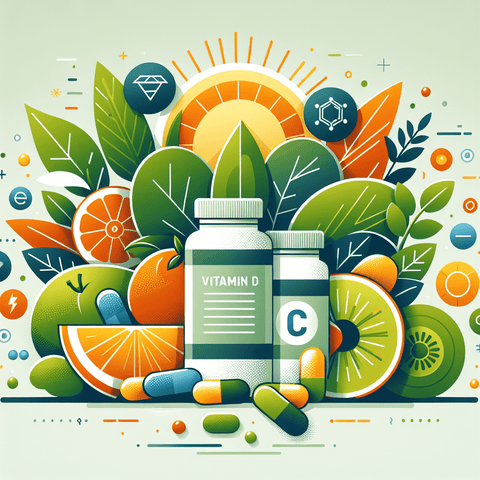
Nutritional optimization is a methodical approach to using food and supplements to enhance health, improve energy, and support long-term well-being. Instead of relying on guesswork, it involves understanding the building blocks of a healthy diet, recognizing individual needs, and using evidence-based strategies to improve your nutrition. This guide provides a broad overview of the topic, the science behind it, and key considerations for building a plan that works for you.
Understanding Nutritional Optimization
What does nutrition optimization mean in practice?
In practice, nutritional optimization means moving beyond simply eating the recommended amounts of food. It involves a careful review of dietary intake results when you consider your lifestyle, activity levels, and health goals. The goal is to adjust your intake of food for your body's specific requirements. This approach aims to shift from a reactive outlook on health (responding to symptoms) to a proactive one, where diet is a structured tool for supporting body’s normal performance.
The building blocks: macronutrients, micronutrients, and hydration
The foundation of any nutrition strategy rests on the right balance of key elements:
- Macronutrients (carbohydrates, proteins, and fats) provide the body with energy for daily activities, exercise, and physiological processes.
- Micronutrients (vitamins and minerals) are crucial for regulating immunity, cellular repair, and cognitive function.
- Hydration is essential for digestion, nutrient transportation, and overall metabolic health.
By focusing on these core pillars, you can create a robust framework for improving energy, focus, and resilience.
Why This Topic Matters for Your Health
Real-world impacts on energy, mood, and physical capacity
The foods you choose have a direct impact on your daily life. Optimized nutrition supports stable energy, clearer thinking, and better mood regulation. Conversely, a diet lacking in key nutrients may lead to feelings of fatigue. For athletes, this can translate into better performance and faster recovery; for those in a busy work environment, it often means improved focus and sustained productivity.
Signals that may indicate nutritional gaps
Your body sends signals when your nutritional intake is inadequate. Some common signs include persistent fatigue, brain fog, and a slow recovery from stress or illness. While these symptoms in isolation do not diagnose deficiencies, they can act as a starting point. If you experience them, it may be worth evaluating your dietary patterns. A healthcare professional can help you on how to treat the root cause.
Three common signs of poor nutrition include persistent fatigue, frequent feelings of weakness, and lack of mental focus. To support a nutrition strategy, look at your diet; if these symptoms persist, you should consider consulting a healthcare professional to check if nutrient deficiencies are causal.
Key Considerations and Individual Variability
How age, genetics, and lifestyle affect your needs
A critical part of nutritional optimization is recognizing that one person’s ‘healthy diet’ may not be right for another. Genetics, age, sex, gut bacteria, and current lifestyle influence how your body absorbs and uses nutrients. For example, a growing teenager’s requirements differ from those of an aging senior. A busy athlete also needs a different macronutrient split than a person with a sedentary job.
Understanding the 4-4-9 rule
A fundamental concept in diet is the caloric value of energy. The ‘4-4-9’ rule is a quick reference guide: carbohydrates and proteins provide about 4 calories per gram, while fats provide 9. This is essential for tracking energy intake and planning a balanced diet. A standard tool in nutrition is valuable for weight management and ensuring you are meeting your energy needs.
This is why focusing on a whole-food-first strategy is central to optimization. Fruits, vegetables, and lean proteins are naturally nutrient-dense and provide your body with a wide range of the necessary vitamins and minerals. It’s easy to get the vitamins and minerals from whole foods, it requires effort and a consistent variety of food choices.
The Role of Dietary Supplements
What can supplements do and what they cannot replace?
Supplements can be valuable tools in achieving nutritional balance, but they are certainly not intended to replace a nutritious, balanced diet. They work best when they can fill a specific gap. For example, using a vitamin supplement when your diet is low in certain vitamins, or using a protein supplement to meet your daily protein needs as an athlete.
Instead of a whole-food-first approach, you can use supplements to fill specific gaps. Common supplement categories that may support a healthier diet include:
- Multivitamins for a broad foundational support.
- Omega-3 fatty acids for heart and brain health.
- Vitamin D, if you have low levels from limited sun exposure.
- Magnesium support for muscle, nerve, and energy.
If you’re considering dietary supplements, explore the range of multivitamins, magnesium, and specialty categories. It’s about working around the concept of supplementation, not replacing food, to meet your needs to further optimize health and performance.
A Practical Framework Decision Framework
To know if you need supplements, start with an ‘A. Test. Decide’ approach.
- Assess your food, your symptoms, and your lifestyle.
- Test with targeted biomarkers with a professional to identify any specific deficiencies.
- Decide on a personalized strategy based on your results, your goals, and correct dosage.
Supplements can be most useful in cases where there are dietary restrictions, food sensitivities, or absorption issues. It’s always best to fill a food gap first, before reaching for a supplement, and you can add supplements once you know what your body is missing.
Considering Nutritional Optimization for Surgery
Nutritional status often plays a role in how well a person is prepared for and recovers from major medical events, such as surgery. In pre-operative care, nutritional optimization may mean ensuring adequate protein and a focus on vitamins C and Zinc to support tissue recovery, while a doctor might also advise a specific diet before surgery. It is not something to do without guidance from a healthcare team. Always follow the advice of a physician related to dietary changes during the peri-operative period.
In clinical settings, they use strategies to ensure the digestive tract is functioning well. For example, in the context of TPN regarding total parenteral nutrition, it is possible to follow an oral diet based on the underlying medical condition. This is an example of how 'optimization' is a highly contextual concept, and always directed by a healthcare professional.
Practical Steps for Your Optimization Journey
A Simple 4-Week Starter Framework
You can start with a simple a four-week plan to get a clearer sense of your approach.
- Week 1: Do a complete dietary audit. Use an app or a notebook for a few days, and see where you may be missing nutrients.
- Week 2: Make changes. Eat more vegetables, lean proteins, and drink more water. Track your mood and energy levels.
- Week 3: Re-assess. Notice if your mood, physical health, or digestion has changed. Consider whether you need any testing.
- Week 4: Refine your strategies. Adopt a maintenance plan that is realistic and sustainable for the long term.
Quality and Safety Considerations for Supplements
When considering supplements, health and safety should be a priority. Choose products from reputable brands that are third-party tested and have transparent labels. Be aware of potential interactions with your medications or other existing health conditions, and be cautious of labels that make unsupported or extreme claims. The best results are achieved via a well-rounded diet and safe, quality supplements.
Deep Dive into Related Topics
This can serve as a hub to explore nutritional optimization further. Specific topics, including immune support and herbal supplements, can be explored for more details regarding specific nutrients and ingredients.
Learning about how specific micronutrients, like vitamin D and omega-3 fatty acids, play roles in wellness can be a next step for your knowledge and goals.
Conclusion
Nutritional optimization is a personalized, gradual, and science-based process. It’s not about the perfect diet but about making adjustments that fit your body and your lifestyle, large and small. By focusing on foundational diet principals, you can enhance energy and build a foundation for long-term health. Start by making small, steady adjustments, and explore quality supplements on the Topvitamine platform to support your journey.
Key Takeaways
- Nutritional optimization is a practice that focuses on a balanced macronutrients and sufficient micronutrients.
- Signals like fatigue and brain fog may indicate a nutritional need and indicate the moment to assess intake.
- We recommend a ‘food-first’ strategy and then include supplements only when a nutritional gap exists.
- Individual needs vary, so a personalized, data-informed strategy is more effective than guesswork.
- The quality of supplements and health professional consultation are critical to ensure safety and efficacy.
Q&A Section
What is the 4 4 9 rule of nutrition?
The 4-4-9 rule is a simple concept to calculate calories. It describes the energy provided by the macronutrients: carbohydrates and proteins each provide 4 calories per gram, while fat provides 9. It’s useful for understanding the energy density of foods, helping to make more informed dietary choices.
Can people on TPN still eat?
Total Parenteral Nutrition (TPN) is a way to deliver nutrients intravenously, bypassing the digestive system. Whether someone can still eat normally is a medical decision based on their underlying condition, gastrointestinal function, and doctor’s advice. In many cases, it can be adjusted and a partial oral diet may be considered once a patient’s condition stabilizes.
What are three signs of poor nutrition?
Common signs include persistent fatigue or low energy, frequent illness or infection due to lowered immunity, and brain mental fog or difficulty focusing. However, since these can have many causes, it’s essential to consult a professional for an accurate evaluation and diagnosis.
What are the best foods to eat 3 days before surgery?
The ideal diet before surgery is usually focused on lean proteins, complex carbohydrates, and hydration, and is often low in fiber if you are preparing for the procedure. Always follow your surgeon’s specific pre-surgery instructions, which are designed to reduce complications and support recovery. Normal dietary advice should be superseded by your surgical team’s guidelines.
How do I choose a good quality supplement?
Look for brands that commit to third-party testing and transparent quality control. Be sure that each ingredient is clearly listed with its exact amount, and the product has clear sourcing that you trust. Always check with a healthcare provider before adding new supplements to your routine, especially if you take prescriptions.
Why is a ‘food-first’ approach important?
Whole foods provide a complex matrix of nutrients in addition to vitamins and minerals: fiber, natural antioxidants, and other beneficial compounds. These can be more effective for overall health. Supplements for that approach fill specific gaps. This is why a whole-food diet is recommended before you reach for a bottle.