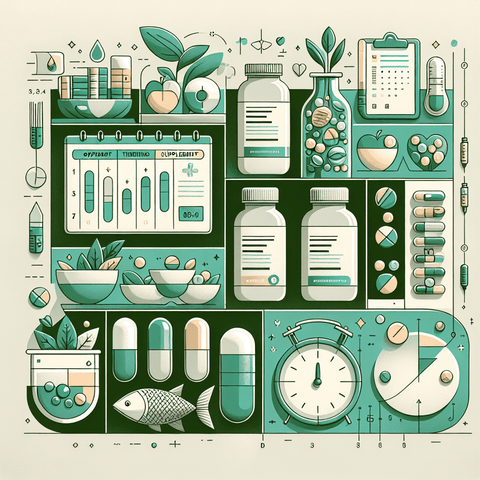
Nutritional support is a broad term that describes how you provide your body with the nutrients it needs to function optimally. It is not about strict diets or complicated rules—it is about building a reliable foundation of whole foods, understanding which nutrients matter most, and knowing when a supplement is genuinely useful. This guide explains what nutritional support means in everyday practice, how to recognize common signs of poor nutrition, and how to make safe, informed decisions about diet and supplements.
The Three Pillars of Nutritional Support
Nutritional support rests on three interconnected pillars. Understanding each one helps you build a balanced approach that works for your individual needs.
1. A Balanced Diet of Whole Foods
The foundation of nutritional support is a diet built around whole foods—vegetables, fruits, proteins, healthy fats, and complex carbohydrates. These foods deliver a wide range of nutrients naturally, including fiber, antioxidants, and phytochemicals that supplements cannot fully replicate. A varied diet remains the best way to meet most of your daily nutrient requirements.
2. Adequate Intake of Essential Nutrients
Key micronutrients like vitamin D, magnesium, iron, B vitamins, and omega-3 fatty acids play specific roles in energy metabolism, immune defense, bone health, and cognitive function. Even with a good diet, some people struggle to get adequate amounts of these nutrients due to food preferences, soil depletion, or increased physiological demands. Ensuring adequate intake of essential vitamins and minerals is the second pillar of nutritional support.
3. Targeted Supplementation When Needed
Supplements are useful when they address a true gap, support increased needs, or help maintain adequate levels during recovery. They are not a substitute for a healthy diet or a medical diagnosis. The third pillar of nutritional support is using targeted supplements only when evidence suggests they are needed. Products like vitamin D supplements or magnesium products can help close identified gaps when diet alone is not enough.
10 Signs Your Nutrition May Be Lacking
Your body often signals nutrient gaps before they become serious. While these signs are not diagnostic on their own, they are worth paying attention to. Common indicators that your nutritional intake may be inadequate include:
- Persistent fatigue or low energy, even after adequate rest
- Frequent infections or slow recovery from illness
- Hair thinning, brittle nails, or dry skin
- Cognitive fog, poor concentration, or memory lapses
- Muscle cramps, weakness, or unexplained aches
- Digestive issues like bloating, constipation, or irregular bowel movements
- Poor sleep quality or feeling unrefreshed after sleeping
- Mood swings, irritability, or persistent low mood
- Slow wound healing or easy bruising
- Pale skin or a feeling of weakness that is unusual for you
If you recognize several of these signs, it does not automatically mean you are deficient. However, it is a clear reason to look more closely at your diet and consider a professional assessment.
Why Symptoms Alone Are Not Enough: The Value of Objective Assessment
Symptoms are helpful clues, but they do not reveal root causes. The same sign—fatigue, for example—can come from iron deficiency, B12 deficiency, disrupted sleep, stress, or an underlying health condition. Relying on symptoms alone can lead to wrong assumptions and unnecessary supplementation.
A more reliable path combines symptom awareness with objective data: blood tests for nutrient levels, a clinical evaluation, and a review of your personal history. This approach is especially important for individuals with coexisting conditions, such as gastrointestinal issues that affect absorption, or those taking medications that interact with nutrients.
When Nutritional Supplements Are Actually Useful
Supplements are not a substitute for a healthy diet, but they are valuable in specific situations. Knowing when they help is part of responsible nutritional support.
- True nutrient gaps confirmed by testing
- Increased nutrient demand during pregnancy, athletic training, or recovery from illness
- Restrictive diets like vegan or vegetarian that may miss vitamin B12, iron, or omega-3s
- Age-related needs, such as vitamin D or calcium for bone health in older adults
In these cases, supplements like B-complex vitamins or minerals can help close the gap. But supplements cannot fix a poor diet, replace medical diagnosis, or counteract the effects of a sedentary lifestyle.
The 6 Main Types of Nutritional Supplements
Nutritional supplements generally fall into six categories. Understanding these helps you navigate product labels and choose what fits your needs.
- Vitamins: Individual nutrients like vitamin D, C, or B12, used to address specific needs
- Minerals: Such as magnesium, calcium, iron, zinc, or selenium, supporting structure and metabolic function
- Multivitamins: A broad blend of vitamins and minerals designed to cover general gaps
- Essential fatty acids: Omega-3s like EPA and DHA, important for heart and cognitive health
- Amino acids and proteins: Used for muscle recovery and structural support
- Botanicals and herbal extracts: Traditional ingredients like curcumin or ashwagandha, used within their traditional context
How to Choose Supplements Wisely: Quality, Labels, and Safety
Not all supplements are created equal. Choosing responsibly protects your health and ensures you get value for your money.
Quality Signals to Look For
Look for third-party testing, certification seals like USP or GMP, and brand transparency about sourcing and manufacturing. These markers indicate the product meets safety and quality standards.
Reading Supplement Labels
Check the dosage per serving, the form of the nutrient (e.g., magnesium citrate vs. oxide), and any fillers or allergens. The label should clearly state the ingredient and the amount, not hide behind proprietary blends.
Dosing, Upper Limits, and Interactions
More is not better. Respect established upper limits, consider potential nutrient-nutrient interactions (like calcium and iron competing for absorption), and be aware of medication interactions. Never start a supplement without reviewing dosing guidelines.
Meal Planning: The Foundation of Nutritional Support
Meal planning is where nutritional support becomes real. It is not about perfection—it is about consistency. Focus on these principles.
- Build meals around a protein source, a colorful vegetable, and a complex carbohydrate
- Include healthy fats for nutrient absorption—for example, olive oil with salads, or avocado with eggs
- Aim for a variety of colors on your plate to maximize micronutrient diversity
- Plan snacks that combine protein and fiber, like nuts with fruit or yogurt with seeds
When supplementation is part of your plan, timing matters. Fat-soluble vitamins (A, D, E, K) are better absorbed when taken with a meal that contains fat. Water-soluble vitamins can be taken with or without food, but consistency matters most.
Practical Steps to Build Your Nutritional Support Plan
You can start improving your nutritional support today with a simple, step-by-step approach.
- Assess your diet: Track meals for a week and look for obvious gaps—low vegetable intake, limited protein sources, or irregular eating patterns
- Review your symptoms and risk factors: Use the list of 10 signs above as a starting point, but confirm any suspicion with testing
- Consider blood testing: A simple panel for ferritin, vitamin D, B12, magnesium, and thyroid function can rule out the most common deficiencies
- Choose targeted supplements only if needed: Match the supplement to the confirmed gap, not to a trend
- Reassess after 8–12 weeks: Track symptoms and energy levels to decide if the approach is working
Individual Variability: Why One Plan Does Not Fit Everyone
Your genetics, gut microbiome, age, sex, and even stress levels affect how you absorb and use nutrients. This is why a one-size-fits-all approach to nutritional support rarely works. What worked for a friend may not work for you, and that is normal.
This variability also explains why symptoms alone are not a reliable guide. A nutrient level that is normal for one person might be low for another, especially if their body requires more due to activity level or health status. The safest approach is to start with a balanced diet, add supplements based on confirmed needs, and adjust through observation and professional guidance.
Is Nutritional Therapy Covered by Insurance?
Insurance coverage for nutritional therapy varies widely. Many plans cover medical nutrition therapy when a doctor diagnoses a condition like diabetes, kidney disease, or an eating disorder. Some cover sessions with a registered dietitian as preventive care. The best way to know is to contact your insurer and ask whether they cover consultations with a dietitian or nutritionist, and whether they require a physician referral.
Red Flags: When to Pause or Seek Professional Advice
Supplementation is not without risk. Pause and consult a healthcare professional if you experience any of the following.
- You are pregnant or planning to become pregnant
- You have a chronic condition like kidney disease, liver disease, or thyroid disorder
- You take medication that might interact with supplements (for example, blood thinners and vitamin K)
- You have a history of eating disorders or difficulty eating
- Your symptoms worsen or do not improve after 8–12 weeks
Making Informed Supplement Decisions with Topvitamine
When you know exactly what you need, finding a reliable product becomes easier. Topvitamine.com provides curated, evidence-informed supplement categories that help you match the right product to your health goal. Whether you are looking for a multivitamin for general support or a specific nutrient to fill a confirmed gap, using a reliable source makes a meaningful difference in quality and safety.
Frequently Asked Questions
What is nutritional support?
Nutritional support is a combination of dietary choices, adequate nutrient intake, and, when necessary, targeted supplements that help you maintain optimal health and prevent deficiencies. It is a practical, evidence-based approach to eating and supplementing for your specific needs.
What are 10 signs of poor nutrition?
Common signs include persistent fatigue, frequent infections, hair and nail changes, cognitive fog, muscle cramps, digestive issues, poor sleep, mood swings, slow wound healing, and pale skin. These symptoms may point to deficiencies, but confirming them with a blood test is the most reliable next step.
Is nutritional therapy covered by insurance?
Coverage depends on your plan and the reason for the therapy. Many insurers cover medical nutrition therapy for specific diagnoses, and some cover preventive consultations with a dietitian. Check with your provider to confirm what is included in your policy.
What are 6 different types of nutritional supplements?
The six main types are individual vitamins (like vitamin D or C), minerals (such as magnesium or iron), multivitamins, essential fatty acids (omega-3s), amino acids and proteins, and herbal or botanical extracts. Each serves a different purpose and should be chosen based on specific needs.
Next Steps: Taking a Proactive Approach to Your Health
Nutritional support is not a one-time fix—it is an ongoing practice. Start by reviewing your current eating patterns, listen to what your body signals, and base supplement decisions on evidence rather than urgency. If you are not sure where to begin, explore categories like vitamin D, magnesium, or B-complex, and use trusted resources to guide your choices. The goal is progress, not perfection: small, consistent changes compound over time to support energy, immunity, and long-term wellbeing.