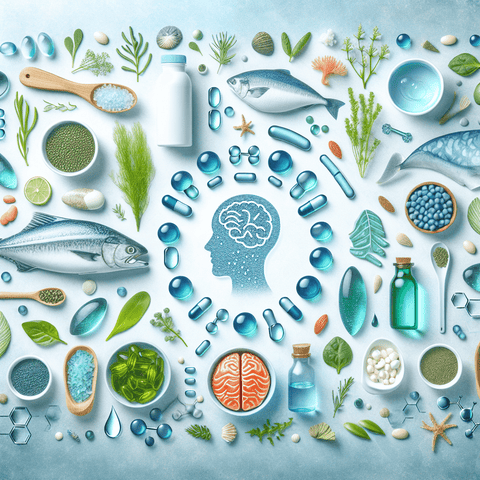
Omega-3 fatty acids are essential fats that play a critical role in many aspects of health, from brain and heart function to skin and joint health. An omega-3 deficiency can develop when your diet doesn't provide enough of these vital nutrients. This guide provides a comprehensive overview of omega-3 deficiency symptoms, helps you understand the potential causes, and outlines practical steps you can take to improve your omega-3 status through diet and lifestyle.
What Are Omega-3 Fatty Acids?
Omega-3s are a family of polyunsaturated fats that are vital for normal metabolism. The three main types are:
- Eicosapentaenoic acid (EPA), found in fatty fish and known for its role in supporting heart health and managing inflammation.
- Docosahexaenoic acid (DHA), also found in fatty fish, is a primary structural component of the brain and eyes.
- Alpha-linolenic acid (ALA), a plant-based omega-3 found in sources like flaxseed and walnuts, which your body can partially convert to EPA and DHA.
Because the conversion of ALA to EPA and DHA in the body is inefficient, relying solely on plant sources may not be enough to maintain optimal levels. Understanding these types is essential to recognizing how a deficiency can occur.
Common Omega-3 Deficiency Symptoms
The signs of an omega-3 deficiency are often broad and can be mistaken for other conditions. It's important to view these as potential indicators rather than definitive diagnoses. If you are experiencing several of these symptoms persistently, it may be worth evaluating your dietary intake.
- Dry, flaky skin, rough patches, or a dry, itchy scalp.
- Brittle hair and nails that are prone to splitting.
- Persistent fatigue or low energy that isn't explained by sleep or activity.
- Difficulty concentrating, poor memory, or a general feeling of 'brain fog'.
- Mood swings, irritability, or feelings of low mood.
- Joint stiffness, discomfort, or pain, particularly after periods of inactivity.
- Eye discomfort, such as dry, burning eyes or blurred vision.
These symptoms relate to omega-3's diverse roles in the body, including supporting the skin's moisture barrier, regulating inflammatory responses, and contributing to brain cell structure and function.
What Causes Omega-3 Deficiency?
An imbalance of omega-3s typically develops over time, often due to a combination of dietary and lifestyle factors. Identifying the causes can help you understand if you are at risk.
Dietary Habits
The most common cause is a diet low in rich sources of omega-3s. This includes not regularly consuming fatty fish (such as salmon, mackerel, or sardines) or plant sources like flaxseed, chia seeds, and walnuts. A diet high in processed foods and omega-6 fatty acids can also disrupt the balance.
Increased Needs or Absorption Issues
Certain life stages and conditions increase the body's demand for omega-3s or affect its ability to absorb them. For example, during pregnancy and lactation, DHA is needed in higher amounts for the baby's developing brain and eyes. Also, some digestive health issues can impair the absorption of fats, and with them, omega-3s.
Lifestyle and Genetic Factors
Your overall health, stress levels, and even your genetics can influence how efficiently your body processes and utilizes omega-3s. Individual variability in fatty acid metabolism means that some people may have a higher requirement than others, making them more susceptible to deficiency.
Foods High in Omega-3
To address a deficiency, the first step is to increase your intake of omega-3-rich foods. Incorporating a variety of these sources into your daily or weekly routine can help close the gap.
- Fatty Fish: Salmon, mackerel, sardines, herring, and anchovies are among the most concentrated sources of EPA and DHA.
- Plant Sources: Flaxseeds, chia seeds, hemp seeds, and walnuts are excellent sources of ALA.
- Other Sources: Some eggs, dairy, and other foods are fortified with DHA. Edamame and certain leafy greens contain smaller amounts of ALA.
How to Increase Your Omega-3 Intake
There are practical ways to increase your omega-3 intake and address a potential deficiency. Often, it involves a combination of dietary adjustments and, where appropriate, considering a supplement as part of a holistic health approach. For those considering this route, exploring a dedicated collection of DHA and EPA omega-3 supplements can be a helpful starting point.
- Aim for two servings of oily fish per week. A serving is about 100-150 grams.
- Include plant sources in your daily diet. Add a tablespoon of ground flaxseed to smoothies or yogurt, or enjoy a handful of walnuts as a snack.
- If you follow a vegetarian or vegan diet, consider a DHA supplement derived from algae to ensure you're getting this important fatty acid.
- When choosing a supplement, look for products that provide a meaningful amount of EPA and DHA and are tested by third parties for purity and freshness.
The Broader Impact of Omega-3 Status
The influence of omega-3s extends to multiple systems in the body. Maintaining an adequate status is not just about avoiding the symptoms of deficiency; it's about supporting long-term well-being.
Brain and Cognitive Function
DHA is a major structural component of the brain. Maintaining healthy levels is important for focus, memory, and overall cognitive function throughout life.
Heart and Cardiovascular System
EPA and DHA support cardiovascular health by helping to maintain healthy blood pressure and triglyceride levels. This is why they are a focus in discussions about heart health.
Inflammation and Immune Response
Omega-3s play a role in regulating the body's inflammatory response. An adequate intake helps support a balanced immune system and may ease occasional joint or skin discomfort related to inflammation.
Choosing an Omega-3 Supplement
For many, a supplement is a practical way to help meet omega-3 targets, especially if dietary changes alone are not enough or are not possible. When evaluating options, it's important to look beyond just the label.
- Types: The most common are fish oil, krill oil, and algae-based DHA. Fish oil is typically rich in both EPA and DHA. Krill oil also contains these but in a different molecular form. Algae oil is a suitable option for vegetarians and vegans.
- Quality and Purity: Select supplements that have been third-party tested for purity, meaning they are free from contaminants like mercury and PCBs. Look for fresh products to avoid oxidation, which can reduce their effectiveness.
- Dosage: General guidance for healthy adults often suggests a combined total of 250–1000 mg of EPA and DHA per day. However, specific health goals and conditions may require different amounts. Always follow the label and consult a healthcare provider for personalized advice.
If you are exploring supplement options, you may also be interested in general natural supplements, or you might want to research other nutrients that work synergistically with omega-3s, such as vitamin D, which is often paired with omega-3 in wellness routines.
Important Considerations and Safety
While omega-3 fats are vital, it is important to remember that symptoms alone do not confirm a deficiency. Other medical or nutritional issues can cause similar signs. This information is for educational purposes and should not be used for self-diagnosis.
Consult a Professional
If you are pregnant, nursing, on blood-thinning medication, or have a chronic health condition, it is especially important to speak with a qualified healthcare provider or nutrition professional before starting a supplement. They can help assess your specific needs and determine if and how much supplementation is appropriate for you.
Key Takeaways
- Omega-3 deficiency symptoms can be subtle and often include dry skin, fatigue, brain fog, and mood changes.
- The most common cause of deficiency is a diet low in omega-3-rich foods, but absorption and genetic factors also play a role.
- Increasing your intake of fatty fish and plant sources like flaxseed and walnuts is an excellent first step.
- A high-quality supplement can be a valuable tool for filling dietary gaps, especially for those with specific dietary needs or health goals.
- It is essential to view symptoms as potential indicators and to consult with a healthcare professional for a comprehensive assessment.
Frequently Asked Questions
Which food is high in omega-3?
The foods highest in omega-3 are fatty fish like salmon, mackerel, and sardines, which contain EPA and DHA. For plant-based ALA, excellent sources include flaxseed, chia seeds, and walnuts.
What depletes omega-3 in the body?
A diet high in omega-6 fatty acids, found in many processed foods and vegetable oils, can disrupt the omega-3 to omega-6 ratio and reduce the body's ability to utilize omega-3s. Digestive issues can also impair the absorption of fats, including omega-3s.
How can I increase my omega-3?
You can increase your intake by eating more omega-3-rich foods such as fatty fish twice a week and including plant sources like ground flaxseed, chia seeds, or walnuts in your daily diet. If needed, a quality supplement can help bridge the gap.
How long does it take to fix an omega-3 deficiency?
The time it takes to improve omega-3 levels can vary. Consistent dietary changes and supplementation can begin to influence fatty acid levels in the body over a period of weeks to months. However, individual results depend on the severity of the deficiency, overall diet, and metabolic factors.