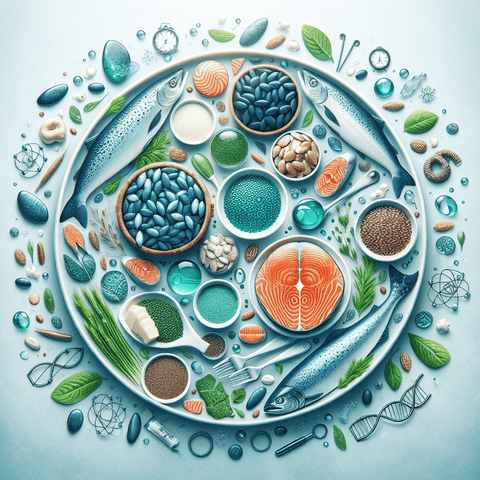
Omega-3 fatty acids are essential fats that play important roles in the body, from supporting cell membrane structure to contributing to normal cardiovascular, brain, and eye function. Because the body cannot efficiently produce them on its own, diet is the primary source. This page explores the broad landscape of omega-3 diet benefits—what these fats are, where they come from, how plant and marine types differ, and what to consider when thinking about intake. It serves as a topical hub for understanding the major dimensions of omega-3 nutrition, while more specific questions are covered in dedicated articles linked below.
What Are Omega-3 Fatty Acids?
Omega-3s are a group of polyunsaturated fatty acids characterized by a double bond at the third carbon atom from the methyl end of the chain. They are considered essential because the human body cannot synthesize them efficiently from other fats. The three most studied types are ALA (alpha-linolenic acid), EPA (eicosapentaenoic acid), and DHA (docosahexaenoic acid). Each has distinct food sources and roles in the body, and researchers continue to explore how they influence various aspects of health. Observational studies can identify associations between omega-3 intake and health outcomes, while controlled trials test relationships under specific conditions. Differences in study design, population, and how outcomes are measured can lead to varying findings, so interpreting omega-3 research requires attention to context.
Why Omega-3s Matter in the Diet
Omega-3 fatty acids are incorporated into cell membranes throughout the body and serve as precursors to signaling molecules involved in normal inflammatory and cardiovascular function. They also contribute to the structural integrity of brain and retinal tissue, particularly DHA. Because of these roles, dietary omega-3 intake has been studied in relation to heart health, brain function, mood, and general wellness. However, it is important to distinguish between established physiological roles and claims about specific health outcomes, which may be influenced by many factors. Public health guidelines generally recommend including omega-3-rich foods as part of a balanced diet, though individual needs vary by age, sex, life stage, and overall health status.
Main Types of Omega-3s and Their Differences
The three primary omega-3 fatty acids differ in structure and function. ALA is found mainly in plant foods and must be converted by the body into EPA and DHA, a process that is generally limited and varies between individuals. EPA and DHA are found predominantly in marine sources and are often the focus of research on cardiovascular and brain health. Algae-based sources also provide DHA and sometimes EPA, making them relevant for those following plant-based diets. Understanding these distinctions helps when comparing food labels, supplement products, and dietary recommendations.
Dietary Sources of Omega-3s
Omega-3s are found in a variety of foods, with the richest sources being fatty fish and certain plant oils, seeds, and nuts. The table below provides a general overview of omega-3 content in selected foods. Values are approximate and can vary by species, growing conditions, and preparation methods.
- Marine sources: salmon, mackerel, sardines, anchovies, herring, tuna, and cod liver oil.
- Plant sources: flaxseed, chia seeds, walnuts, hemp seeds, and oils such as flaxseed oil, chia oil, and walnut oil.
- Algae-based sources: certain microalgae and algal oils, which provide DHA and sometimes EPA.
- Fortified foods: some eggs, dairy products, and juices may be fortified with omega-3s, though amounts vary.
Understanding Recommended Intake and Dietary Guidelines
There is no single global standard for omega-3 intake, and recommendations differ by country and organization. Many guidelines focus on encouraging regular consumption of fatty fish or other omega-3-rich foods rather than specifying exact daily amounts of EPA and DHA for the general population. Some authorities provide suggested adequate intakes for ALA, while others offer guidance for specific groups such as pregnant or breastfeeding women. Because individual needs can vary, it is advisable to consult a qualified healthcare professional for personalized advice. The context of overall diet, lifestyle, and health status also matters when considering omega-3 intake.
Plant-Based vs. Marine Omega-3 Sources
Plant and marine sources of omega-3s differ primarily in the types of fatty acids they provide. Plant sources are rich in ALA, which the body can convert to EPA and DHA to a limited extent. Marine sources, including fatty fish and algae, provide preformed EPA and DHA, which are more directly usable by the body. For individuals who follow vegetarian or vegan diets, algae-based supplements can be a way to obtain DHA and EPA without fish. When comparing options, it is helpful to look at the total amount of EPA and DHA provided per serving, as these are often the types associated with the most researched benefits.
Supplement Considerations and Safety
Omega-3 supplements are available in many forms, including fish oil, krill oil, cod liver oil, and algal oil. They vary in concentration, purity, and the ratio of EPA to DHA. While supplements can help fill dietary gaps, they are not a substitute for a balanced diet. Potential interactions with medications—such as blood thinners—and individual tolerances should be discussed with a healthcare professional. Some people may experience mild digestive effects. It is also important to choose products from reputable manufacturers that test for contaminants. For those interested in supplement options, our DHA and EPA omega-3 supplements category provides a range of products to explore.
Common Questions About Omega-3 in the Diet
What happens if you eat omega-3 everyday?
Eating omega-3-rich foods daily as part of a balanced diet is generally considered safe and may help maintain adequate intake. The long-term effects depend on the overall diet, lifestyle, and individual health status. Some research suggests associations with cardiovascular and cognitive health, but findings are not uniform. It is always best to focus on overall dietary patterns rather than a single nutrient.
What food is highest in omega-3?
Fatty fish such as mackerel, salmon, sardines, and anchovies are among the richest sources of EPA and DHA. Among plant foods, flaxseed and chia seeds are high in ALA. The "highest" source depends on whether you are measuring total omega-3s or specifically EPA and DHA.
Can omega-3 reduce belly fat?
Some studies have explored omega-3 intake in relation to body composition, but evidence is mixed and not definitive. Omega-3s are not a weight-loss supplement, and any effects on belly fat are likely small and influenced by many factors including overall diet and physical activity. Sustainable weight management typically requires a comprehensive approach.
What are the signs you need omega-3?
True omega-3 deficiency is rare in healthy populations, but low intake may be associated with dry skin, fatigue, or poor concentration in some cases. These signs are nonspecific and can have many causes. If you suspect a deficiency, consult a healthcare professional for proper evaluation rather than self-diagnosing.
Exploring Omega-3 in Context
Omega-3s are just one component of a healthy diet. They interact with other nutrients and lifestyle factors, and their effects are best understood within the broader context of overall eating patterns. For those interested in related nutritional topics, our superfoods guide explores nutrient-dense foods, while our antioxidants collection covers another category of compounds studied for their role in health. Always remember that supplements are not a substitute for a varied diet, and personalized advice should come from a qualified healthcare provider.