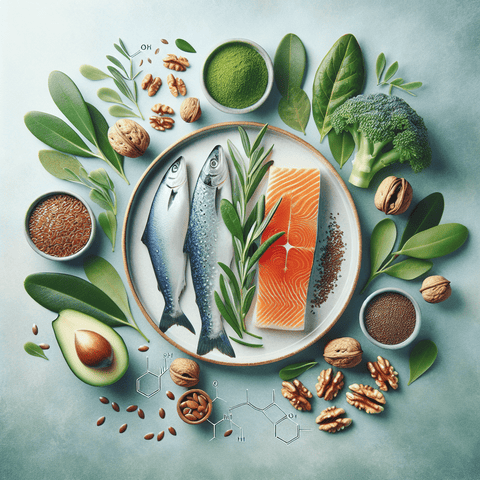
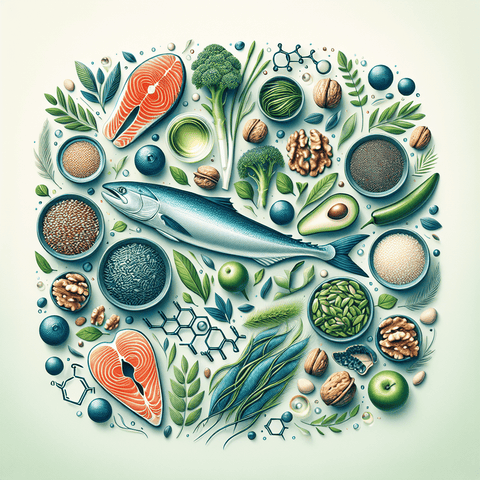
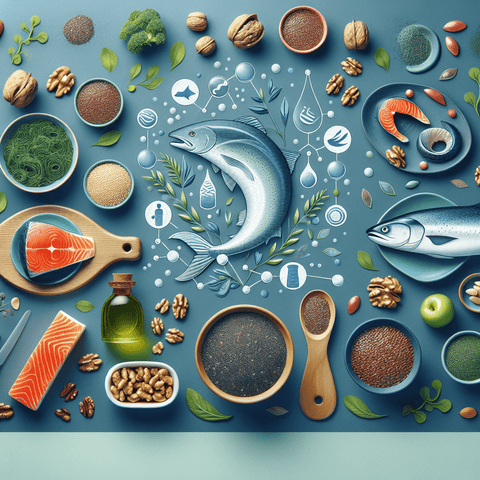
Omega-3 fatty acids are essential fats that the body cannot make efficiently on its own, so they must come from food or supplements. They are involved in cell membrane structure and support heart, brain, and eye health throughout life. Understanding the best omega 3 foods matters because intake is often low in typical Western diets, especially among people who rarely eat oily fish. This guide explains the main omega-3 types, daily needs, top food sources, plant-based conversion limits, signs of low intake, and when supplementation may be worth discussing with a healthcare professional.
What Are Omega-3 Fatty Acids and Why Do They Matter?
Omega-3s are polyunsaturated fats with a double bond located three carbons from the methyl end of the chain. That chemical detail matters because different omega-3s have different roles and different food sources. The body uses them in cell membranes, especially in the heart, brain, and retina, and they influence the production of signaling molecules involved in inflammation and blood vessel function.
They are considered essential because human metabolism cannot create the parent omega-3, alpha-linolenic acid, from scratch. EPA and DHA can be made from ALA, but only to a limited extent. This is why nutrition guidance emphasizes both total omega-3 intake and reliable sources of EPA and DHA, not merely a number on a label.
The Three Main Types: EPA, DHA, and ALA
ALA is the plant-based omega-3 found in flaxseed, chia seeds, hemp seeds, walnuts, soybeans, and canola oil. EPA and DHA are longer-chain omega-3s found mainly in oily fish, seafood, and algae. DHA is especially concentrated in brain and retinal tissue, while EPA is more closely linked to inflammatory signaling and cardiovascular pathways. All three matter, but they are not interchangeable in terms of biological potency.
How Omega-3s Support Heart, Brain, and Eye Health
Omega-3s help maintain normal cell membrane fluidity and function. DHA is a structural component of the brain and retina, and EPA contributes to the balance of lipid-derived signaling molecules. Research indicates that regular intake of EPA and DHA is associated with cardiovascular and cognitive health, but this does not mean omega-3s prevent or treat every heart or brain condition. Diet quality, blood pressure, smoking, activity, and genetics all influence health outcomes.
How Much Omega-3 Do You Actually Need Per Day?
Requirements are usually described separately for ALA and for combined EPA plus DHA. Many public health guidelines suggest roughly 250 mg per day of combined EPA and DHA for generally healthy adults. ALA recommendations are higher because it is the parent plant omega-3: about 1.1 g per day for adult women and 1.6 g per day for adult men, though individual guidance can vary.
Recommended Daily Intake for EPA and DHA
For many adults, a daily target of about 250 mg EPA plus DHA is a practical reference. Pregnancy and breastfeeding often call for additional DHA to support fetal and infant development, and healthcare professionals may recommend specific amounts. These are general nutrition reference points, not individualized medical prescriptions. People with existing heart disease, high triglycerides, or other clinical concerns should follow professional advice rather than self-prescribing high doses.
Why the Right Omega-6 to Omega-3 Ratio Matters
Omega-6 and omega-3 fats compete for some of the same enzymes and influence overlapping pathways. Very high omega-6 intake alongside low omega-3 intake is common in diets heavy in refined seed oils and low in fish. However, the ideal ratio is debated, and current evidence does not support a single universal target. A more useful goal is to increase reliable omega-3 sources while maintaining an overall balanced, minimally processed diet.
The Best Omega-3 Foods to Add to Your Diet
Food sources differ meaningfully. Oily fish and seafood provide preformed EPA and DHA, while plant foods provide ALA. Fortified foods can contribute small but useful amounts. The most effective strategy is usually to include a variety of these foods across the week rather than relying on one “superfood.”
Fatty Fish: The Highest Source of EPA and DHA
Salmon, mackerel, sardines, herring, anchovies, and rainbow trout are among the richest sources of EPA and DHA. Canned sardines and salmon are convenient, often affordable, and retain their omega-3 content when packed in water or oil. Many guidelines suggest eating oily fish once or twice per week. People who avoid fish can use algal oil, which provides DHA and sometimes EPA without marine animal products.
- Salmon: rich in DHA and EPA; fresh, frozen, or canned
- Sardines and anchovies: small fish with high omega-3 density
- Mackerel and herring: strong sources, often available smoked or canned
- Rainbow trout: a milder oily fish option
Plant-Based Omega-3 Sources Rich in ALA
Flaxseeds, chia seeds, hemp seeds, walnuts, soybeans, edamame, and canola oil are reliable ALA sources. Ground flaxseed and chia seeds are easier to use than whole seeds, and they can be added to yogurt, oatmeal, smoothies, or baked goods. These foods also provide fiber, protein, and micronutrients, making them valuable beyond their omega-3 content.
- Ground flaxseed: about 2.3 g ALA per tablespoon
- Chia seeds: about 2.5 g ALA per ounce
- Walnuts: about 2.5 g ALA per ounce
- Hemp seeds and soy foods: useful ALA contributors
Fortified Foods and Other Surprising Sources
Some eggs, milk, yogurt, juices, spreads, and breads are fortified with omega-3s, often from algal or fish oil. These can help close small gaps, but amounts vary widely, so labels matter. Seaweed and microalgae contain some DHA and EPA, although seaweed is usually not a concentrated source. Grass-fed meat and dairy may contain slightly more omega-3 than conventional versions, but they are not comparable to oily fish. For broader nutrient-dense options, see this superfoods guide.
Why Plant-Based ALA Doesn't Convert Efficiently to DHA
ALA can be converted to EPA and then DHA, but the process is limited and variable. Conversion depends on genetics, sex, age, diet, and overall health. This does not make plant omega-3 foods unimportant; it means that vegans and vegetarians may need to pay closer attention to DHA intake, especially during pregnancy and early life.
Conversion Rates and What They Mean for Vegans and Vegetarians
Research suggests that only a small percentage of ALA is converted to EPA, and an even smaller percentage to DHA. Estimates vary, but conversion to EPA is often in the single digits to low teens, while conversion to DHA is typically below a few percent. Because of this, a diet rich in flax and walnuts may support ALA status without guaranteeing optimal DHA status. Algal oil is a direct DHA source and is often the most practical option for people who avoid fish.
Who Is Most Likely to Be Low in Omega-3s?
Low omega-3 status is not limited to people with obvious symptoms. It is more often a gradual pattern linked to diet, absorption, and life stage. People who rarely eat oily fish, who follow restrictive diets, or who have higher requirements may be more likely to fall short.
Common Dietary Patterns That Fall Short
Diets low in seafood and high in highly processed foods can supply little EPA and DHA. Vegan and vegetarian diets may be rich in ALA but low in direct DHA unless algal oil or fortified foods are included. People who dislike fish, live in areas with limited seafood access, or rely on repetitive convenience foods may also have lower intake.
Factors That Can Increase Your Omega-3 Requirements
Pregnancy and breastfeeding increase DHA needs for maternal and infant development. Older adults may have higher needs or altered absorption. Gastrointestinal conditions that affect fat absorption, such as inflammatory bowel disease or pancreatic insufficiency, can reduce uptake. Smoking, high alcohol intake, and very high omega-6 intake may worsen the balance, although these factors should be addressed through overall lifestyle change rather than supplements alone.
Omega-3 Deficiency Signs and Risk Factors
There is no simple, specific “omega-3 deficiency” symptom set that can be diagnosed from how someone feels. Signs often attributed to low intake include dry skin, fatigue, poor concentration, and mood changes, but these are nonspecific and can have many causes. They should not be used to self-diagnose a nutrient deficiency.
Physical and Cognitive Signs Associated with Low Intake
Very low essential fat intake can contribute to rough or dry skin and impaired growth in rare cases. Some observational studies link low omega-3 status with cognitive or mood concerns, but causality is not established. Because symptoms overlap with stress, sleep problems, anemia, thyroid issues, and other conditions, professional assessment is more reliable than guessing from symptoms alone.
How a Blood Test Can Assess Your Omega-3 Status
The omega-3 index measures EPA and DHA as a percentage of red blood cell fatty acids and is one way to estimate longer-term status. It is not a routine test for everyone, and results need interpretation in context. A blood test can be useful when intake is uncertain, when absorption problems are suspected, or when a healthcare professional is monitoring a specific concern.
How to Get More Omega-3s Through Food and Lifestyle
Improving omega-3 intake is usually more about consistent food choices than dramatic changes. Small, repeatable additions often work better than occasional large portions. Cooking and storage also matter because omega-3 fats are susceptible to oxidation.
Practical Tips for Eating More Oily Fish Each Week
Keep canned sardines, salmon, or mackerel on hand for quick meals. Add smoked trout to salads, use canned fish in pasta or rice dishes, or roast salmon once and use leftovers cold. If fish is not acceptable, include ground flaxseed, chia pudding, walnuts, and fortified algal products regularly. A simple weekly plan with one or two fish meals and daily plant omega-3 sources can close many gaps.
Best Cooking and Storage Practices to Preserve Omega-3s
Omega-3 fats can oxidize when exposed to heat, light, and air. Store oils and seeds in cool, dark places and keep ground flaxseed refrigerated. Prefer gentle cooking methods such as baking, steaming, or poaching rather than prolonged high-heat frying. Canned fish retains omega-3s well, but once opened it should be refrigerated and used promptly.
When Supplementation May Be Worth Considering
Supplements are not automatically necessary for everyone. They may be reasonable when food intake is consistently low, when requirements are increased, or when absorption is reduced. A supplement can support intake, but it does not replace a varied diet or medical care.
Situations Where Food Intake Often Isn't Enough
People who never eat fish, vegans who do not use algal oil, pregnant or breastfeeding women with low DHA intake, older adults with poor appetite, and people with fat malabsorption may benefit from professional guidance about supplementation. High-dose omega-3 products are sometimes used under medical supervision for specific clinical purposes, but that is different from routine nutritional support.
Why Not All Omega-3 Supplements Are Equal
Products differ in total EPA and DHA, chemical form, purity, freshness, and serving size. Some contain mostly ALA or low amounts of EPA and DHA, which may not match the intended goal. If supplementation is being considered, the DHA and EPA omega-3 supplement range illustrates how labels and forms can vary, but product choice should follow actual intake needs.
What to Look For in an Omega-3 Supplement
Start with the amount of EPA and DHA per serving, not the total fish oil weight. A 1,000 mg fish oil capsule may contain only a few hundred milligrams of combined EPA and DHA. Check the serving size, expiry date, storage instructions, and whether the product has been tested for oxidation and contaminants.
Fish Oil vs. Krill Oil vs. Algal Oil vs. Cod Liver Oil
Fish oil is the most common and often the most economical source of EPA and DHA. Krill oil provides omega-3s partly in phospholipid form, but evidence does not show it is universally superior. Algal oil is suitable for vegans and provides DHA directly. Cod liver oil also supplies vitamin A and vitamin D, which can be useful but may raise safety concerns if taken in large amounts or combined with other vitamin A sources.
Checking for Purity, Freshness, and Third-Party Testing
Marine oils can contain environmental contaminants if poorly purified, and omega-3 fats can oxidize over time. Third-party testing and clear purity statements add confidence, but no single certification guarantees the best product for every person. Avoid products with rancid odors, damaged packaging, or vague labels that do not state EPA and DHA amounts.
How to Read an Omega-3 Supplement Label
Look for the combined EPA and DHA per serving, the form of omega-3, and whether the oil is triglyceride, ethyl ester, or phospholipid-based. Check for allergens, added vitamins, and whether the product is intended for daily use or short-term high-dose use. For general browsing of supplement categories, see the natural supplements collection.
Omega-3 Supplement Safety and Side Effects
Dietary omega-3 intake at usual food levels is generally safe. Supplemental EPA and DHA can cause mild digestive effects such as fishy aftertaste, nausea, or loose stools. High doses should not be used casually, especially without professional advice.
Upper Limits and Potential Interactions (e.g., Blood Thinners)
Regulatory assessments have considered supplemental EPA and DHA intakes up to several grams per day to be generally safe for most adults, but this is not a target for routine use. Omega-3s can affect bleeding time, so people taking anticoagulants or antiplatelet medicines should consult a clinician before supplementing. Cod liver oil requires extra caution because of vitamin A and vitamin D content.
Who Should Consult a Doctor Before Supplementing
Pregnant or breastfeeding women, people with bleeding disorders, those scheduled for surgery, and anyone taking blood thinners or managing a medical condition should seek advice before using higher-dose omega-3 supplements. People with fish or shellfish allergies should choose products carefully and confirm the source. A pharmacist or dietitian can help review interactions and appropriate intake.
Final Takeaway: Food First, Supplements as a Targeted Option
The best omega 3 foods are those that fit consistently into your life: oily fish once or twice weekly where appropriate, plus plant sources such as ground flaxseed, chia, walnuts, and soy foods. These foods provide omega-3s alongside protein, fiber, and other nutrients that supplements cannot replace. Individual needs vary with age, diet, pregnancy, absorption, and health status, so symptoms alone should not guide decisions. For many people, food improvement is enough; for others, a well-chosen supplement may be a targeted addition after assessing intake and, when appropriate, discussing it with a qualified professional.
Key Takeaways
- EPA and DHA are found mainly in oily fish, seafood, and algal oil; ALA comes from plant foods.
- Many guidelines suggest about 250 mg combined EPA and DHA daily for generally healthy adults.
- Oily fish such as salmon, sardines, mackerel, and herring are the richest direct sources.
- Flaxseed, chia, walnuts, hemp, and soy provide ALA, but conversion to DHA is limited.
- Vegans and vegetarians may benefit from direct DHA from algal oil, especially during pregnancy.
- Low intake is common in people who rarely eat fish or rely on highly processed diets.
- Symptoms such as fatigue or dry skin are nonspecific and do not diagnose low omega-3 status.
- Supplements may help when food intake is inadequate, but labels vary widely in EPA and DHA content.
- People taking blood thinners or with medical conditions should seek advice before supplementing.
Frequently Asked Questions
What are the best omega-3 foods?
Oily fish such as salmon, sardines, mackerel, herring, anchovies, and trout are the richest sources of EPA and DHA. Plant foods like ground flaxseed, chia seeds, walnuts, hemp seeds, and soybeans provide ALA. Fortified eggs, dairy, and algal products can also contribute.
How much omega-3 should I eat per day?
Many guidelines suggest around 250 mg per day of combined EPA and DHA for generally healthy adults. ALA recommendations are about 1.1 g daily for women and 1.6 g daily for men. Pregnancy and some medical conditions may require individualized advice.
Is canned fish a good source of omega-3s?
Yes. Canned sardines, salmon, mackerel, and anchovies are convenient sources of EPA and DHA. Choose options packed in water or olive oil and check sodium content if you need to limit salt. Canned fish retains omega-3 fats well.
Can I get enough omega-3s without eating fish?
You can get ALA from plant foods, but conversion to EPA and DHA is limited. Vegans and vegetarians may need algal oil or fortified foods to obtain direct DHA. A diet with flax, chia, walnuts, and soy supports ALA intake but does not guarantee optimal DHA status.
Do flaxseeds convert to DHA?
Flaxseeds provide ALA, which the body can convert to EPA and then DHA, but conversion is inefficient. Only a small percentage becomes DHA for most people. Algal oil is a more direct DHA source when plant-based intake is a priority.
What are signs of low omega-3 intake?
There is no specific symptom pattern that reliably identifies low omega-3 status. Dry skin, fatigue, and poor concentration are nonspecific and can have many causes. Blood testing or professional assessment is more useful than diagnosing from symptoms.
Should I take an omega-3 supplement?
Supplementation may be reasonable if you rarely eat oily fish, follow a vegan diet without algal DHA, are pregnant, or have absorption problems. It is not automatically necessary for everyone. Discuss higher doses with a healthcare professional.
When is the best time to take omega-3 supplements?
Omega-3 supplements are often taken with a meal containing fat to improve absorption and reduce digestive discomfort. Consistency matters more than a specific hour. Follow the product label and professional advice if you have a medical condition.
Which omega-3 supplement form is best?
Fish oil is common and economical, algal oil is suitable for vegans, and krill oil provides phospholipid-bound omega-3s. Cod liver oil also contains vitamins A and D. The best choice depends on EPA and DHA content, dietary needs, tolerability, and safety considerations.
Can you take too much omega-3?
Yes. Very high supplemental doses can increase bleeding risk and cause digestive side effects. High-dose products should not be used casually. People taking blood thinners or preparing for surgery should consult a clinician before supplementing.
Does omega-3 interact with blood thinners?
Omega-3s can affect platelet function and bleeding time, so they may interact with anticoagulants and antiplatelet medicines. Do not change supplement use without medical advice if you take these medicines. A pharmacist can review potential interactions.
Are omega-3 foods safe during pregnancy?
Oily fish can be part of a healthy pregnancy diet, but women are often advised to choose low-mercury options such as salmon, sardines, and trout. DHA needs increase during pregnancy. Discuss supplement choices and fish intake with a healthcare professional.
Related Keywords
- best omega 3 foods
- omega-3 rich foods
- EPA and DHA food sources
- plant-based omega-3 sources
- ALA foods
- omega-3 for heart health
- omega-3 for brain health
- omega-3 daily intake
- vegan omega-3 DHA
- fish oil vs algal oil
- omega-3 supplement selection
- omega-3 status blood test
- oily fish omega-3