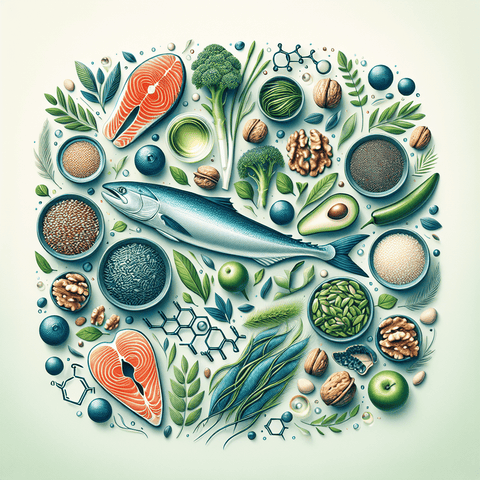
This page is your practical starting point for understanding omega-3 rich nuts. Here, we’ll explore what makes certain nuts a valuable source of plant-based omega-3s, how they compare to other sources, and simple ways to include them in your daily routine. Whether you're looking for snack ideas, recipe inspiration, or a better understanding of the nutritional landscape, this hub provides the foundational information you need.
What Are Omega-3 Rich Nuts?
Omega-3 fatty acids are a family of polyunsaturated fats that play a role in various bodily functions. The three main types are ALA (alpha-linolenic acid), EPA (eicosapentaenoic acid), and DHA (docosahexaenoic acid). While EPA and DHA are primarily found in marine sources like fish and algae, ALA is the primary omega-3 found in plant foods, including certain nuts and seeds.
When we talk about omega-3 rich nuts, we are referring to varieties that provide a meaningful amount of ALA. Walnuts are often highlighted as a standout choice, but other nuts also contribute to your daily intake. It's about understanding the relative ALA content and building a diet that includes a variety of these beneficial plant foods.
Why Are Omega-3 Rich Nuts Important in Your Diet?
For many people, especially those following a vegetarian or vegan diet, nuts are a readily accessible source of essential fatty acids. ALA from nuts contributes to the overall intake of omega-3s, which are important for maintaining general health. While the body can convert some ALA into EPA and DHA, the process is not highly efficient, making it important to consume these fats consistently.
Including omega-3 rich nuts in your diet is an easy way to support a healthy eating pattern. They provide more than just fats; they are also a source of protein, fiber, vitamin E, and other minerals. This combination makes them a satisfying and nutritious snack choice that can be easily incorporated into meals and snacks throughout the day.
Key Nuts That Provide Omega-3 ALA
While all nuts have a place in a balanced diet, some stand out for their higher ALA content. Here is a look at the top nuts for omega-3, which you can enjoy as a snack or add to your favorite recipes.
- Walnuts: Widely recognized as the nut with the highest ALA content. A single serving can provide a substantial portion of your daily needs.
- Pecans: These nuts contain a moderate amount of ALA and are a good choice for adding healthy fats and a slightly sweet, rich flavor to dishes.
- Hazelnuts: Another nut that provides a decent amount of ALA, along with a good dose of vitamin E and other beneficial nutrients.
- Pistachios: While not as high in ALA as walnuts, they still contribute to your overall omega-3 intake, alongside their protein and fiber content.
Other nuts like almonds and cashews contain smaller amounts of ALA, but they are still part of a healthy, varied diet. The key takeaway is to include a mix of nuts in your routine, with a focus on walnuts for a higher omega-3 boost.
Comparing Nuts to Seeds and Other Omega-3 Sources
It's helpful to see how nuts compare to other plant-based and marine sources of omega-3. This context helps you make informed dietary choices.
- Nuts (e.g., walnuts): Good source of ALA, also provide protein, fiber, and other micronutrients.
- Seeds (e.g., flax, chia, hemp): Often higher in ALA by weight, making them a very concentrated plant-based source.
- Fish and Algae (e.g., salmon, sardines, algal oil): Provide pre-formed EPA and DHA, the long-chain omega-3s that play a more direct role in certain bodily functions.
- Supplements (e.g., fish oil, flaxseed oil, algae oil): Offer a concentrated and convenient way to increase omega-3 intake, especially for EPA and DHA.
Each source has its own benefits. Nuts are a convenient snack, seeds can be easily added to meals, and marine sources provide the long-chain fatty acids. A varied diet can incorporate all of these for a broad nutritional profile.
Practical Ways to Include Omega-3 Rich Nuts
Incorporating these nuts into your daily life is straightforward. Here are a few ideas on how to enjoy them.
- As a Snack: A handful of walnuts or pecans is a simple, satisfying, and portable snack.
- In Breakfast: Sprinkle chopped nuts over oatmeal, yogurt, or smoothie bowls for added texture and nutrition.
- In Salads: Toasted pecans or walnuts add a delicious crunch and a depth of flavor to green salads.
- In Baking: Use chopped walnuts or hazelnuts in muffins, breads, and other baked goods for a nutritional boost.
A general serving size for nuts is about 30 grams or a small handful. Remember that nuts are calorie-dense, so portion control is a practical consideration for weight management.
Omega-3 Supplements and Other Sources
Beyond whole foods, you may also consider omega-3 supplements. These can be derived from various sources, including fish oil, krill oil, and algae, which are rich in EPA and DHA. There are also plant-based supplements made from flaxseed oil, which provide ALA.
When choosing a supplement, it is important to consider the source and the specific type of omega-3 it provides. For those who do not consume fish, an DHA and EPA omega-3 supplement like algae-based options can be a direct source of long-chain omega-3s.
Important Considerations and Common Questions
When it comes to omega-3s, it's common to have questions about optimal intake and sources. Here is some balanced context.
Are Nuts the Same as Eating Fish?
No, they are not the same. Nuts provide ALA, while fish provides EPA and DHA. While both are omega-3s, the body must convert ALA to EPA and DHA, a process that is not very efficient. This is why dietary guidelines often recommend eating oily fish or, for those who don't, considering a direct EPA/DHA supplement from a source like algae.
What About Fortified Foods and Other Products?
You might see the 'omega-3 rich' label on various products, including some nut blends or snacks. This indicates that the product contains a meaningful amount of a plant-based omega-3 like ALA. It's always wise to read the nutrition label to understand the specific amount and type of omega-3 being provided.
The Bottom Line on Omega-3 Rich Nuts
Omega-3 rich nuts are a versatile and healthful addition to a balanced diet. They provide a plant-based source of ALA and come with the added benefits of fiber, protein, and other essential nutrients. This guide is a broad overview of the topic, and for more in-depth information on specific nuts or health questions, we encourage you to explore the related articles linked on this page.